How to Unfold a Metal Futon
Your new metal futon sits in the living room, but the stiff frame refuses to lie flat or lock safely into bed mode. You might be pulling the wrong section or missing the critical clicks that signal a secure lock. Many owners struggle with this transition because the mechanism requires a specific rhythm rather than brute force.
This guide teaches you exactly how to unfold a metal futon using the proven pull, lift, lock, and tuck sequence. You will learn to identify the backload mechanism, hear the distinct locking cues, and avoid common mistakes that damage the frame. Follow these steps to convert your sofa into a stable bed in under a minute.
Prepare the Space Safely Before Conversion

Clearing the area is the most critical safety step before touching the frame. The mechanism requires the unit to tilt backward and extend forward without hitting walls or furniture.
Clear Floor and Wall Zones
Move all decor, lamps, and rugs at least two feet away from the front and back of the unit. Since the frame pivots on its rear legs during conversion, even small objects can block the motion. Ensure the wall behind the furniture is free of shelves or hangings that could get struck when you push the frame back.
Check for Obstructions Under Frame
Lift the seat cushion slightly to inspect the area beneath the rails. Dust bunnies, toys, or loose items trapped under the frame can jam the sliding mechanism. Clean out any debris and verify that all legs rest on a flat, level surface to prevent wobbling.
Identify Key Frame Components for Safe Operation
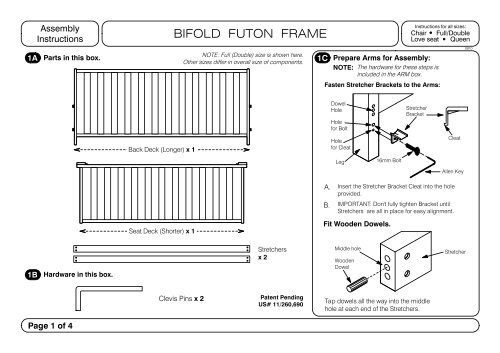
Understanding the anatomy of your furniture makes the unfolding process intuitive and safe. Most metal frames share identical core components regardless of the brand.
Locate the Seat Section and Support Rail
The seat section is the front part of the frame where you sit. This serves as your primary handle point during unfolding. Behind it runs the support rail, a horizontal metal bar that guides movement along internal tracks. You will feel resistance as this rail slides, which is normal operation.
Recognize the Backload Mechanism
These frames use a backload mechanism that unfolds by tilting backward and extending toward the wall. This design allows full access from the front for bed setup and secure closure from the back. Never try to pull the backrest forward for bed conversion, as the motion must start at the seat.
Pull Frame Forward to Create Clearance
The first physical action creates the necessary space for the frame to pivot freely. Skipping this step risks damaging your wall or bending the mechanism.
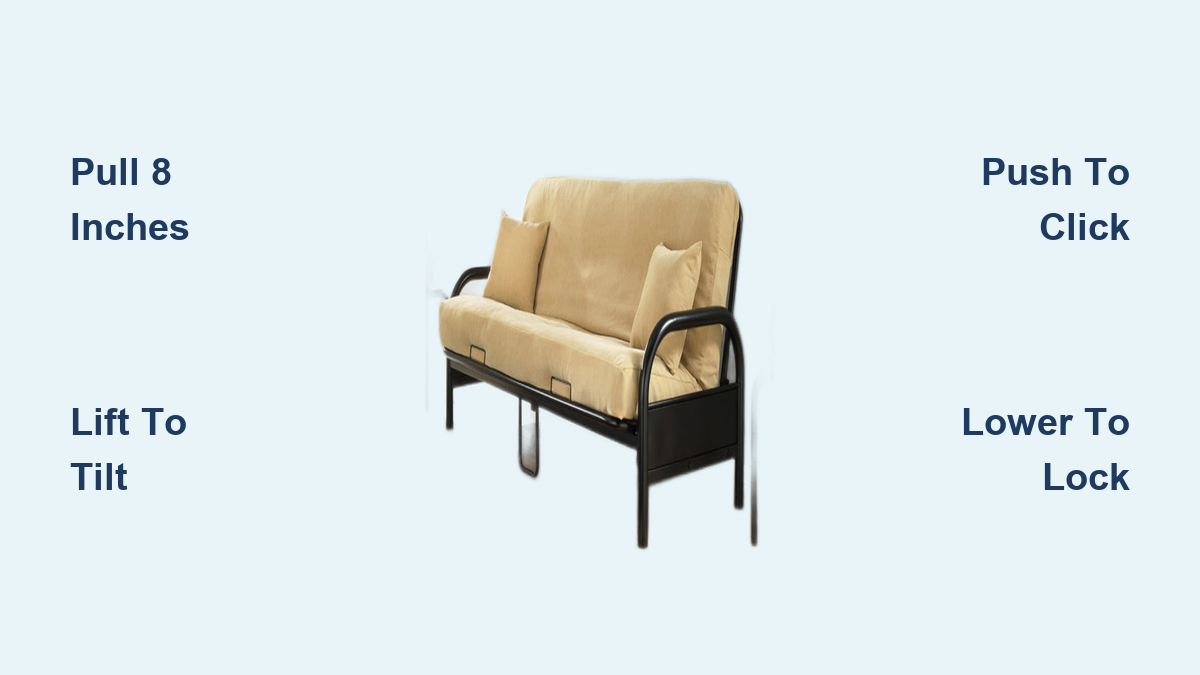
Slide Futon 8 Inches Away from Wall
Grasp both sides of the seat section and gently pull the entire unit forward until it sits about 8 inches from the wall. Use slow, even pressure to move the frame. If it feels heavy, lift one side slightly to pivot it out without dragging the legs.
Pro Tip: Mark this spot on the floor with tape if you convert the futon daily. Consistent positioning ensures smoother operation and prevents floor scratches.
Lift Seat Section to Tilt the Frame
Engage the folding mechanism by lifting the seat to shift the center of gravity. This prepares the internal rails for extension.
Apply Steady Upward Pressure
Place one hand behind the seat section near the center and the other on the side for balance. Lift upward firmly but smoothly to begin tilting the entire frame onto its back. Keep your feet shoulder-width apart for stability as the frame pivots from the front legs.
⚠️ Warning: Never jerk or yank the seat. Sudden force can bend the rails or dislodge the locking pins permanently.
Tilt Until Frame Rests on Back
Continue lifting until the back of the frame touches the floor. At this stage, the mattress will drape over the backrest. Support the mattress with your knee or ask a second person to help prevent strain on the frame structure.
Push Seat Toward Wall to Engage First Lock

With the frame tilted back, you can now extend it into the initial bed position by sliding the seat toward the wall.
Slide Until First Click Is Heard
Push the seat section toward the wall while maintaining light upward pressure. The support rail will glide along internal tracks until you hear a distinct click. This sound confirms the first lock has engaged, securing the frame in a partial bed position.
🔊 Listen Carefully: The click is subtle but critical. If you do not hear it, the lock is not set. Repeat the push motion until the sound confirms engagement.
Lift Again to Release the Sofa Lock
The first click only starts the transition. A second lift disengages the sofa lock to allow full extension into a flat bed.
Perform Second Controlled Lift
With the frame still angled, lift the seat section upward again using the same steady motion. This action releases the upright lock internally. Listen for a second distinct click as you lift, which indicates the frame has cleared the sofa position and is ready to flatten.
✅ Success Cue: When you hear the second click, the frame should feel looser and more mobile. This means it is transitioning correctly toward the bed position.
Lower Frame to Floor for Full Bed Mode
Complete the transformation by flattening the futon into the final sleeping position.
Guide Frame Down Smoothly
After the second click, gently lower the seat section toward the floor. Let the frame settle under its own weight if possible. Avoid dropping it, as this can misalign joints or damage the legs.
Confirm Flat and Stable Position
Once fully down, verify that the frame lies completely flat with all legs touching the floor. Check that no gaps exist between frame sections and the mattress sits evenly across the slats. If the frame wobbles, lift and re-lower it to ensure full contact.
Place and Tuck Mattress Properly
A well-positioned mattress ensures comfort and protects the frame during future folds.
Flip Mattress Onto Frame
If you removed the mattress, place it on the metal slats with the sleeping side up. Align it flush with the edges to prevent sagging during use.
Tuck Excess Fabric at Front
Pull the front edge of the mattress cover tight and tuck any loose fabric beneath the seat section. This prevents bunching during conversion and keeps the sofa looking neat when folded back.
💡 Pro Tip: Use non-slip pads between the mattress and frame to prevent sliding during use.
Transition to Lounge Position If Available
Some metal models offer a reclined lounge setting between sofa and bed modes.
Lift from Flat Position Until Click
From the full bed position, grasp the seat section and lift upward slowly. Stop as soon as you hear a single click. This locks the frame at a comfortable recline ideal for reading.
Lower Gently to Floor
After the click, lower the frame carefully until it rests on the floor. The backrest should now be angled. Do not force it if no click occurs, as your model may not support this position.
Return to Upright Sofa Safely
When it is time to fold the unit back, follow a reverse but distinct process to ensure safety.
Tilt Frame Backward First
Start by lifting the seat section to tilt the frame onto its back, just like in bed setup. This disengages the current lock and prepares the frame for the return sequence.
Push Toward Wall for Second Click
Push the seat toward the wall until you hear a second click. This bypasses the lounge lock and engages the upright sofa lock.
Lower Fully to Lock in Place
Lower the frame completely to the floor. The backrest should now stand vertically, forming a standard sofa. Double-check that all legs are grounded and the frame feels solid before sitting.
🛑 Never stop halfway: An unlocked futon can collapse under weight. Always verify the final position is stable.
Troubleshoot Common Unfolding Issues
Even with correct steps, problems can arise with new or infrequently used frames.
Frame Won’t Lock Without Click Sound
If you do not hear the expected click, the lock did not engage. Common causes include insufficient clearance from the wall, debris in the rail mechanism, or not lifting the frame high enough. Reset completely by returning to the flat position, clearing obstructions, and repeating the sequence with controlled force.
Stiff or Jammed Movement
Older units may resist movement due to dust or rust. Wipe down rails and joints with a dry cloth, then apply dry silicone lubricant to moving parts. Perform 5 to 10 slow test folds to loosen the mechanism. Avoid using WD-40 as it attracts dust and can degrade plastic components.
Frame Overshot Upright Position
Pushing too far can misalign the lock and leave the sofa wobbly. Do not force it backward. Instead, lower the frame fully, tilt it back, and restart the upright sequence. Listen for the second click to re-engage the correct lock.
Maintain Smooth Operation Long-Term
A well-maintained frame lasts for decades with simple care habits.
Clean Rails and Joints Monthly
Dust and hair accumulate in sliding tracks, causing friction. Use a vacuum crevice tool or soft brush to remove debris every four weeks.
Check for Loose Bolts or Bent Rails
Inspect connections quarterly and tighten any loose bolts with a wrench. If a rail is bent, stop using the unit and contact the manufacturer immediately.
Rotate Mattress Regularly
To prevent uneven wear on the frame, rotate the mattress 180 degrees every 3 months. This distributes weight evenly across the slats.
Summary of Positions and Locking Cues
| Position | Action Sequence | Auditory Cue |
|---|---|---|
| Bed | Pull forward → Lift → Push to wall (1st click) → Lift again (2nd click) → Lower | Two distinct clicks |
| Lounge | Lift from bed → Stop at single click → Lower | One click |
| Sofa | Tilt back → Push to wall → Wait for second click → Lower fully | Second click confirms upright lock |
The click is your safety signal. No click means not locked. Always listen and never guess.
Frequently Asked Questions About Unfolding Metal Futons
How far should I pull the futon from the wall before unfolding?
You should pull the frame forward approximately 8 inches from the wall. This clearance allows the back of the frame to tilt freely without hitting the wall or causing damage during the transition.
What does it mean if I don’t hear a click?
If you do not hear a distinct click, the locking mechanism has not engaged. The frame is not secure and could collapse. Reset the frame to the start position and repeat the steps with steady pressure until you hear the sound.
Can I convert a metal futon by myself?
Yes, the mechanism is designed for single-person operation. However, supporting the mattress during conversion is recommended to avoid strain on the frame structure and ensure smooth movement.
Why is my futon frame stiff or hard to move?
Stiffness usually results from dust, debris, or lack of use. Clean the rails with a dry cloth and apply dry silicone lubricant to the moving parts. Avoid oil-based lubricants that attract dirt.
How do I know if the futon is locked in sofa mode?
The frame is locked in sofa mode only after you hear the second distinct click while pushing toward the wall and then lowering it fully. Always test stability with gentle pressure before sitting.
Key Takeaways for Unfolding Your Metal Futon
Mastering how to unfold a metal futon relies on the rhythmic sequence of pulling, lifting, locking, and tucking. Always listen for the distinct auditory clicks that confirm the internal locks are engaged before applying weight. Regular maintenance of the rails and proper mattress placement will ensure your frame transitions smoothly for years.
Start by clearing your space and pulling the frame 8 inches from the wall. Follow the step-by-step guide above to safely convert your furniture today. If you encounter resistance, stop and check for obstructions rather than forcing the mechanism.