

How to Check a Futon for Bed Bugs
You just sank into your futon after a tiring day, hoping to unwind. Then you notice a faint itch on your forearm, followed by small red marks in a cluster. Could bed bugs be hiding inside your futon? Knowing how to check a futon for bed bugs helps you catch infestations early, before they spread throughout your home.
Learning this skill becomes essential if you’ve traveled recently, brought home secondhand furniture, or live in an apartment building. These pests are tiny, active at night, and can squeeze into openings thinner than a credit card. This guide walks you through a step-by-step method to inspect your futon, recognize early warning signs, and take action before an infestation grows.
Recognize Visual Signs on Your Futon
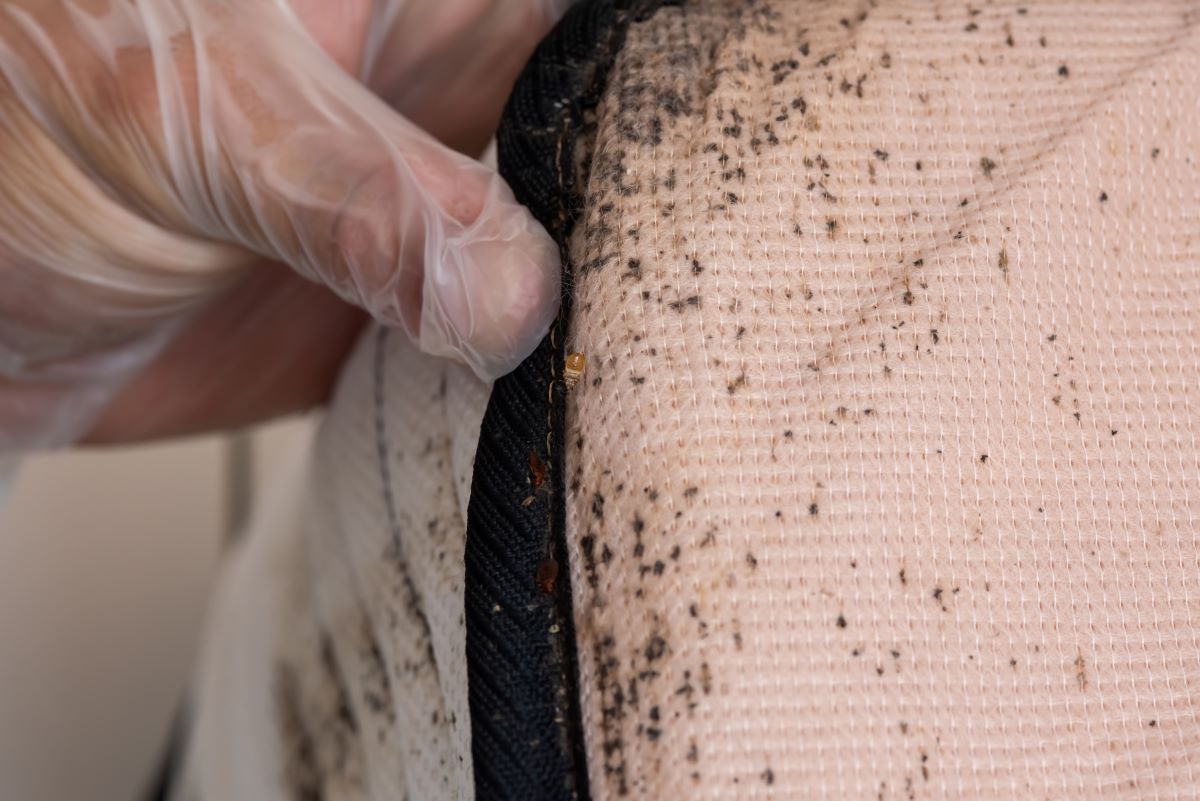
Before disassembling anything, begin with a careful visual scan. Bed bugs leave behind physical evidence, even when the insects themselves stay hidden. Grab a flashlight and magnifying glass to improve visibility in tight seams, folds, and corners.
Identify Live Bed Bugs
Adult bed bugs measure about the size of an apple seed. They appear flat and reddish-brown before feeding, then swell and darken after a meal. Nymphs are smaller, nearly transparent, and harder to detect. Focus your search on these areas:
– Seams and stitching along the mattress and frame
– Pleats and folds in the upholstery
– Underside of cushions or removable covers
– Junction where the futon frame meets the mattress
Bed bugs do not build traditional nests. They cluster near where people sleep or rest. Spotting even one bug usually means others are nearby.
Detect Dark Stains and Spots
One of the clearest indicators of bed bugs is fecal spotting. These tiny dark marks appear after the insects digest blood. They resemble ink dots and often show up in lines or clusters. The stains do not smear easily, unlike dirt or mold. Common locations include:
– Piping along mattress edges
– Inside fabric folds
– Near zippers, buttons, or tufts
– Wooden or metal frame surfaces
Wipe the area gently with a damp white cloth. If the stain remains, it is likely bed bug excrement.
Find Shed Skins and Eggs
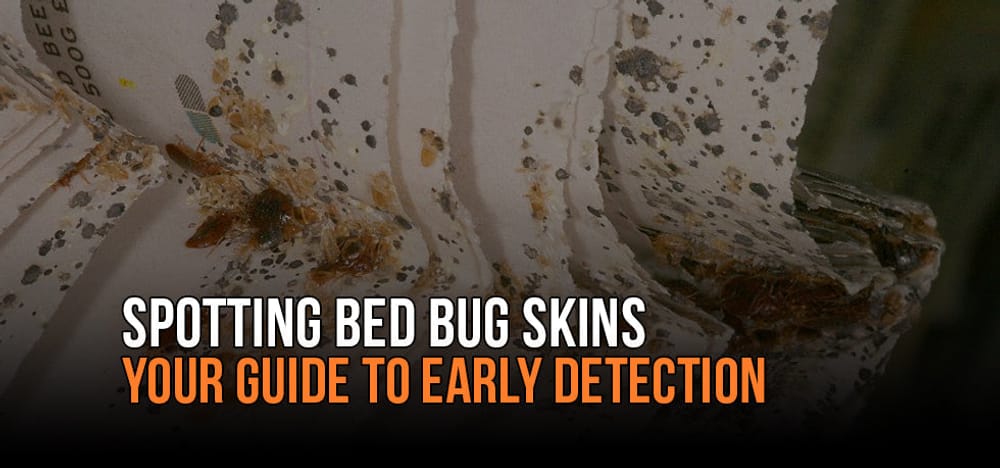
As bed bugs mature, they molt five times before reaching adulthood. These shed exoskeletons look pale yellow and shell-like, keeping the shape of the bug. They often collect in hiding spots.
Eggs measure about 1 mm and appear pearl-white. They stick to fabric fibers or cracks and may resemble dust specks. Unlike dust, they are sticky and difficult to brush away.
Inspect the Futon Frame and Joints

The frame often gets overlooked, yet it provides countless hiding spots. Joints, hinges, and folding parts create dark, narrow spaces that attract bed bugs.
Check Folding Mechanisms
Bed bugs favor the crevices where a futon folds. Shine your flashlight into:
– Hinges and pivot points
– Screw holes and bolt recesses
– Hollow cavities inside the frame
Remove any panels or covers if your design allows. A small mirror helps you view tight angles.
Examine Wooden and Metal Parts
For wooden frames, look closely at:
– Cracks, knots, or splinters
– Glue seams in manufactured wood
– Underside of slats and support bars
Slide a credit card or thin tool gently along joints. If dark debris or shed skins emerge, investigate further.
Remove and Examine Cushions and Covers
Many futons include detachable covers or layered cushions. These pieces can shelter bed bugs and need separate examination.
Take Off All Detachable Fabric
Remove washable covers and turn them inside out. Inspect:
– Seams and hems
– Zippers and Velcro attachments
– Inner linings
Search for live bugs, stains, or shed skins. If the cover is machine-washable, launder it in hot water at 120°F or higher. Dry on high heat for at least 30 minutes to kill bugs and eggs.
Look at Foam and Padding Layers
If your futon has exposed foam:
– Pull back fabric edges carefully
– Look for tiny holes or trails in the foam
– Watch for dark spotting or egg clusters
Avoid ripping the material. Use a flashlight and magnifier to peek into crevices without causing damage.
Use a Systematic Search Pattern

Random inspections often miss critical spots. A consistent approach ensures full coverage across the entire piece.
Break the Futon into Zones
Divide the futon into five sections:
1. Top sleeping surface
2. Side panels and seams
3. Bottom and underside
4. Frame and mechanical components
5. Cushions and covers
Examine each zone completely before moving on. Use tape or notes to mark areas you’ve already checked.
Use Helpful Detection Tools
Improve your search with basic items:
– Flashlight for shadows and hidden corners
– Magnifying glass for tiny bugs or eggs
– Credit card or putty knife for scraping debris
– White paper or cloth placed beneath the area to catch falling bugs or droppings
Skip chemical sprays during inspection. They can scatter bugs or hide evidence.
Avoid Common Inspection Mistakes
Even thorough checks can fail if you misread signs or overlook key areas around the futon.
Don’t Confuse Bed Bugs with Other Pests
Fleas, ticks, and carpet beetles sometimes get mistaken for bed bugs. Here’s how to tell them apart:
– Fleas jump and often live on pets
– Ticks are larger and usually appear after outdoor exposure
– Carpet beetles have wings and eat fabric, not blood
Bed bugs cannot jump or fly. If you spot crawling insects near a sleeping area with no pets present, bed bugs are the more likely culprit.
Don’t Ignore the Surrounding Room
Bed bugs often spread beyond the futon itself. Check nearby:
– Walls and baseboards
– Electrical outlets and switch plates
– Curtains and adjacent furniture
Finding bugs in the futon usually means inspecting the entire room.
Don’t Assume Cleanliness Prevents Problems
Bed bugs are not attracted to dirt. They respond to warmth and carbon dioxide. Even a brand-new or spotless futon can become infested through travel, guests, or secondhand purchases.
Respond Quickly to Signs of Infestation
If you discover signs of bed bugs, act fast to prevent the problem from spreading to other areas.
Isolate the Futon Immediately
Stop using the futon right away. Keep it in a contained area if possible. Avoid relocating it to another room, since this can spread bugs to new locations.
Clean and Treat the Affected Areas
For non-washable components:
– Vacuum thoroughly using a crevice attachment
– Focus on seams, folds, and frame joints
– Empty the vacuum canister into a sealed bag and discard it outdoors
A steam cleaner reaching 130°F or higher can kill bugs and eggs on fabric and seams. Avoid chemical insecticides unless they are specifically labeled for indoor mattress use.
Call a Pest Control Professional
DIY methods may not eliminate every bug or egg. A licensed exterminator can:
– Confirm the infestation
– Apply heat or chemical treatments
– Provide a follow-up monitoring plan
Early professional help improves your chances of complete removal.
Prevent Future Bed Bug Problems

After clearing your futon, take steps to keep it protected long term.
Add a Protective Encasement
Slip a futon encasement over the mattress. Choose one labeled “bed bug proof” with a locking zipper. These covers prevent bugs from entering or escaping, making future inspections simpler.
Inspect After Travel or Guests
Always check your futon after:
– Returning from a trip
– Hosting overnight visitors
– Bringing in secondhand furniture
A quick five-minute inspection can catch problems before they grow.
Use Monitoring Devices
Place bed bug interceptors under the futon legs if it sits on the floor or frame. These cup-shaped traps catch climbing bugs. CO2 traps or monitoring discs also work for early detection.
Frequently Asked Questions About Checking a Futon for Bed Bugs
Can bed bugs live inside a futon mattress?
Yes. Bed bugs can hide within the foam, fabric folds, and seams of a futon mattress. They prefer dark, tight spaces close to where people sleep or rest.
What are the most common signs of bed bugs on a futon?
The clearest signs include live bugs, tiny dark fecal spots, pale yellow shed skins, and pearl-white eggs. These usually appear in seams, folds, or near frame joints.
Should I throw away my futon if I find bed bugs?
Not necessarily. Many infestations can be treated with heat, steam, or professional pest control. Replacing the futon is only recommended when treatment is not possible.
Can I use bug spray on a futon?
Most household bug sprays are not safe for use on mattresses or upholstery. Only use products specifically labeled for indoor mattress application to avoid health risks.
How do I clean a futon cover after finding bed bugs?
Wash the cover in hot water at 120°F or higher, then dry on high heat for at least 30 minutes. This kills both bugs and eggs hiding in the fabric.
How often should I inspect my futon for bed bugs?
Inspect your futon every few months as a routine check. Increase the frequency after travel, hosting guests, or acquiring secondhand furniture.
Key Takeaways for Checking a Futon for Bed Bugs
Learning how to check a futon for bed bugs gives you the power to catch infestations early, when they remain manageable. Focus on seams, folds, frame joints, and removable covers during every inspection. Use a flashlight, magnifier, and white cloth to reveal hidden bugs, eggs, and fecal stains.
Act quickly if you find evidence. Isolate the futon, vacuum and steam-treat the surface, and contact a licensed pest control professional for thorough removal. After treatment, use a bed bug-proof encasement and inspect regularly to prevent future problems.
Make bed bug checks part of your household routine, especially after travel or when new furniture arrives. Vigilance and prompt action remain your best defense against these persistent pests.