
How to Choose a Futon: Quick Guide
You are setting up a small apartment or furnishing a guest room, and you need a solution that works as both a couch and a bed. Learning how to choose a futon requires looking past the price tag to find a piece that offers real comfort and durability. The right choice transforms your space without sacrificing sleep quality or style.
This guide breaks down frame materials, mattress types, and sizing tricks so you can make a confident decision. You will discover how to spot weak joints, select the best foam density, and ensure your new furniture fits your room perfectly. Let us explore exactly what matters when picking a futon for your lifestyle.
Determine Your Primary Use Case

Clarifying your main goal shapes every other decision you make during the shopping process. Different usage patterns demand specific features in both the frame and the mattress.
Daily Seating Versus Occasional Sleeping
If you need a couch substitute for everyday lounging, prioritize cushion thickness and strong back support. High-density foam in the seat and backrest holds its shape longer than cheap fillers. These materials prevent the dreaded sagging that occurs after months of daily use.
For occasional overnight guests, comfort during sleep becomes your top priority. Test the mattress thickness to ensure it is at least 6 inches thick. Check that the surface lies completely flat without gaps when you unfold it.
Full-Time Bed Versus Space-Saving Solution
Some people use a futon as a permanent bed, especially in micro-apartments or studios. Treat this purchase like any mattress buy by focusing on spinal alignment and edge support. Motion isolation is also critical if you share the bed with a partner.
If your goal is maximizing floor space, look for wall-hugger or pivot-arm designs. These mechanisms allow the futon to unfold forward without moving the entire piece away from the wall. This feature makes daily conversions much easier and saves valuable floor area.
Match the Size to Your Available Space
Futons come in standard sofa sizes, but your specific room layout matters just as much as the dimensions. Measuring twice ensures you do not end up with a piece that blocks traffic flow.
Standard Futon Sizes Explained
- Twin (39″ x 75″): Best for tight spaces, kids’ rooms, or single occupants.
- Full (54″ x 75″): Fits most adults comfortably and serves as an ideal guest bed.
- Queen (60″ x 80″): Offers extra width for couples or those who prefer regular use.
Measure your room before buying anything. You should leave at least 2 to 3 feet of clearance in front of the unit for smooth unfolding.
Clear Floor Space for Conversion
Ensure there are no obstacles behind or in front that block the futon movement. Wall-hugger mechanisms reduce needed clearance by letting the backrest pivot forward instead of lifting away from the wall.
Avoid placing rugs or electrical cords where the frame will extend during conversion. Tripping hazards and damaged flooring are common oversights that ruin the experience.
Choose the Right Frame Material

The frame supports everything including your body, cushions, and daily wear. Picking a material built to last prevents frustration and replacement costs later.
Compare Wood Versus Metal Frames
Hardwood Frames (e.g., birch, beech):
* Naturally strong and durable for long-term use.
* Offer a warm, furniture-like appearance that blends with decor.
* Resistant to wobbling when constructed with proper joinery.
* Heavier weight means less shifting during daily use.
Look for kiln-dried wood to prevent warping over time as humidity changes.
Metal Frames (steel or aluminum):
* Often lighter and more affordable than wood options.
* Industrial look that is common in modern lofts and studios.
* Can develop squeaks if the joints loosen over time.
* Prone to rust in humid environments unless specially coated.
High-gauge steel is significantly stronger than thin aluminum tubing.
Check Frame Joints and Mechanism
Inspect connection points carefully before purchasing. Dovetail or mortise-and-tenon joints in wood indicate quality craftsmanship and structural integrity. Avoid frames held together mostly with visible screws or staples.
The hinge mechanism should open and close smoothly with minimal physical effort. Test it in-store if possible to feel the action. A stiff or noisy mechanism will only worsen with age and frequent use.
Evaluate Mattress Type and Comfort
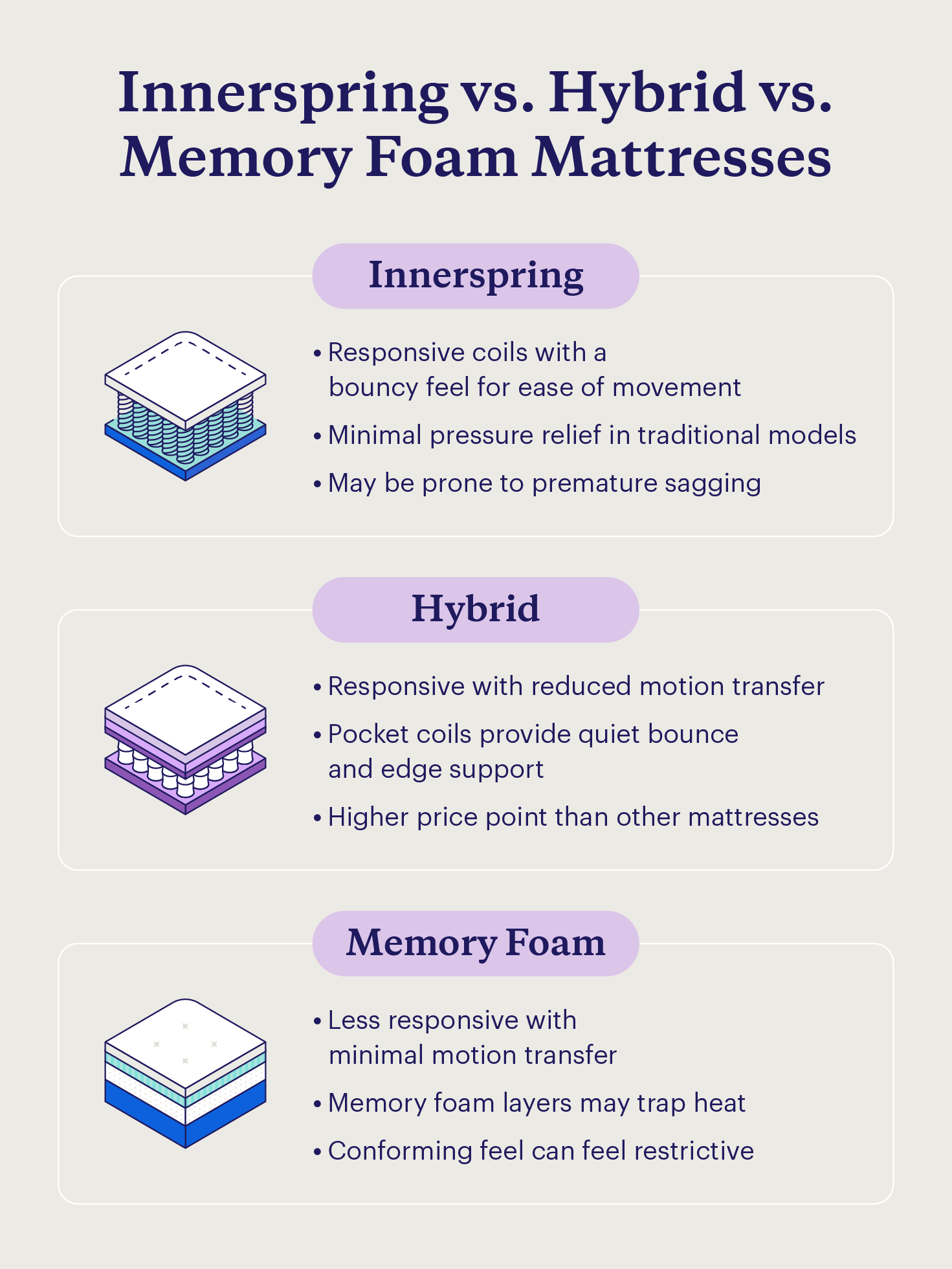
This is where many futons fail because thin, lumpy mattresses feel fine for sitting but torture you while sleeping. Do not compromise on the sleeping surface if you plan to use it regularly.
Foam Versus Innerspring Versus Hybrid
Foam Mattresses:
* Lightweight and affordable for budget-conscious buyers.
* Good for sitting but may lack support for side sleepers.
* Higher density (1.8 lb/ft³ or more) lasts much longer.
* Can retain heat unless specifically ventilated.
Best for occasional sleepers or very small spaces where weight matters.
Innerspring Mattresses:
* Firmer support that is better for back and stomach sleepers.
* More durable for frequent use and heavier individuals.
* Heavier and pricier than basic foam options.
* May develop squeaks if the internal coils are low-quality.
Look for individually wrapped coils to reduce motion transfer between sleepers.
Hybrid Options:
* Combine a foam top layer with an innerspring core.
* Balance comfort and support effectively.
* Often the best long-term investment for your money.
Ideal for full-time use or shared sleeping arrangements where comfort varies.
Test for Firmness and Support
Sit and lie down on display models whenever possible. Pay close attention to whether your hips sink too deeply, which signals poor support. Notice any pressure points on your shoulders or lower back.
A good test is to lie on your side to see if your spine stays neutral. If your spine curves, the mattress will not work for long-term sleep.
Assess Ease of Conversion
You will be folding and unfolding this piece regularly, so ensure it is not a workout. A difficult mechanism discourages use and can lead to injury.
Smooth Folding Mechanisms
Look for dual-action hinges that lift and pivot the backrest simultaneously. Locking mechanisms should secure both sofa and bed positions firmly. Handles or grips make pulling the mattress section easier.
Avoid models that require lifting the entire backrest straight up. These designs strain shoulders and backs over time.
Weight and Portability
Lighter frames under 80 lbs are easier to move during cleaning or rearranging. Do not sacrifice sturdiness for lightness since some ultra-light futons feel flimsy.
If you plan to move often, check if the futon disassembles quickly. Some models ship flat and assemble in under 30 minutes for easy transport.
Match Style to Your Décor
A futon should not look like a dorm room relic. Today designs blend seamlessly into modern homes with various aesthetic options.
Modern, Traditional, or Minimalist Looks
- Mid-century modern: Features tapered wood legs, clean lines, and neutral fabrics.
- Industrial: Utilizes black metal frames, exposed hardware, and leather-look upholstery.
- Scandinavian: Incorporates light wood, soft textiles, and minimalist silhouettes.
Choose a style that complements your existing furniture rather than clashing with it.
Fabric and Color Options
Common upholstery choices include microfiber, cotton blends, and leather. Microfiber is stain-resistant, soft, and budget-friendly. Cotton blends offer a breathable, natural feel but may wrinkle easily. Leather or vegan leather is easy to clean with a sleek appearance but less breathable.
Dark colors and textured fabrics hide wear better than light smooth ones. For families or pets, consider removable, washable covers for easy maintenance.
Set a Realistic Budget
Futons range from $200 to over $1,000 depending on materials and construction. Knowing what you are paying for helps you avoid buyer remorse.
Price Versus Value Breakdown
- Under $300: Basic metal frame with a thin foam mattress suitable for temporary use.
- $300 to $600: Sturdy wood or reinforced metal with a thicker mattress and better fabric.
- $600+: Premium hardwood, hybrid mattress, and designer style built to last years.
Spending more upfront often saves money long-term by avoiding frequent replacements.
Watch for Hidden Costs
Some retailers sell the frame and mattress separately. Confirm exactly what is included in the listed price. Also check delivery fees since bulky items may incur extra charges.
If buying online, look for free return shipping or in-home assembly options. These perks add significant value to your purchase.
Read Reviews and Warranty Info
User feedback reveals real-world performance that specifications cannot show. Ignoring reviews often leads to buying a lemon.
What to Look for in Customer Reviews
Focus on comments about mattress durability after 6 months or more. Look for mentions of frame stability such as wobbling or squeaking. Check feedback regarding ease of assembly and accuracy of color and size.
Ignore isolated complaints but look for patterns in the data. Multiple reports of sagging or broken hinges are major red flags.
Warranty Coverage Matters
A solid warranty includes at least 1 year on the frame structure. Look for 5+ years on the mattress for defects like sagging or coil failure. Clear terms should explain what is covered, such as fabric wear versus structural issues.
Avoid brands that offer no written warranty or require registration within 30 days.
Maintain and Extend Lifespan
Even the best futon wears down without proper care. Simple habits make a big difference in longevity.
Rotate and Flip the Mattress
If your futon mattress is double-sided, flip it every 3 to 6 months. This prevents uneven compression and extends the life of the unit. For one-sided models, rotate head-to-foot regularly to distribute wear evenly.
Clean Upholstery Regularly
Vacuum fabric weekly to remove dust and debris from the fibers. Spot-clean spills immediately with a mild detergent to prevent stains. For leather or vinyl, wipe with a damp cloth and use conditioner occasionally to prevent cracking.
Lubricate Moving Parts
Once a year, apply silicone spray to hinges and pivot points. This keeps the mechanism smooth and reduces metal-on-metal wear. Avoid oil-based lubricants because they attract dirt and can stain fabrics.
Frequently Asked Questions About Choosing a Futon
What thickness should a futon mattress be for sleeping?
Aim for a mattress thickness of at least 6 inches for comfortable sleep. Thinner options work for sitting but often lack the support needed for a good night rest.
Can a futon be used as a primary bed?
Yes, if you choose a high-quality hybrid mattress and a sturdy hardwood frame. Ensure the model offers good spinal alignment and edge support for daily use.
How do I stop my futon from sliding on the floor?
Use non-slip rug pads underneath the legs or attach felt pads with grip technology. Placing the futon against a wall also helps stabilize the frame during conversion.
Is a metal or wood frame better for a futon?
Wood frames generally offer better durability and aesthetics, while metal frames are lighter and cheaper. Choose wood for long-term use and metal for temporary or budget solutions.
How often should I replace my futon mattress?
Replace the mattress every 5 to 7 years depending on usage frequency. If you notice permanent sagging or discomfort, it is time for a replacement regardless of age.
Key Takeaways for Choosing the Right Futon

Selecting the perfect futon involves balancing your space constraints with your comfort needs. Focus on a sturdy frame material like hardwood and a mattress with adequate thickness for sleeping. Prioritize smooth conversion mechanisms and verify warranty coverage before buying.
Take action by measuring your room and testing display models in person if possible. Your ideal futon should serve as a reliable sofa and a comfortable bed for years to come.