How to Clean Sleep Mask: Quick Steps
You rely on your sleep mask to block out light, but forgotten oils and sweat can turn it into a breeding ground for bacteria. Knowing how to clean a sleep mask properly prevents skin breakouts and extends the life of your favorite sleep accessory.
This guide details safe cleaning methods for silk, cotton, and memory foam masks based on real user experiences. You will learn specific steps for hand washing, machine washing, and spot cleaning to ensure your mask stays hygienic and comfortable.
Hand Wash with Mild Soap for Delicate Fabrics

Hand washing remains the safest method for most sleep masks, especially those made from silk or satin. This approach gives you total control over water temperature and pressure to preserve fabric texture.
Use Cold Water and Gentle Swirling Motion
Fill a clean sink with cold water and add a drop of mild liquid soap or baby shampoo. Submerge your mask and swirl it gently for 30 to 60 seconds without scrubbing. Focus your attention on the inner surface where skin oils accumulate most heavily.
Rinse Thoroughly and Dry Flat
Drain the soapy water and refill the sink with fresh cold water to rinse away all suds. Press excess water out gently with your hands, avoiding any wringing or twisting that could damage the shape. Lay the mask flat on a clean towel away from direct sunlight to air dry completely.
Pro Tip: Place a contoured mask over a rounded object like a mug while drying to help it maintain its 3D shape.
Machine Wash Only in a Mesh Bag
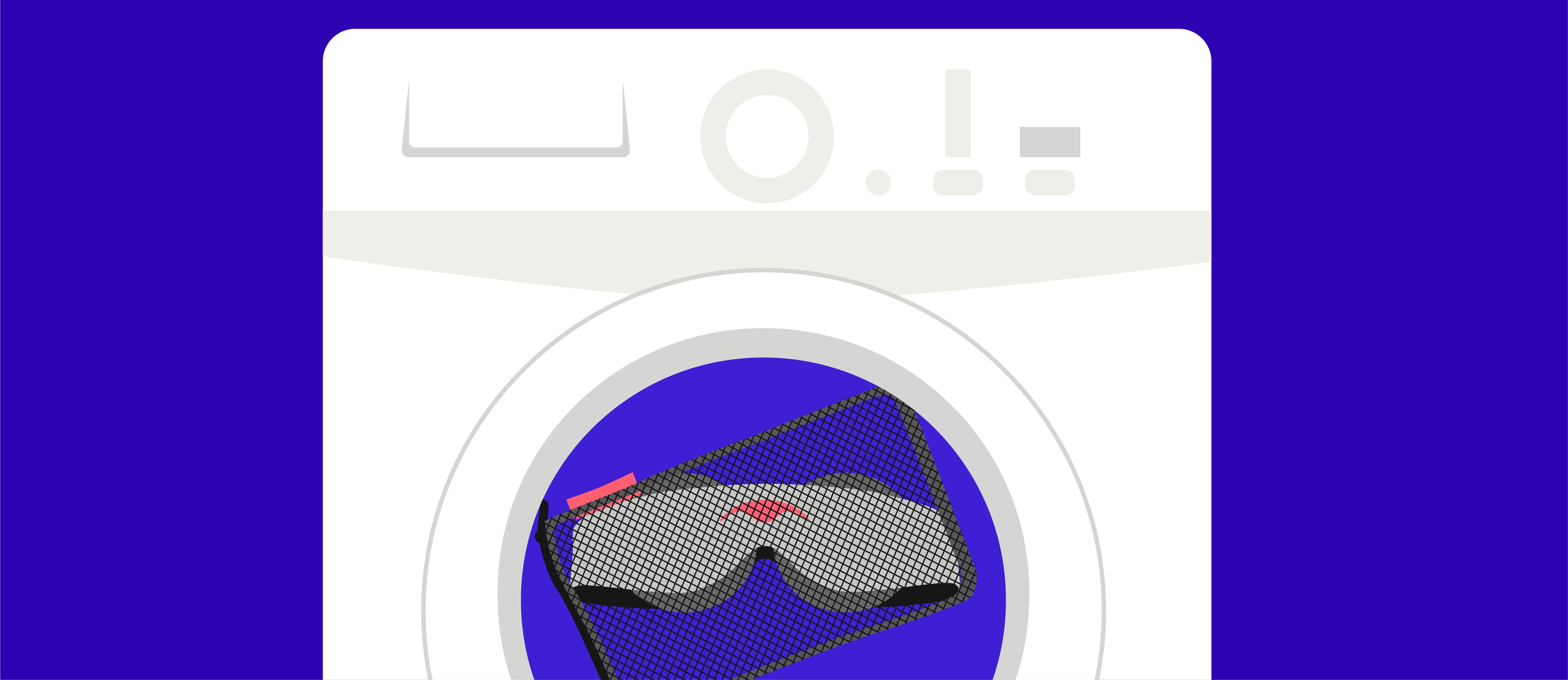
Some durable cotton or polyester masks can survive a machine wash if you follow strict safety protocols. Always verify the care label before attempting this method to avoid ruining your mask.
Use Cold Water and Gentle Cycle Settings
Place your sleep mask inside a mesh laundry bag to protect it from aggressive agitation during the wash. Select the gentle or delicate cycle with cold water and use a mild, fragrance-free detergent. Never add bleach or fabric softener as these chemicals break down fibers and irritate skin.
Avoid High Heat During Drying
Remove the mask from the washer immediately after the cycle ends to prevent mildew growth. Do not put the mask in a dryer because high heat can melt synthetic materials or shrink the fabric. Follow the standard air-drying process by pressing out water and laying it flat.
Warning: Never machine wash memory foam or gel-filled masks since the padding will absorb water and likely develop mold.
Spot Clean Between Deep Washes
Spot cleaning offers a smart solution for masks that cannot be soaked or washed frequently without damage. This method maintains hygiene while protecting the structural integrity of delicate padding.
Use a Damp Cloth and Baby Shampoo
Mix a single drop of baby shampoo with water on a soft, damp cloth. Lightly dab the areas touching your forehead and cheeks, then wipe gently to lift dirt. Use a second clean cloth dampened with plain water to remove any remaining soap residue.
Target Sweat and Oil Buildup Areas
Focus your cleaning efforts after nights involving heavy sweating or extensive skincare routines. These activities leave residues that attract bacteria and cause unpleasant odors over time. Performing this quick clean once a week extends the time between full washes significantly.
User Insight: Long-term users report their masks last over a year with weekly spot cleaning and only occasional full immersions.
Soak with Tea Tree Oil for Hygiene
A short soak with natural disinfectants provides deep cleaning benefits for acne-prone or sensitive skin types. This method leverages the antimicrobial properties of tea tree oil to kill bacteria effectively.
Mix Warm Water and a Drop of Tea Tree Oil
Fill a small bowl with lukewarm water and add exactly one drop of tea tree oil. Submerge the mask for five minutes only to allow the oil to work without damaging the fabric. Longer exposure times can degrade fabric quality and elasticity over time.
Rinse Thoroughly and Air Dry
Rinse the mask under cool running water until no scent of the oil remains on the fabric. Residual tea tree oil can cause skin irritation for some users if not washed away completely. Press out the water gently and air dry the mask flat as usual.
Note: Never apply undiluted essential oils directly to the mask fabric as this can cause staining or damage.
Use Disinfectant Spray for Quick Refresh
Disinfectant sprays offer a convenient no-rinse option for travelers or busy individuals needing a quick refresh. This method kills bacteria and neutralizes odors without requiring water or drying time.
Choose Fabric-Safe Disinfectant Spray
Select a spray specifically labeled safe for textiles and skin contact to ensure safety. Mist the interior surface lightly, focusing on the nose and eye areas where bacteria thrive. Allow the mask to air dry completely before wearing it again.
Ideal for Frequent Daily Use
Many users report spraying their masks after every night’s use to maintain freshness. This routine keeps the mask hygienic while reducing wear and tear caused by frequent washing cycles.
Caution: Avoid sprays containing alcohol or harsh chemicals if you have sensitive skin, and always test on a small area first.
Wash with Face Cleanser for Skin Safety
Using your regular facial cleanser to wash your sleep mask ensures the cleaning product is non-irritating. This clever method maintains a consistent skincare barrier and prevents breakouts around the eyes.
Clean Like You Wash Your Face
Apply a small amount of your daily facial cleanser to damp hands and lather it gently. Massage the foam into the mask fabric, focusing on areas that touch your skin. Rinse well with cool water to remove all traces of the cleanser.
Prevents Breakouts and Irritation
Dirty masks often cause breakouts around the eyes due to transferred oils and bacteria. Using your face wash removes these contaminants without stripping the fabric or leaving harsh residues behind. This method is particularly effective for silk or satin masks.
User Tip: “I wash mine with my face wash to keep it gentle and fresh,” says long-term user @cosmicdreams.
Know Your Mask Material First
The safest cleaning method depends entirely on the material and construction of your specific sleep mask. Identifying your mask type prevents accidental damage during the cleaning process.
Silk and Satin Require Hand Washing
These delicate fabrics demand cold water and mild soap to prevent fraying or shrinking. Never use hot water or machine wash these materials as it causes loss of sheen and texture. Always air dry them flat to maintain their luxurious feel.
Cotton and Polyester May Be Machine Washable
Sturdier fabrics can often handle a gentle machine cycle if the care label explicitly states it is safe. Use a mesh bag and cold water to minimize stress on the fibers during the wash. Hand washing remains the safer choice for long-term care regardless of material.
Memory Foam and Gel Need Spot Cleaning
Inserts made of memory foam or gel cannot get wet under any circumstances. Submerging them leads to water retention, mold growth, and permanent odor issues. Clean only the outer fabric layer with a damp cloth and mild soap solution.
Visual Cue: If your mask feels heavier after washing or takes more than 24 hours to dry, the padding is retaining water and needs a different cleaning approach.
How Often Should You Clean It?
Cleaning frequency balances hygiene needs with material preservation to keep your mask in top condition. Washing too little allows bacteria buildup while washing too often wears out the fabric.
Weekly for Regular Nightly Use
Wearers who use their mask every night should wash it once a week consistently. This schedule prevents oil and sweat accumulation while preserving the material integrity. Perform spot cleaning midweek if you notice visible dirt or odors.
After Illness or Heavy Sweating
Wash your mask immediately after recovering from an illness or experiencing intense night sweats. Viruses and bacteria linger on fabric surfaces and can reinfect you if not removed. Use a disinfecting method like a tea tree soak for extra protection during these times.
Before First Use Is Essential
Always wash a new sleep mask before wearing it for the first time. Manufacturing residues or dust from packaging can irritate sensitive skin around the eyes. A quick wash ensures your new mask is ready for safe, comfortable use.
Pro Tip: Keep two masks in rotation so one can dry while you wear the other, ensuring you never skip cleaning.
Frequently Asked Questions About Cleaning Sleep Masks
Can I put my sleep mask in the washing machine?
Only machine wash if the care label explicitly states it is safe for your specific mask material. Place the mask in a mesh bag, use cold water on a gentle cycle, and never use heat to dry it.
How do I clean a memory foam sleep mask?
Memory foam masks must only be spot cleaned with a damp cloth and mild soap since soaking ruins the foam. Never submerge memory foam or gel inserts in water as they will retain moisture and grow mold.
How often should I wash my sleep mask?
You should wash your sleep mask once a week if you use it every night to prevent bacteria buildup. Spot clean midweek or after heavy sweating, and always wash a new mask before first use.
What is the best way to disinfect a sleep mask?
Soaking the mask for five minutes in water with one drop of tea tree oil offers effective natural disinfection. Alternatively, use a fabric-safe disinfectant spray for a quick, no-rinse option between washes.
Can I use regular laundry detergent on my sleep mask?
It is better to use mild liquid soap, baby shampoo, or facial cleanser to avoid skin irritation. Harsh detergents and fabric softeners can break down fibers and leave residues that hurt sensitive skin.
Key Takeaways for Cleaning Your Sleep Mask

Properly cleaning your sleep mask protects your skin health and extends the life of the product significantly. Always match your cleaning method to the material, using hand washing for delicate fabrics and spot cleaning for foam. Consistent weekly cleaning routines prevent bacteria buildup and ensure restful, hygienic sleep every night.