How to Choose a Futon Mattress: Quick Guide
Selecting the right sleeping surface for your convertible sofa often feels confusing due to the many sizes and materials available. A poor choice can lead to back pain or a couch that is uncomfortable for daily sitting.
This guide helps you match your specific needs with the perfect mattress type. You will learn how to measure your frame and select firmness based on your sleep style.
Measure Your Futon Frame Accurately
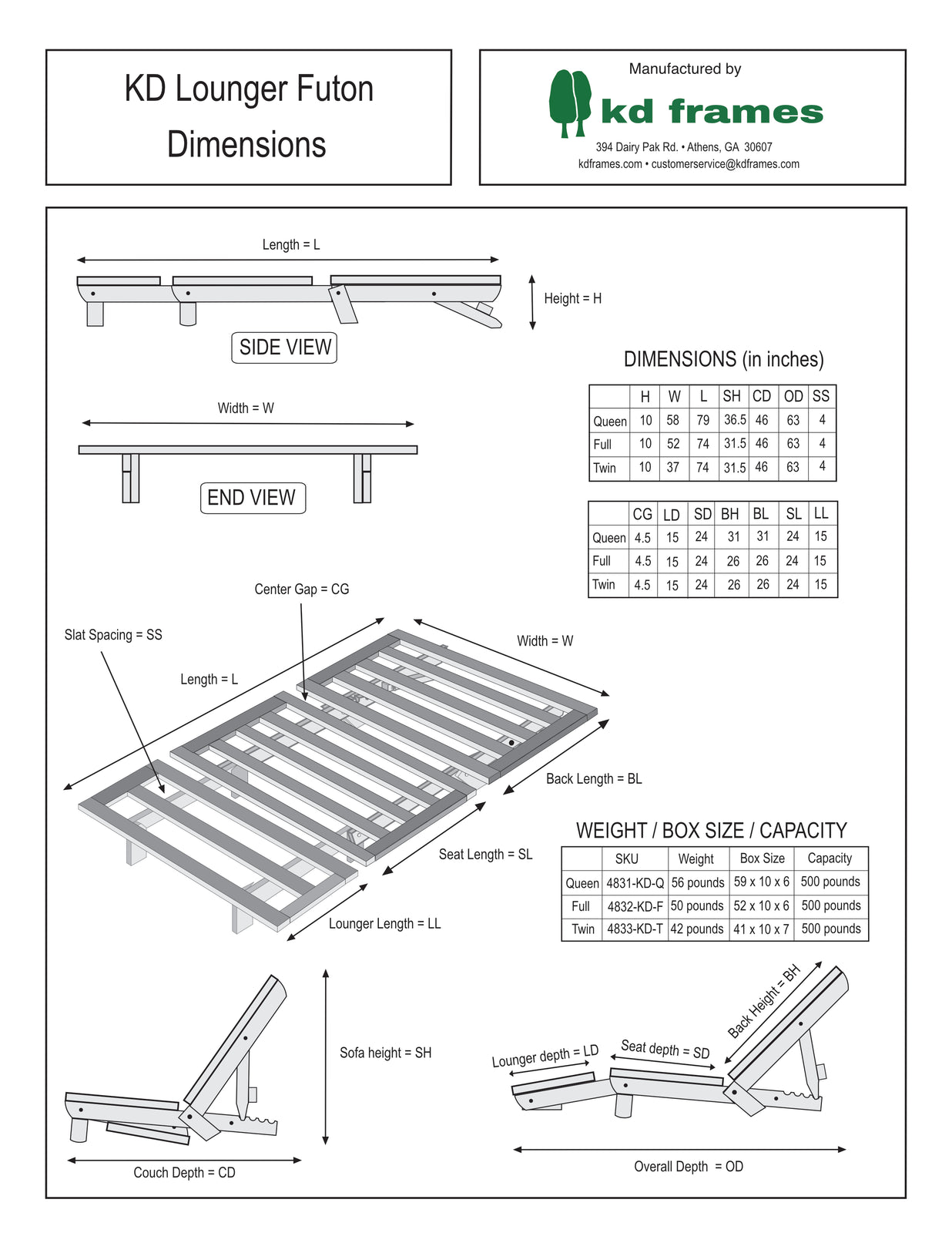
You must confirm the exact dimensions of your frame before shopping for a new mattress. An ill-fitting mattress will not fold correctly and may damage your frame over time.
Check Standard Size Charts
Use these common measurements to identify your required size quickly. Most frames adhere to these industry standards.
* Chair: 28″ x 54″
* Twin: 39″ x 75″
* Loveseat: 54″ x 54″
* Full: 54″ x 75″
* Queen: 60″ x 80″
Ottoman sizes like 28″ x 21″ are strictly for footrests and do not support sleeping.
Measure Your Existing Mattress
If you are replacing an old unit lay it flat on the floor to measure length and width. Do not assume your current mattress is a standard size since older models vary. Custom frames require precise measurements to ensure a proper fit.
Define Your Primary Usage Needs
Your daily usage pattern dictates the ideal mattress type for your home. The best choice changes based on whether you use it as a sofa or a bed.
Prioritize Sitting for Sofa Use
Choose a firmer mattress if your futon stays in the upright position most of the day. Soft beds feel great for sleeping but become uncomfortable when sitting for long periods.
Balance Cost for Guest Sleeping
Select a mid-range option if you only need the bed for occasional visitors. You do not need luxury cushioning for weekly use but should avoid ultra-thin models.
Maximize Comfort for Daily Sleeping
Treat the mattress like a regular bed if you sleep on it every night. Invest in thicker models with high-density support to prevent sagging and ensure restful sleep.
Match Firmness to Your Sleep Style

Firmness levels directly impact your spinal alignment and overall comfort while resting. Your preferred sleeping position determines the support level you need.
Side Sleeper Requirements
Side sleepers need soft to medium support to cushion hips and shoulders properly. This prevents pressure points from forming during the night.
Stomach Sleeper Needs
Stomach sleepers should choose firm mattresses to keep their spine aligned. Soft surfaces cause the hips to sink and create back strain.
Back Sleeper Preferences
Back sleepers generally prefer medium support for a balance of comfort. This level works well for both sitting upright and lying down.
Consider Your Body Weight and Build
Your physical weight changes how a mattress feels under your body. A specific firmness level feels different to a lightweight person versus a heavier individual.
Options for Lighter Individuals
People under 150 pounds often find medium or soft options provide adequate support. Heavy firmness may feel too rigid for lighter frames.
Support for Average Weight
Individuals between 150 and 230 pounds should stick with medium-firm support. This provides a balanced feel that accommodates most body types.
Heavy Duty Support Needs
Those over 230 pounds need firm extra-thick or spring-core mattresses. These prevent the feeling of bottoming out and offer necessary stability.
Select the Correct Mattress Thickness
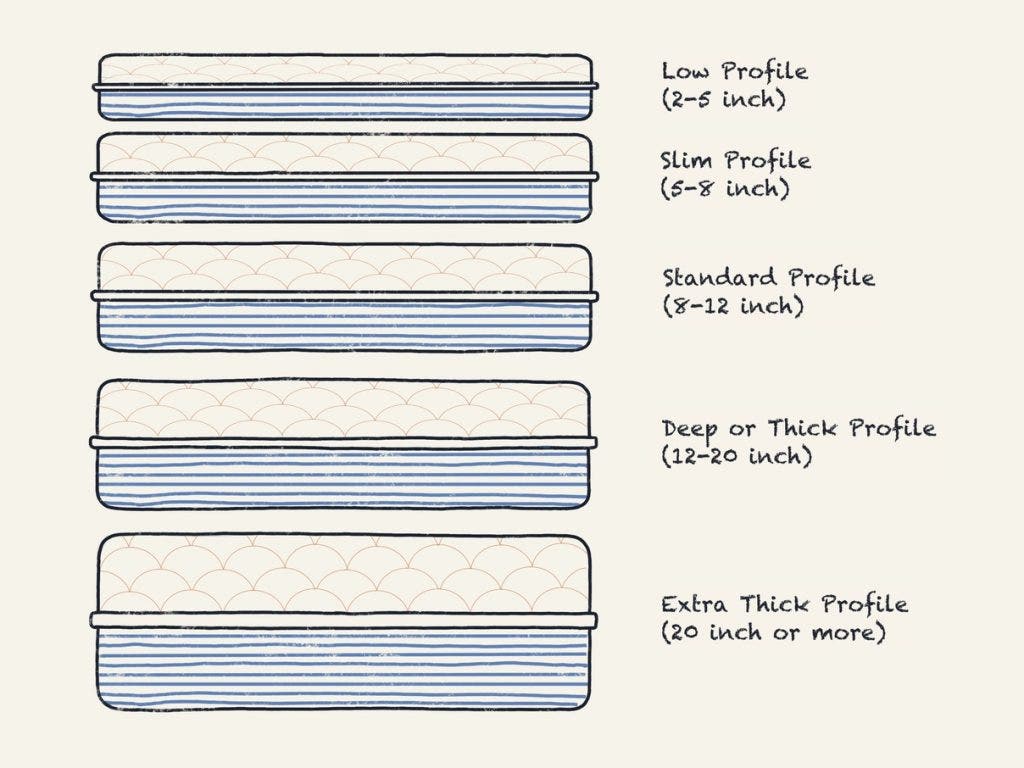
Thickness influences comfort durability and how easily your futon converts between modes.
Benefits of Eight Inch Mattresses
An eight-inch or thicker mattress delivers superior comfort and longevity for regular use. These mimic the feel of a traditional bed and offer better support layers.
When to Choose Six Inches
Thin mattresses around six inches suit budget constraints or space-saving needs. They are lighter and easier to fold for tri-fold frames or small studios.
Avoid anything under five inches unless it is strictly for short-term guest use.
Review Materials for Allergy Sufferers
Material choice is crucial if you have sensitivities to dust mites or chemicals. Some components naturally resist allergens better than others.
Hypoallergenic Component Options
Look for organic cotton covers and natural latex which resist mold and mites. Certified foams free from harmful VOCs are also safe choices.
Maintenance and Cleaning Features
A removable washable cover helps reduce allergen buildup over time. This feature makes maintenance easier and keeps your sleeping surface clean.
Compare Core Support Materials
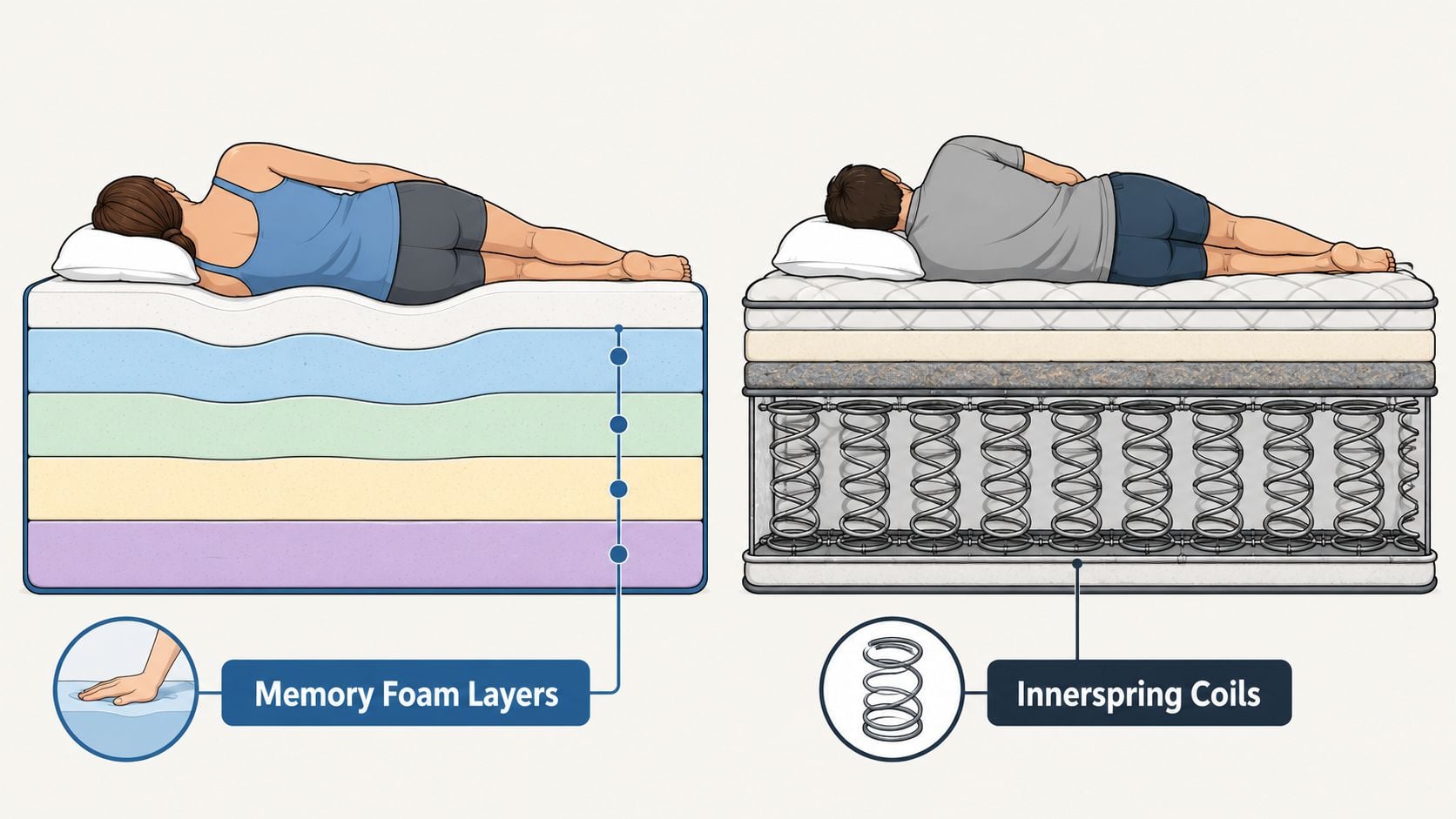
The internal structure defines how the mattress feels and how long it lasts.
Innerspring Core Benefits
Coil-based mattresses offer firm bouncy support ideal for heavy users. They resist sagging longer than foam and provide excellent airflow.
High-Density Foam Advantages
Foam cores provide even quiet comfort and isolate motion well. Avoid low-density foam as it flattens quickly with regular use.
Latex and Hybrid Options
Natural latex offers a resilient eco-friendly option with great durability. Hybrid models combine coils and foam for balanced support and pressure relief.
Evaluate Mattress Weight Factors

Heavier mattresses are harder to move and convert if you change modes daily.
Lightweight Handling Ease
Foam models under 40 pounds are easiest to lift and flip. These are great for seniors or anyone with limited physical strength.
Heavy Duty Support Trade-offs
Innerspring and hybrid models often weigh 50 to 80 pounds. They offer superior support but require more effort to handle during conversion.
Set a Realistic Budget Range
Price varies widely from basic foam options to premium hybrid designs. Knowing your limit helps narrow down choices quickly.
Entry-Level Price Points
Budget options between $150 and $300 typically feature thinner foam layers. These suit occasional use or tight financial constraints.
Mid-Range Value Options
The $300 to $500 range offers better materials and increased thickness. This is the sweet spot for regular use and improved durability.
Premium Investment Choices
Models over $500 feature luxury builds like natural latex or advanced hybrids. These are built to last many years for full-time sleepers.
Avoid Common Buying Mistakes
Shoppers often overlook critical details that lead to buyer’s remorse later.
Quality Over Thickness Myths
Do not assume thicker always means better since low-density foam sags quickly. Focus on material quality rather than just the inch count.
Return Policy Verification
Many online retailers do not allow returns after unboxing the product. Always confirm the trial period and restocking fees before purchasing.
Frame Compatibility Checks
Thick or heavy mattresses may not fold smoothly on older lightweight frames. Check manufacturer specs to ensure your frame can handle the new mattress.
Frequently Asked Questions About Futon Mattresses
What thickness is best for sleeping every night?
You should choose an eight-inch or thicker mattress for nightly use. Thinner models lack the support needed for long-term spinal health and comfort.
Can I use a regular mattress on a futon frame?
No regular mattresses are too heavy and rigid for folding frames. You must use a mattress specifically designed to flex with the futon mechanism.
How long does a futon mattress last?
A high-quality futon mattress typically lasts between 5 to 10 years with proper care. Cheaper foam models may need replacement sooner due to sagging.
Is a firm or soft futon better for back pain?
Medium-firm support is generally best for back pain as it balances cushioning and stability. Stomach sleepers need firm support while side sleepers need softer surfaces.
Key Takeaways for Choosing Your Futon Mattress

Selecting the right product requires matching your body type and usage habits to specific features. Focus on thickness firmness and material quality to ensure long-term comfort.
Start by measuring your frame and identifying your primary need whether it is sitting or sleeping. This simple step ensures you find a solution that fits your lifestyle perfectly.