How to Fix a Futon Not Locking
You settle onto your futon for a relaxing evening, only to have it collapse flat the moment you shift. A futon not locking turns versatile furniture into a frustrating problem. This common issue affects both daily-use sofa beds and occasional guest futons alike. The good news: most locking failures come from simple, fixable causes you can address yourself.
This guide walks you through every step to diagnose and repair a futon not locking properly. You’ll learn how to check alignment, inspect the mechanism, tighten hardware, and replace worn parts. We’ll also cover preventive maintenance so your futon stays reliable for years.
Why a Futon Not Locking Happens Most Often: Frame Misalignment

Frame misalignment ranks as the top reason a futon not locking problem appears. When frame components sit out of position, the locking mechanism cannot engage correctly.
Spot Misalignment Through Visual Inspection
Open and close your futon slowly while watching the base and backrest movement. Look for binding, tilting, or uneven motion during the transition. The backrest should pivot smoothly and line up exactly with the locking bracket on the base. If one side lags or shifts sideways, you need to realign the frame.
Realign the Frame Step by Step
Lay the futon flat and remove the mattress to access the frame. Check that all legs sit evenly on the floor without wobbling. Tighten every bolt and screw you can find, then manually shift the backrest into perfect alignment with the base. Reattach any loose brackets and test the lock again. Even a small misalignment can prevent a futon not locking from resolving.
Inspect the Locking Mechanism for Damage
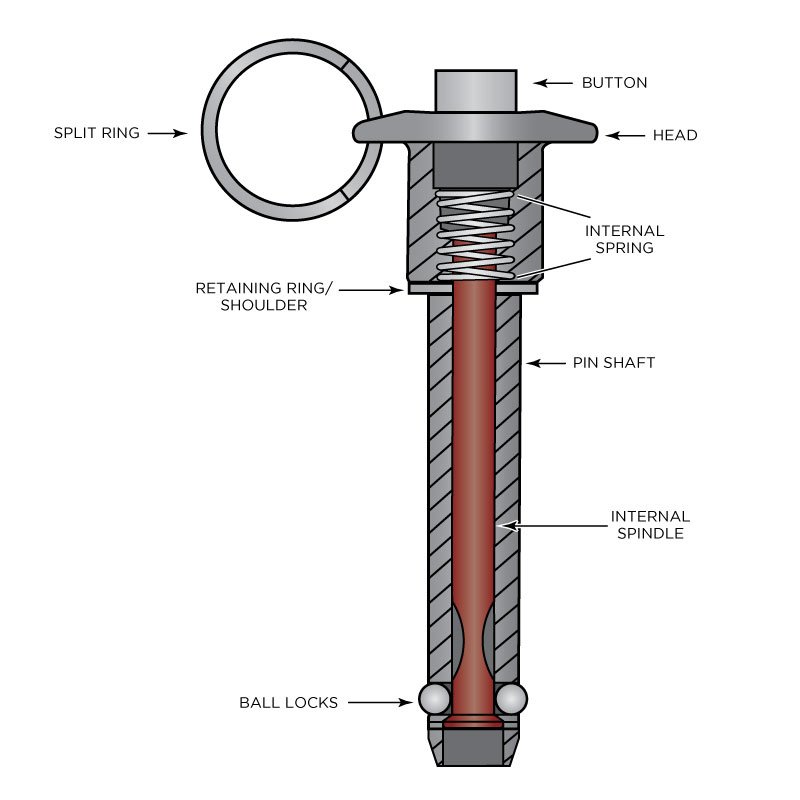
The lock itself is the heart of your futon’s stability. A damaged, bent, or obstructed lock cannot catch, regardless of how well the frame aligns.
Identify Your Lock Type
Most futons use one of two main locking systems:
• A pin lock (a metal rod that drops into a bracket)
• A hook-and-catch system (a curved metal piece that latches over a bar)
Locate your type by folding the futon into sofa mode and examining the joint where the back meets the base.
Check for Visible Damage and Blockages
Inspect the lock for bent pins, cracked welds, or broken springs. Look for debris like fabric, dust, or loose screws blocking movement. Clean the area with a dry cloth and remove any foreign objects you find.
Test Locking Action and Spring Tension
Sometimes a futon looks fine on the surface but fails because of weak tension or worn internal parts.
Manually Engage the Lock
With the futon flat, try pushing the lock into place by hand. If it clicks or slides in easily, the problem may lie with the release cable or spring. If it resists movement, check for warping or misshapen metal components.
Evaluate Spring Performance
Many futons rely on a spring to snap the lock into place automatically. If the spring is loose, rusted, or detached, the lock will not engage on its own. Reattach or replace the spring as needed. Quick test: lift the backrest halfway and see if the lock springs up. If it does not, tension is insufficient.
Tighten Every Bolt and Screw
Loose hardware silently causes many locking issues. Constant folding and unfolding gradually loosens connections, throwing off alignment and mechanism function.
Find All Fasteners
Focus your search on the hinge area, locking bracket, and leg joints. Use a flashlight to spot hidden fasteners in tight spaces. Count them and note any missing pieces.
Tighten with the Right Tools
Use a wrench or socket set for nuts and bolts, and a screwdriver for screws. Tighten each fastener securely without over-torquing, which can strip threads or crack metal. Retest the lock after tightening to confirm the issue is resolved.
Lubricate Moving Parts for Smooth Operation
Metal-on-metal friction can stiffen the lock or stop it from engaging fully. Proper lubrication restores motion and helps the mechanism work as designed.
Choose the Right Lubricant
Use a silicone-based or graphite lubricant on pivot points, the lock pin, and the spring. Avoid oil-based sprays that attract dust and grime. Spray lightly and work the futon open and closed several times to distribute the product.
Wipe Away Excess Lubricant
Too much lubricant can drip onto fabric or collect dirt over time. Wipe off excess with a clean cloth after application. Wait 5 to 10 minutes, then test the lock to confirm smooth action.
Replace Worn Lock Components When Needed

If adjustments and lubrication do not solve the problem, the lock itself may be worn out. Replacement parts are affordable and straightforward to install.
Order the Correct Replacement
Take clear photos of your current lock and note the futon brand and model. Search online for “futon lock replacement [model]” or visit hardware stores carrying furniture repair kits. Match the size and style exactly to ensure compatibility.
Install the New Lock
Remove the old lock with a wrench or screwdriver. Attach the new one using the included hardware, and ensure it aligns with the catch point before fully tightening. Test the lock immediately in both open and closed positions.
Prevent Future Locking Problems
Once repaired, keep your futon locking reliably with simple maintenance habits that prevent repeat issues.
Schedule Monthly Inspections
Once a month, check bolt tightness, spring tension, and lock movement. Catching small issues early prevents them from becoming major repairs.
Fold Gently and Fully Every Time
Always unfold or fold your futon in one smooth motion to the end of its range. Partial folds stress the mechanism and gradually misalign parts over time.
Distribute Weight Evenly
Avoid sitting on the backrest unless it is fully locked in place. Uneven pressure can bend the frame or dislodge the lock from its proper position.
Know When to Replace the Entire Frame
Some futon frames deteriorate beyond practical repair. If the metal is cracked, welds are broken, or the hinge is warped, no amount of tightening or part replacement will solve the problem.
Recognize Irreparable Damage
Look for deep rust, bent main rails, or a backrest that sags despite adjustments. If the frame makes creaking or popping sounds during use, it is fatigued and unsafe. These signs indicate you need a full replacement.
Choose a Sturdier Replacement Frame
Consider upgrading to a heavy-duty steel frame for better durability and locking strength. These cost more upfront but last significantly longer. Make sure the new frame matches your existing mattress size for a proper fit.
Frequently Asked Questions About Futon Not Locking
Why does my futon not lock in the upright position?
A futon not locking upright usually points to frame misalignment or a worn locking pin. Check that the backrest lines up perfectly with the base bracket before assuming the lock itself is broken. Tightening loose bolts often resolves this issue quickly.
Can I fix a futon lock without replacing parts?
Yes, many locking problems resolve through alignment adjustments, tightening hardware, and lubrication alone. Replacement parts only become necessary when the lock is visibly damaged, bent, or has a broken spring.
How long does it take to repair a futon not locking?
Most basic repairs take under 30 minutes from start to finish. Simple tasks like tightening bolts or applying lubricant can take just 5 to 10 minutes. Part replacement may take 20 to 30 minutes depending on the futon design.
What tools do I need to fix a futon not locking?
You typically need a wrench or socket set, a screwdriver, a flashlight, and lubricant. Having a clean cloth and replacement parts on hand helps too. Most households already own these basic tools.
How do I know if my futon frame needs full replacement?
Replace the frame if you see deep rust, cracked welds, bent main rails, or persistent sagging. Loud creaking or popping sounds during use also signal structural fatigue. When repairs no longer hold, replacement becomes the safest option.
Is it safe to use a futon that won’t lock?
Using a futon not locking properly can be unsafe, especially if it collapses suddenly while you sit or sleep. The unpredictable movement risks injury and puts extra stress on the frame. Repair the lock before regular use to stay safe.
Key Takeaways for Fixing a Futon Not Locking
A futon not locking almost always has a simple cause you can address yourself. Start by checking frame alignment and tightening all hardware, since these fixes resolve most issues. If the problem persists, inspect the locking mechanism for damage and apply proper lubrication to restore smooth movement.
For worn or broken components, replacement parts are affordable and easy to install with basic tools. Regular monthly inspections and gentle folding habits prevent future locking failures. If your frame shows signs of major structural damage, investing in a sturdier replacement ensures long-term reliability and safety.