
How to Fix a Broken Metal Futon Frame
A broken metal futon frame often leaves your furniture stuck in bed mode, ruining its function as a couch. This common issue usually involves a bent hinge pin or a dislodged bracket that prevents the frame from locking correctly.
You can restore full functionality by straightening bent pins, replacing damaged parts, and reinforcing weak brackets. This guide details the exact steps to diagnose the problem and execute a durable repair using basic household tools.
Identify the Specific Damage Type
Accurate diagnosis is the first step when you need to fix a broken metal futon frame. Most failures occur at the central hinge mechanism where stress is highest during conversion.
Check for Bent Hinge Pins
Hinge pins are vertical rods connecting the folding sections of your frame. A bent pin prevents the futon from locking into sofa position securely. Look for asymmetry between the left and right sides or a pin that refuses to sit flush in its mounting hole. If you feel resistance while folding, the pin is likely warped.
Inspect Mounting Brackets
Brackets secure the hinge pins directly to the frame structure. Damage here often appears as twisted metal, cracked welds, or loose rivets. Use a flashlight to examine both sides of the hinge carefully. Compare the suspected broken side against the working side to spot subtle differences in angle or alignment.
Test Frame Alignment
Place the futon in the flat bed position to observe how the two halves line up. Visible gaps, tilting, or binding during movement indicate serious misalignment. This issue often follows pin or bracket damage and must be corrected before you attempt final reassembly of the mechanism.
Straighten a Bent Hinge Pin
If the pin is bent but still intact, realigning it restores function without the need for replacement parts. This method saves time and money compared to buying new components.
Use Channel Locks for Leverage
Grab the bent section of the pin with channel lock pliers or vise grips. Clamp down firmly near the base of the bend to gain maximum control over the metal. Apply slow, steady pressure in the opposite direction of the bend to gradually straighten the rod. Work in small increments and check alignment after each adjustment.
Pro Tip: Heat the bend gently with a hair dryer to soften the metal slightly. This makes straightening easier and reduces the risk of the metal snapping under pressure.
Stop once the pin slides smoothly into its mounting hole without force. Avoid over-bending the metal, as this can weaken the structural integrity of the pin.
Reinsert the Pin Properly
Lift the frame section slightly to align the hinge holes perfectly. Tap the pin gently with a rubber mallet or a hammer wrapped in cloth to seat it fully. Never force the pin if you meet resistance, as this indicates the holes are still misaligned.
Once seated, test the fold mechanism immediately. The frame should move smoothly through all positions from sofa to bed and back again.
Replace a Damaged Pin
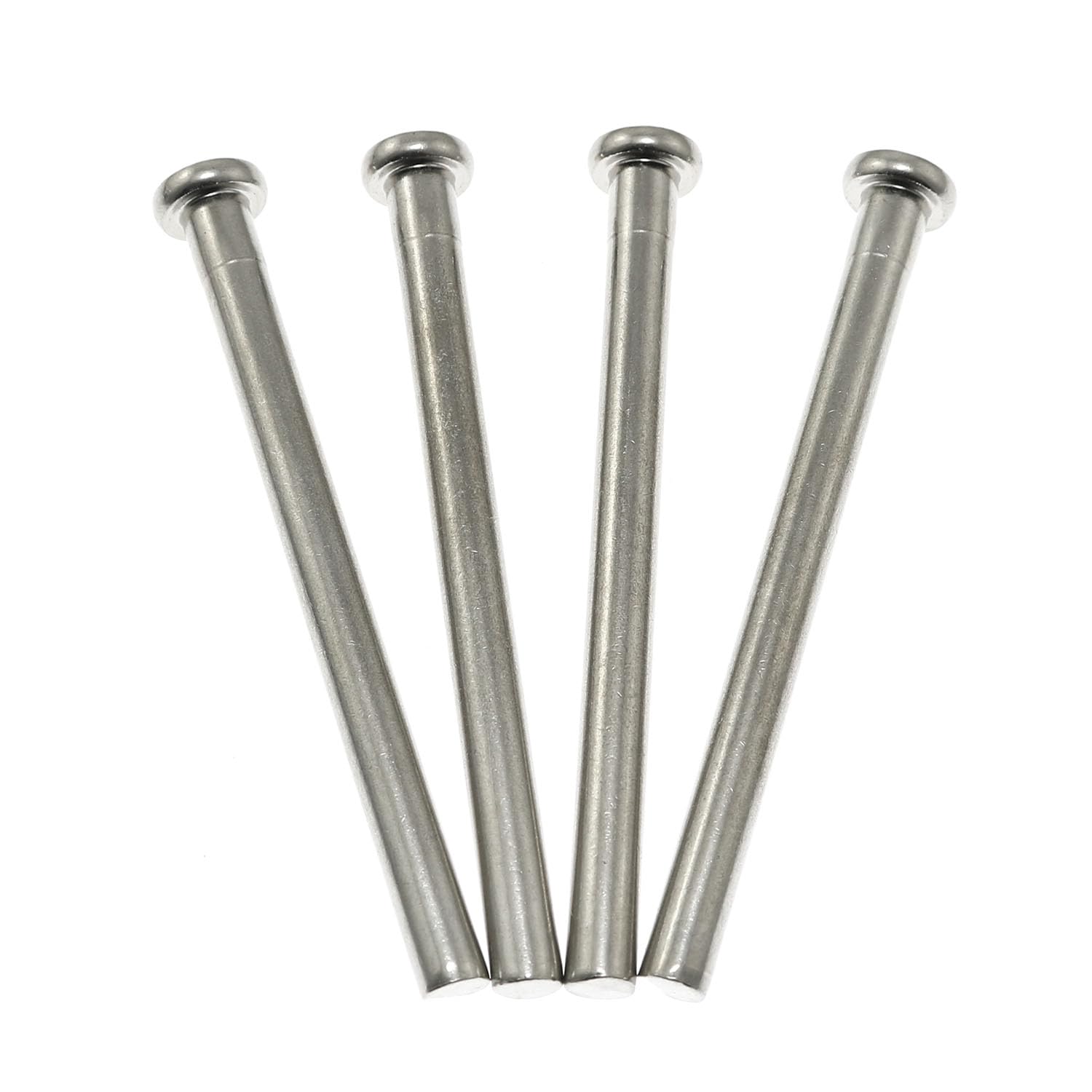
When a pin is cracked, snapped, or too bent to repair, replacement is necessary to fix a broken metal futon frame effectively.
Remove the Old Pin
If the pin is partially stuck, use pliers to pull it out with steady force. If it is seized, apply penetrating oil like WD-40 and let it sit for 10 to 15 minutes. Tap lightly from the opposite side with a punch or nail set to loosen the component.
Warning: Wear safety glasses during this process. Metal fragments can break off under pressure and cause eye injury.
Measure for Replacement
Remove the working pin if possible and measure its dimensions accurately. You need the diameter, which is typically 1/4 inch to 3/8 inch, and the length, usually 3 to 5 inches. Note the end shape, such as flat, grooved, or flanged, to ensure compatibility.
Take the old pin to a hardware store or search online for a futon hinge pin replacement. Many universal pins fit multiple brands and models effectively.
Install the New Pin
Insert the replacement pin into the bracket and ensure it is seated fully on both ends. If the hole is worn or loose, wrap the pin base with plumber’s tape for a tighter fit.
Test movement immediately after installation. The futon should lock securely in both sofa and bed positions without wobbling.
Reinforce Weak Brackets
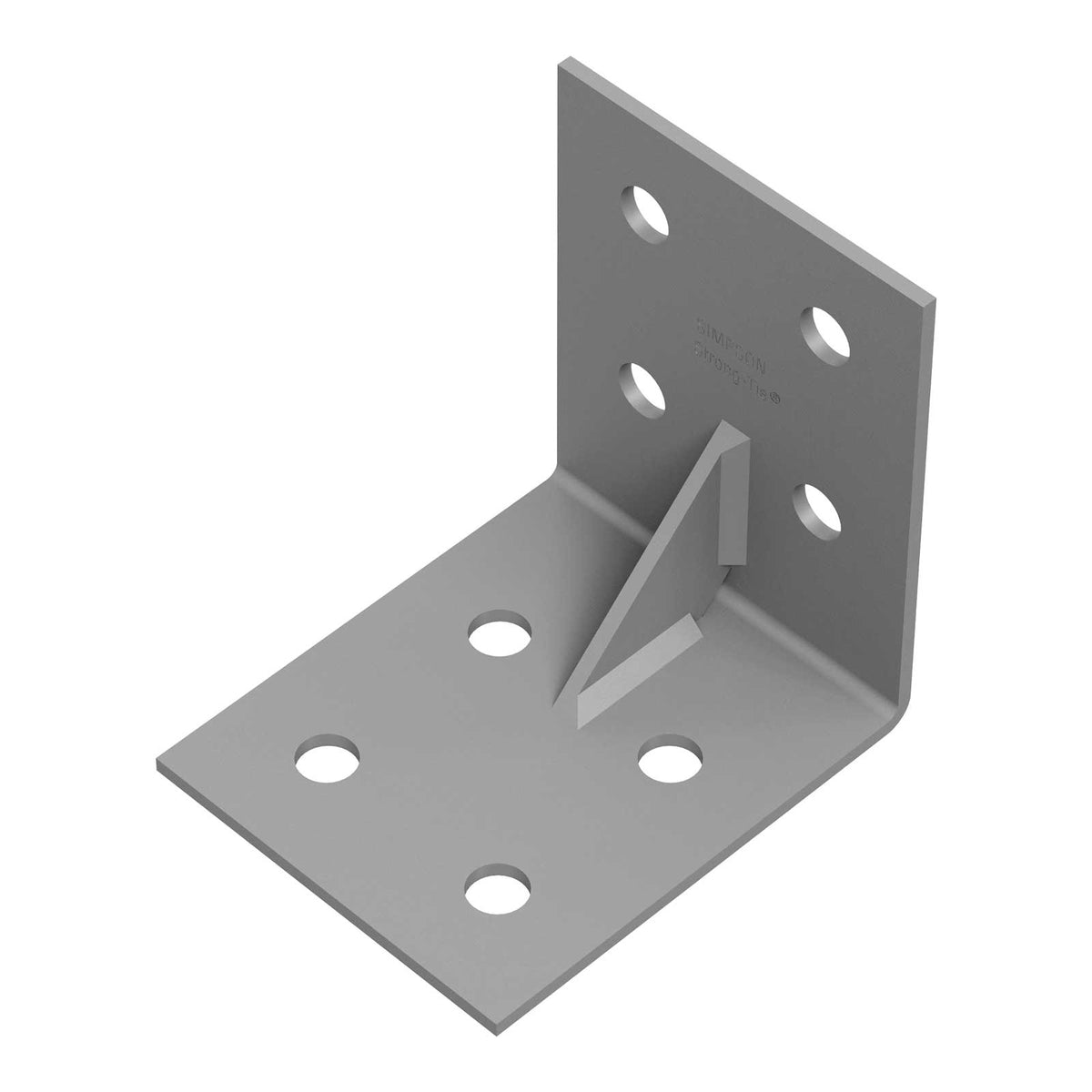
Even with a straight pin, a damaged bracket causes instability in your furniture. Reinforcing these areas prevents future failures.
Bend Brackets Back Into Shape
Use vise grips to grip the twisted section of the bracket firmly. Apply gradual pressure to realign the metal to its original position. Match the angle to the undamaged side for proper symmetry.
If the bracket has pulled away from the frame, drill two small pilot holes. Reattach the piece with number 8 sheet metal screws that are 1/2 inch long. Avoid over-tightening, which can strip the new holes.
Add Support Gussets
Cut a small L-shaped steel plate measuring 1 inch by 1 inch from scrap metal. Position it over the bracket-frame joint and secure it with screws. This distributes stress across a wider area and prevents future bending.
Alternative: Use heavy-duty angle brackets from a hardware store for faster installation. These provide immediate reinforcement to weak joints.
Secure Loose Rivets or Bolts
Many futon frames use rivets instead of screws, and these can loosen over time due to vibration.
Replace Rivets with Bolts
Remove failed rivets using a drill bit slightly larger than the rivet shaft. Insert a machine bolt that is 1/4 inch to 20 threads with a 1 inch length, along with a washer and nut. Tighten securely, but do not crush the metal frame.
This creates a serviceable and stronger joint than the original rivet design. You can tighten these bolts again in the future if they loosen.
Tighten Existing Fasteners
Check all bolts and rivets in the hinge area for looseness. Use a wrench or socket set to snug any that have worked themselves loose over time. Do not over-tighten, as stripped threads weaken the entire frame structure.
Test and Lubricate the Mechanism
After repair, ensure smooth operation to confirm you successfully fixed the broken metal futon frame.
Cycle Through All Positions
Move the futon slowly from sofa to bed and back several times. Listen for grinding or popping sounds that indicate friction. Resistance indicates misalignment, so recheck pin seating and bracket angles if this occurs.
The frame should lock firmly in each position without wobbling or shifting unexpectedly.
Apply Dry Lubricant
Spray dry Teflon lubricant on hinge points and pin surfaces to reduce friction. Avoid oil-based lubricants, which attract dust and grime that can jam the mechanism. Reapply every 6 months to maintain smooth motion and extend the life of the repair.
Prevent Future Frame Damage
Avoid repeating the same failure by adopting better usage habits for your furniture.
Distribute Weight Evenly
Never sit on the extreme edge of a futon in sofa mode. The outer arms bear the most stress and are prone to bending. Encourage users to sit toward the center of the seating area.
Limit weight to the manufacturer’s rating, which is typically 500 to 600 lbs total. Exceeding this limit accelerates metal fatigue.
Avoid Forceful Folding
Close the futon slowly and evenly on both sides. Slamming it shut stresses pins and brackets over time, leading to breaks.
Teach household members the correct folding technique to prevent accidental damage.
Inspect Every 6 Months
Perform a quick check of your frame twice a year. Verify that pins are fully seated and brackets show no new bends. Ensure all fasteners remain tight to catch small issues before they become major breaks.
Frequently Asked Questions About Fixing Metal Futon Frames
Can I fix a bent futon pin without replacing it?
Yes, you can often straighten a bent pin using channel locks or vise grips. Apply steady leverage to bend the metal back into alignment, then reseat it in the hole.
What tools do I need to repair a futon frame?
You typically need channel locks, a rubber mallet, penetrating oil, and possibly a drill. These common tools allow you to straighten pins and replace loose fasteners easily.
Why does my futon stay stuck in bed mode?
A bent hinge pin or misaligned bracket usually prevents the locking mechanism from engaging. This keeps the frame from holding the upright sofa position securely.
How do I know if my futon bracket is damaged?
Look for twisted metal, cracked welds, or holes that no longer align with the pin. Comparing both sides of the frame helps identify visible distortion.
Is it better to use bolts or rivets for repairs?
Bolts are often better for repairs because they can be tightened or replaced later. Rivets are permanent, but bolts offer a stronger and serviceable joint for home fixes.
How often should I lubricate my futon hinges?
Apply dry lubricant every six months or whenever you notice stiffness. Regular maintenance prevents rust and ensures the frame converts smoothly between positions.
Key Takeaways for Fixing Your Broken Metal Futon Frame
Repairing a broken metal futon frame is a manageable task that extends the life of your furniture significantly. By straightening bent pins with channel locks and reinforcing weak brackets, you can restore full functionality without expensive replacements.
Remember to inspect your frame regularly and distribute weight evenly to prevent future damage. Take action today to fix your broken metal futon frame and enjoy a sturdy, reliable couch again.