How to Fix a Wooden Futon Frame
A cracked wooden futon frame often starts as a minor creak before becoming a safety hazard near the joints. If your frame has failed at a knot or rail, you can repair it yourself with the right tools and technique.
This guide explains how to fix a wooden futon frame by diagnosing cracks, applying proper clamping pressure, and adding permanent reinforcements. You will learn to restore structural integrity so your furniture lasts longer than before.
Identify the Exact Damage Point on Your Frame
Pinpointing the failure source is the first step to a successful repair. Most breaks occur where stress concentrates on the wood structure.
Locate Knot Holes and Radiating Cracks
Inspect your front and side rails closely for natural imperfections. Cracks often radiate from knot holes because these areas lack structural integrity. If you see a fracture starting near a knot, this is likely your primary failure point.
Examine Screw and Glue Block Areas
Check where reinforcement blocks attach to the main rails. Poorly placed screws can concentrate stress rather than relieve it. A crack running through a screw hole indicates the joint failed under pressure despite the existing hardware.
Test for Movement and Flex
Apply gentle pressure to the arms and seat rails to feel for instability. Any wobble or audible creaking suggests internal splitting or loose joints. Mark these specific spots so you know exactly where to focus your repair efforts.
Understand Your Futon Frame Construction

Knowing how your specific frame is built dictates the repair method you must use. Different joints require different approaches to restoration.
Recognize Mortise and Tenon Joints
Many quality frames use mortise and tenon joints where a protruding piece fits into a slot. These connections are strong but can fail under repeated tensile stress. Understanding this geometry helps you align parts correctly during reassembly.
Locate Inset Reinforcing Blocks
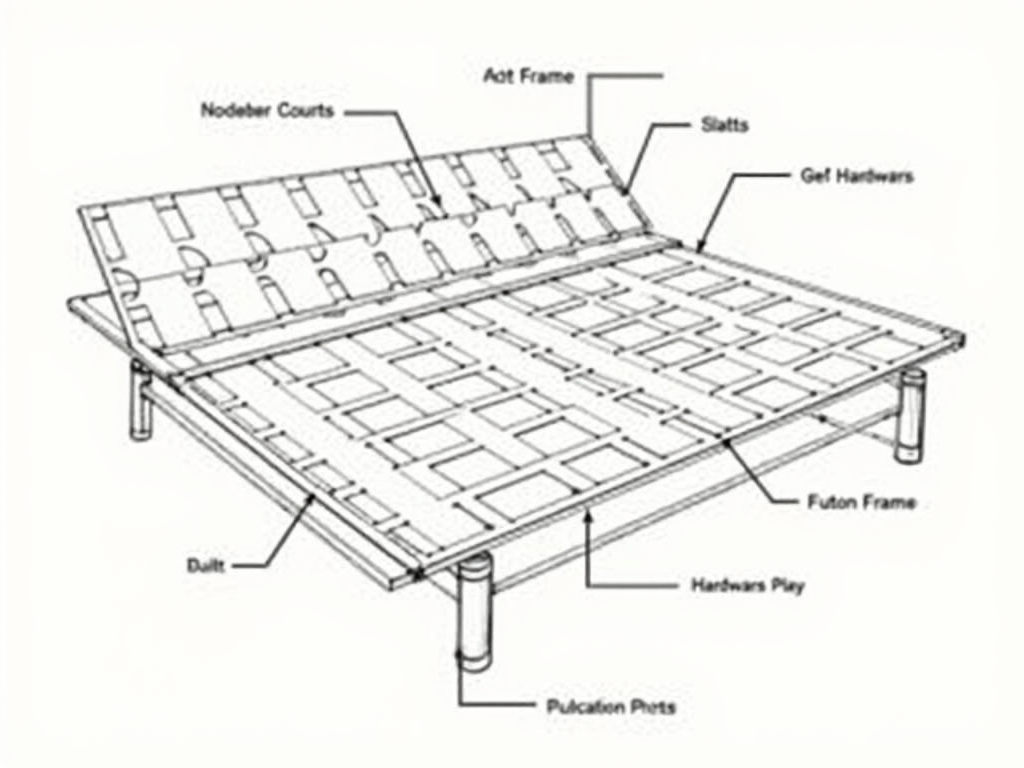
Look for wooden blocks set into the rails about one-third of the way from each end. These blocks prevent the frame from spreading sideways when weight is applied. They are usually secured with screws and sometimes a dowel pin.
Spot the Dowel Alignment Pin
Some designs include a wooden dowel passing through the rail and block to prevent shifting. If your crack follows the path of this dowel, tension has pulled the joint apart over time. This is a common failure mode in older futon frames.
Prepare the Right Clamping Strategy
:max_bytes(150000):strip_icc()/DP-00744-cb8f1a22411941039d7307fc113b9f57.jpg)
Repairing a cracked wooden futon frame requires more than just glue to succeed. You need a system that forces the crack closed while the adhesive cures.
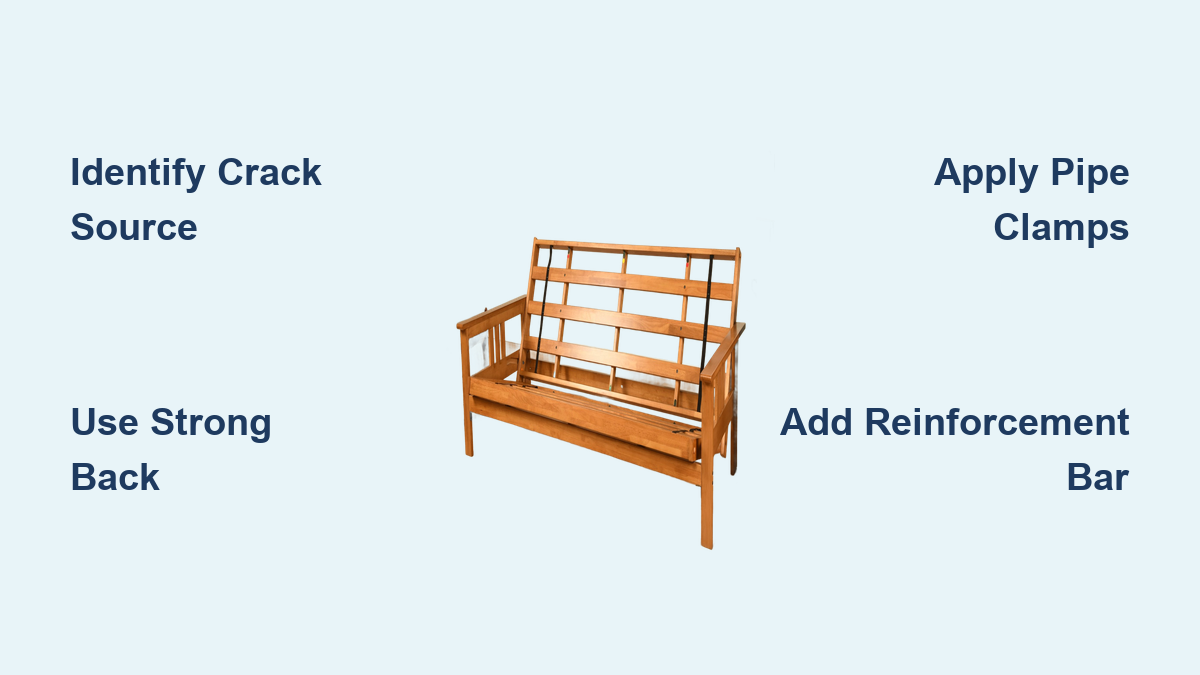
Use a Strong Back for Stability
Place a rigid steel tube or hardwood beam underneath the damaged rail. This strong back prevents the frame from flexing while you apply pressure. Without it, the frame might bend instead of closing the crack tightly.
Apply Even Pressure with Pipe Clamps
Use a large pipe clamp to draw the broken joint together slowly. Position it directly across the crack to ensure even distribution of force. Tighten gradually to avoid causing new splits in the surrounding wood.
Prevent Glue Mess with Wax Paper
Spread a thin layer of wood glue on both sides of the crack carefully. Lay down wax paper around the work area to catch any excess squeeze-out. Wipe away wet glue immediately with a damp cloth to keep the finish clean.
Disassemble and Reassemble Properly
Deep joint failures often require taking the frame apart completely. This ensures you can clean surfaces and align everything perfectly.
Remove Screws and Dowels Carefully
Take out all screws securing the reinforcement blocks first. Gently tap out any dowels using a hammer and punch if they are stuck. Label every part clearly so you remember its original position during reassembly.
Clean Old Glue Residue Thoroughly
Scrape off dried glue from tenons and mortises using a sharp chisel or sandpaper. A clean surface ensures maximum adhesion for your fresh coat of glue. Do not skip this step or the new bond may fail.
Reassemble Under Clamp Pressure
Reinsert tenons, align joints, and reattach blocks before tightening your clamps. Leave the assembly clamped overnight, ideally for 24 hours, for full strength. Rushing the cure time can result in a weak repair that breaks again.
Reinforce the Frame for Longevity

A repaired joint without added support will likely fail again under normal use. You must upgrade the design to prevent future breaks.
Build an Oak Reinforcement Bar
Cut a hardwood reinforcement bar from oak or maple to span the repaired rail. Make it about 2–3 inches wide and long enough to cover the crack plus 4 inches on each side. This adds significant mechanical strength to the area.
Screw the Bar In Place Securely
Position the bar over the joint and secure it with wood screws every 6–8 inches. Drill pilot holes first to prevent creating new splits in the wood. These screws provide holding power that glue alone cannot match.
Don’t Rely on Clamps Alone
While clamps close the joint temporarily, screws provide the lasting hold you need. Think of glue as a sealant and the screws as the real structural support. This combination ensures your fix survives daily use.
Repair Surface Damage and Finish

Once the structure is sound, you should address cosmetic issues to make the repair invisible. A rough fix looks unprofessional and may catch on clothing.
Fill Gaps with Wood Putty
Use high-quality wood putty to fill micro-cracks or chipped edges. Small gaps often remain even after clamping and need filling. Choose a brand that sands easily and accepts stain well for a seamless look.
Sand Smoothly in Wood Grain Direction
Sand the repair area with 120- then 220-grit paper once the putty dries. Always follow the direction of the wood grain to avoid visible scratches. Wipe the surface clean with a tack cloth before finishing.
Match the Stain Perfectly
Apply a wood stain that matches the original finish of your futon frame. Test the color on a hidden area first to ensure a good blend. A perfect color match makes your hard work nearly invisible to guests.
Prevent Future Failures
A repaired futon frame needs ongoing care to maintain its new strength. Neglect can lead to the same problems returning quickly.
Avoid Overloading the Frame
Do not stand on the edges or place excessive weight on unsupported areas. Futons are designed for distributed weight rather than concentrated pressure points. Respecting weight limits extends the life of your repair.
Tighten Screws Periodically
Check and tighten all screws every 6 months to maintain joint integrity. Vibration from daily use loosens hardware over time naturally. Regular maintenance prevents small issues from becoming major breaks.
Keep It Dry and Stable
Moisture warps wood and weakens glue bonds significantly over time. Avoid placing the futon near windows, radiators, or damp basements. A stable environment protects your investment and your repair work.
Frequently Asked Questions About Wooden Futon Repair
What causes wooden futon frames to crack?
Cracks usually start at knot holes or screw points where stress concentrates. Repeated tension on mortise and tenon joints often leads to failure over time.
Can I fix a cracked futon without replacing the whole frame?
Yes, you can fix a wooden futon frame by gluing the crack and adding a hardwood reinforcement bar. This method restores strength without needing a full replacement.
How long should I leave clamps on a futon repair?
You should leave clamps on for at least 24 hours to ensure the wood glue cures fully. Rushing this step can result in a weak bond that fails under weight.
What type of wood works best for reinforcement bars?
Hardwoods like oak or maple make the best reinforcement bars due to their strength. These woods resist bending and provide superior support for cracked rails.
Do I need special tools to repair a futon frame?
You mainly need pipe clamps, a strong back beam, and basic woodworking tools like a drill and sander. These common tools allow you to complete the repair effectively at home.
Key Takeaways for Fixing Your Wooden Futon Frame
Fixing a wooden futon frame requires identifying the root cause, usually a knot hole or stress point, and addressing it with more than just glue. By using a strong back, applying even clamp pressure, and installing a custom oak reinforcement bar, you create a joint stronger than the original design.
Take action today by inspecting your frame for loose screws or visible cracks before they worsen. With proper preparation and reinforcement, your futon can serve you comfortably for many more years.