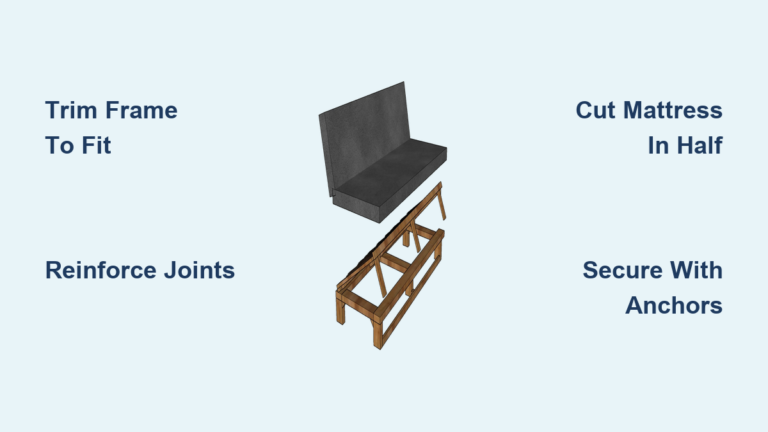

How to Fix a Sagging Futon
You likely notice it most at night when your futon sags in the middle and creates an uncomfortable dip that misaligns your spine. Flipping the mattress or tightening a few bolts often fails to solve the problem permanently if the root cause remains unaddressed.
This guide shows you exactly how to fix a sagging futon by diagnosing weak frames, replacing worn slats, and reinforcing support structures. You will learn actionable repair steps using basic tools to restore comfort without buying new furniture.
Diagnose Why Your Futon Mattress Sags

Determining the specific source of the dip is the first step before attempting any repairs. Different structural failures require distinct solutions, so a quick diagnosis saves you time and money.
Check Frame Stability and Joints
Inspect both metal and wooden frames for loose bolts, bent joints, or signs of rust. Gently wobble the futon while it is in both sofa and bed modes to feel for movement. If you hear creaking or feel shifting, the frame integrity is likely compromised. Tighten all visible screws and bolts using a wrench or screwdriver to secure the structure.
Inspect Support Slats for Damage
Flip the entire unit over to examine the horizontal slats running beneath the mattress. Look closely for cracks, warping, or excessive gaps between individual slats. Wooden slats should generally be spaced no more than 2 to 3 inches apart for proper support. Broken or bowed slats cannot support the mattress evenly, which directly leads to sagging.
Evaluate Mattress Foam Condition
Lay the mattress flat on the floor and press down firmly on the center area. If the surface sinks more than 1 to 2 inches without rebounding quickly, the internal foam is worn out. Flip and rotate the mattress to see if the sag improves, which indicates uneven wear patterns. Older mattresses often have permanently compressed materials that need replacement rather than repair.
Reinforce a Weak Futon Frame
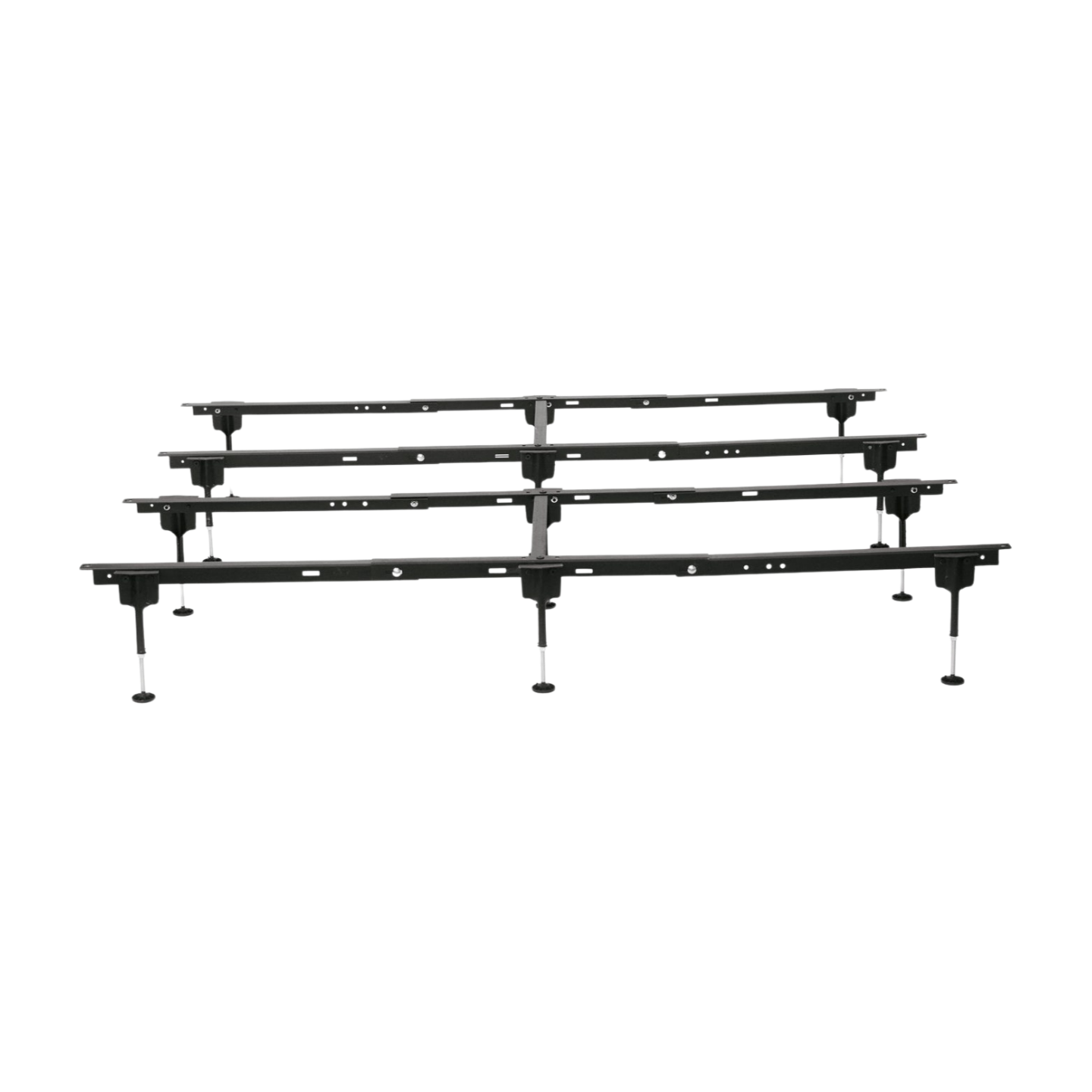
A weak frame is the most common reason a futon fails to stay level. Strengthening the skeleton of your furniture improves stability and prevents further structural damage.
Tighten All Bolts and Screws
Use a socket wrench or screwdriver to secure every single bolt and screw in the frame assembly. Focus your attention on the center hinge, leg brackets, and side rails where stress is highest. If bolts spin without tightening, remove them to check the nuts on the opposite side. Replace any stripped hardware with slightly larger equivalents to ensure a tight fit.
Add Center Support Legs
Many frames lack adequate support in the middle section, especially when converted to a bed. Install adjustable center legs that drop from the frame midpoint directly to the floor. Position the leg under the main hinge or center bar and adjust the height until the frame sits perfectly level. This simple addition distributes weight more evenly across the structure.
Install Cross-Bracing for Rigidity
For metal frames, add an X-shaped brace between the side rails using steel brackets and bolts. This modification reduces twisting motion and helps distribute weight more evenly. Wooden frames benefit from a 1×3 hardwood strip attached across the width just behind the center hinge. Secure this strip with wood screws every 6 inches to prevent bowing under pressure.
Upgrade the Futon Support System

Even a strong frame will fail if the support system underneath the mattress is inadequate or damaged. Upgrading these components provides a solid foundation for your sleeping surface.
Replace or Add New Slats
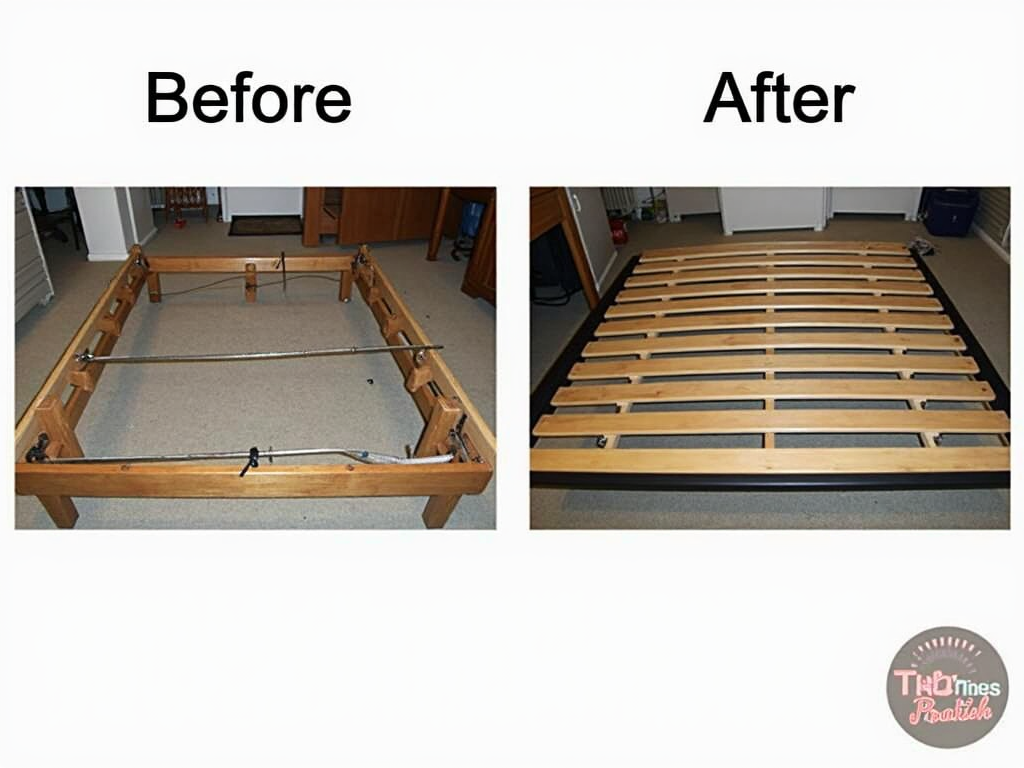
Remove old slats and replace them with high-quality hardwood or reinforced plywood strips. Cut them to fit the frame width precisely and space them no more than 2 inches apart. Use ¾-inch thick pine or birch for extra durability and long-term performance. Attach each slat with screws or metal clips so they do not shift during use.
Use a Plywood Support Board
Place a ½-inch plywood board directly under the mattress to create a firm surface. Cut the board to match your futon dimensions exactly and sand the edges smooth. This creates a flat surface that prevents localized sagging in the center of the bed. For easy conversion, cut the board into two pieces that meet at the hinge line.
Install a Modular Support Grid
Consider replacing standard slats with a furniture-grade support grid made of laminated wood. These grids feature interlocking strips that resist bending and distribute weight evenly across the surface. While more expensive than basic slats, they last significantly longer and require zero maintenance. This upgrade is ideal for heavy use or heavier individuals.
Refresh or Replace the Sagging Mattress

If the frame and support system are solid but the dip remains, the mattress itself is the culprit. Refreshing the padding can restore comfort without replacing the entire unit.
Flip and Rotate Regularly
Most futons can be flipped front-to-back and top-to-bottom every 3 to 6 months. Doing this regularly helps even out wear patterns and extends the life of the mattress. If one side feels significantly softer, rotate it so the firmer side supports your back. Avoid folding the mattress sharply when converting modes to protect internal layers.
Add a Memory Foam Topper
Place a 2 to 3-inch memory foam or latex topper over the existing mattress surface. This layer fills in dips and adds cushioning without the cost of a new unit. Choose a topper with a nonslip bottom or secure it tightly with a fitted cover. This is a budget-friendly fix for mild sagging issues.
Replace With High-Density Foam
If the mattress is lumpy, thin, or permanently indented, it is time for a full replacement. Look for a futon mattress with high-density foam rated at least 1.8 pounds per cubic foot. Hybrid designs with innerspring cores also resist sagging longer than standard foam options. Always measure your frame carefully before buying to ensure a proper fit.
Prevent Future Futon Sagging
Once you have fixed the issue, maintaining your futon properly will help you avoid repeating the problem. Consistent care keeps the structure sound and the surface comfortable.
Avoid Overloading the Frame
Futons are generally designed to support one or two people comfortably. Regularly exceeding this weight limit accelerates wear on the frame and slats. Avoid jumping on the bed or using it as a trampoline, as this stresses the joints. Consider a more robust sleeper sofa if you frequently host multiple guests.
Clean and Maintain Monthly
Dust and debris can accumulate under slats, adding unnecessary weight and promoting mold growth. Remove the mattress once a month to vacuum the frame and slats thoroughly. Wipe metal parts with a dry cloth to prevent rust formation. Check bolts every few months and retighten them as needed to maintain stability.
Use a Protective Mattress Cover
A waterproof mattress protector shields against spills, sweat, and stains that break down foam over time. It also reduces friction between the mattress and slats, preventing premature wear on the fabric. Choose a breathable fabric to avoid overheating while you sleep. This small investment significantly extends the life of your mattress.
Frequently Asked Questions About Fixing a Sagging Futon
Can I fix a sagging futon without buying new parts?
Yes, you can often fix minor sagging by tightening loose bolts, flipping the mattress, or adding a plywood board you already have. These no-cost or low-cost methods address many common stability issues effectively.
How often should I rotate my futon mattress?
You should rotate and flip your futon mattress every 3 to 6 months to ensure even wear. Regular rotation prevents one area from becoming permanently compressed and sagging over time.
What is the best wood for replacing futon slats?
Hardwood like oak or birch is best for replacing slats due to its strength and resistance to warping. Pine is an acceptable budget option if it is at least ¾-inch thick for adequate support.
Why does my futon sag in the middle specifically?
Middle sagging usually occurs because that area bears the most weight without sufficient underlying support. Lack of center legs or widely spaced slats allows the frame to bow under pressure.
Is a plywood board better than new slats?
A plywood board provides continuous support that eliminates gaps, making it superior for fixing severe sag. New slats offer better airflow but require precise spacing to prevent future dips.
Key Takeaways for Repairing Your Sagging Futon
Fixing a sagging futon involves identifying whether the frame, slats, or mattress is causing the dip. Most issues resolve by tightening hardware, adding center support legs, or installing a plywood base.
Regular maintenance like rotating the mattress and cleaning debris prevents future problems. Start your repair today by inspecting your frame joints and testing your slat spacing for immediate improvement.