How to Make a Futon for Your Van
Converting your vehicle into a livable space often requires a smart sleeping solution that doubles as daytime seating. Learning how to make a futon for van life solves this by creating a modular bed that folds away to reveal hidden storage underneath. Unlike permanent builds, this approach uses lightweight materials to maximize your limited floor area.
This guide details the exact steps to source, reinforce, and install a custom futon frame tailored to your vehicle. You will discover how to prevent common structural failures, eliminate friction noise, and secure your setup for safe travel. Follow these proven methods to build a durable system ready for daily use.
Source and Prep a Used Futon Frame
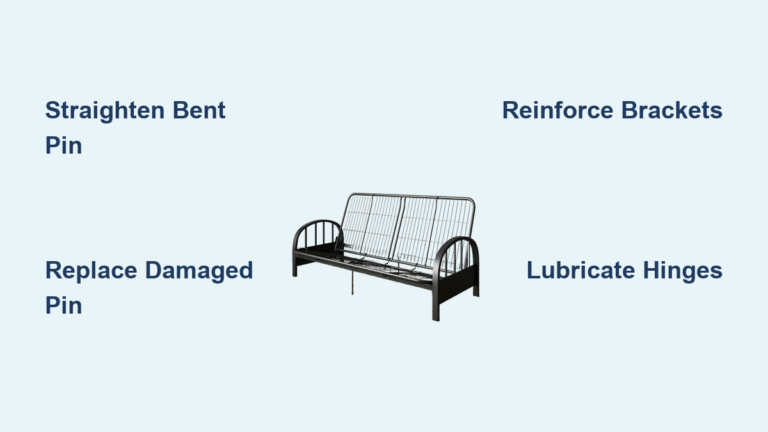
Finding the right base structure is the most critical first step in your build. You can often find sturdy wooden frames on Craigslist or Facebook Marketplace for free or very low cost. Look for simple slat designs rather than heavy metal arms or ornate decorative ends.
Trim the Frame to Fit Your Van
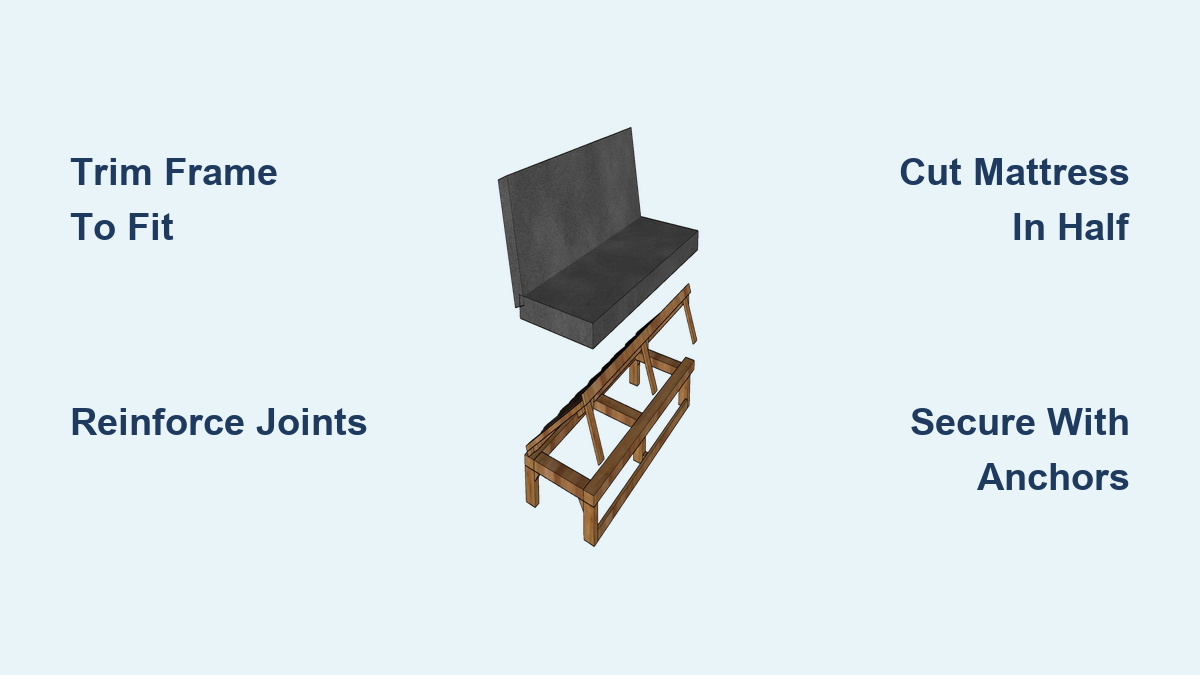
Standard frames are usually too wide for minivans or cargo vans. Measure your interior width carefully before making any cuts. Use a circular saw to shorten the side rails and slats symmetrically so the folding mechanism stays aligned.
Strip Non-Essential Components
Remove all armrests, decorative caps, and excess fabric to save weight. Keep only the core folding sections, hinges, and sliding rails. This reduction ensures maximum clearance within your tight vehicle dimensions.
Reinforce Weak Joints with Metal Brackets
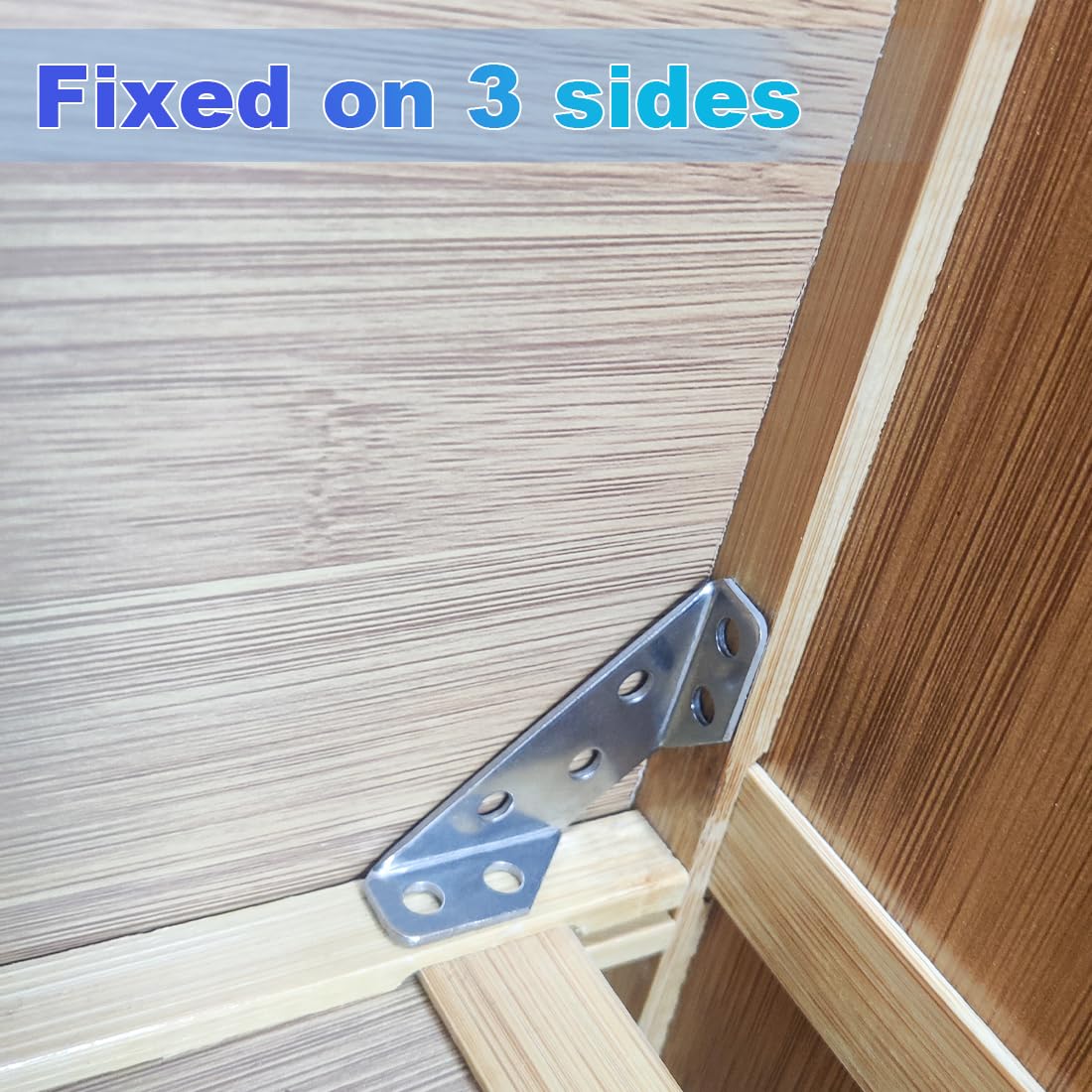
Original futon frames often fail because joints splay outward under weight. You must reinforce every corner to ensure the structure survives road vibrations and daily use. Skipping this step leads to a wobbary and unsafe sleeping platform.
Install L-Brackets on Both Sides
Apply metal L-brackets to both sides of every joint for maximum strength. Use 1.5-inch screws to anchor them firmly into the wood at leg attachments and hinge points. This prevents the frame from warping over time.
Add A-Frame Leg Supports
Cut diagonal supports from 1×2 pine to create A-frame braces for each leg. Screw these from the bottom of the leg up to the inner side rail to stop lateral spreading. This triangular bracing adds significant stability on uneven ground.
Connect Legs Across the Frame
Drive a long 3-inch screw completely through one leg and into the opposite side rail. This ties both sides together into a single rigid unit that resists twisting forces. Repeat this process for both front and rear leg sets.
Eliminate Friction and Sawdust Buildup
A common issue with wooden frames is fine sawdust appearing under the bed after folding. This debris is not pest damage but rather wood dust caused by metal brackets rubbing against slats. Ignoring this friction will eventually weaken your frame.
Insert Plastic Shims or Pads
Place plastic shims or rubber pads between metal brackets and wood surfaces. These buffers stop direct contact and prevent abrasion during the folding process. Your van interior stays clean while the wood lasts much longer.
Use Nylon-Coated Washers
Replace standard washers with nylon-coated versions at all pivot points. These smooth surfaces reduce resistance when the frame slides into bed mode. This small upgrade significantly extends the life of your mechanical joints.
Upgrade the Folding Mechanism

Your futon must stay locked in place while driving to prevent accidents. Standard clips often pop out on bumpy roads, causing the backrest to collapse unexpectedly. Upgrading these components ensures safety and reliability.
Install Click-Style Locks
Replace temporary tape fixes with dedicated click-mechanism locks. These inexpensive units snap securely into place to hold the frame in couch mode. Drill a small hole in the rail to insert the locking pin for a permanent solution.
Secure Backrest Clips with Pins
Drill a small hole through standard backrest clips and insert a cotter pin or zip tie. This prevents the clip from disengaging when you hit a bump or drive off-road. Your backrest will remain upright during all travel conditions.
Create an Intentional Fold Stop
Install a rubber bumper or metal nub at the end of the slide path to stop over-extension. This prevents the frame from slamming or straining the mechanism when fully opened. A controlled stop protects your joints from unnecessary stress.
Mount the Frame Securely in Your Van
Loose furniture is dangerous during sudden stops or accidents. You must anchor your futon to the vehicle floor using existing hardware. Proper mounting keeps your living space safe and stable.
Utilize Factory Seat Anchors
Align the futon legs directly over your vehicle built-in seat anchors. Bolt L-brackets to these points to lock the frame in place without drilling new holes. This method preserves your van resale value and ensures safety.
Add Heavy-Duty Straps
Route webbing straps through the frame and tighten them to floor loops for extra security. Use cam buckles or ratchets to allow quick release when you need to reconfigure the space. These act as secondary restraints during rough driving.
Ensure Clearance for Folding
Position the frame so the bed can extend fully without blocking rear doors. Check headroom when folded up and access to storage compartments underneath. Proper placement allows smooth conversion between sitting and sleeping modes.
Customize the Mattress for a Flat Fold

Single-piece mattresses create an uncomfortable hump at the hinge point when folded. This gap ruins sleep quality and makes the folding process difficult. Modifying your mattress solves this major comfort issue.
Cut the Mattress in Half
Slice your mattress vertically down the center to allow a true 90-degree fold. Keep the outer cover intact or sew a new seam to join the two halves like a book. This creates a flat, seamless surface when extended for sleep.
Align Halves with Velcro Strips
Attach Velcro strips along the inner edges of the cut mattress to keep halves aligned. Use a single fitted sheet over both sections to maintain a unified look. This prevents shifting during sleep while preserving comfort.
Test Bedding Protocols
Unhook the mattress pad and fold bedding twice over the back section before converting. Secure loose items with cords to maintain position during the fold. Proper bedding management speeds up your daily conversion routine.
Enable Multi-Functional Access and Use
Your van needs to serve as both a workspace and a bedroom efficiently. Design your futon to allow easy access to systems stored underneath. This flexibility is key to comfortable long-term van life.
Install a Kickstand for Maintenance
Attach a collapsible arm or wooden prop to hold the frame in a mid-fold position. This allows you to inspect electrical panels or service solar gear without removing the mattress. Quick access saves time during troubleshooting.
Optimize Height for Desk Work
Build the futon slightly lower than standard seating height if you have an adjacent workstation. This adjustment ensures your chair fits underneath and allows free movement. Test the setup with your actual desk before finalizing dimensions.
Maintain Long-Term Relability
Regular inspections keep your build safe and functional over years of use. Vibrations from driving can loosen screws and wear down joints over time. A simple maintenance routine prevents major failures.
Inspect Joints Monthly
Tighten all L-brackets and check leg attachments every four to six weeks. Re-secure sliding rails if you notice any play in the mechanism. A quick five-minute check ensures continued structural integrity.
Monitor for Wear Signs
Watch for sawdust accumulation as an early warning of friction issues. Address any signs of wear immediately by adding shims or replacing hardware. Catching problems early avoids costly repairs later.
Final Thoughts on Building Your Van Futon
Creating a custom sleeping platform transforms your vehicle into a versatile home on wheels. By reinforcing joints, upgrading locks, and splitting your mattress, you build a system that is safe, comfortable, and durable. These steps ensure your how to make a futon for van project succeeds for years of adventure.
Start by sourcing a free frame and gathering basic tools like a drill and saw. Follow the reinforcement steps carefully to prevent common structural failures. Your mobile living upgrade begins with this single, high-impact project.
Frequently Asked Questions About Van Futons
Can I use a standard full-size futon in a minivan?
Most standard frames are too wide for minivans and require cutting. You must measure your interior width and trim the side rails symmetrically to ensure a proper fit.
How do I stop the futon from unfolding while driving?
Install click-style locks or secure the sliding hook with heavy-duty tape as a temporary fix. Anchoring the frame to factory seat points also prevents accidental movement during transit.
Why is there sawdust under my wooden futon frame?
Fine dust indicates metal brackets are rubbing against wood during folding. Insert plastic shims or rubber pads between these surfaces to stop the abrasion immediately.
Is it better to split the mattress for a van futon?
Yes, cutting the mattress in half allows a flat 90-degree fold without a hump. This modification significantly improves sleep comfort and makes folding the bed much easier.
What tools do I need to build a van futon?
You primarily need a drill, screwdriver, circular saw, and measuring tape. Basic lumber and metal brackets are the main materials required for reinforcement.
How do I access storage under the futon bed?
Install a kickstand or prop to hold the frame in a partially folded position. This allows you to reach batteries, tools, or wiring without removing the entire mattress setup.