How to Sleep with Collagen Mask
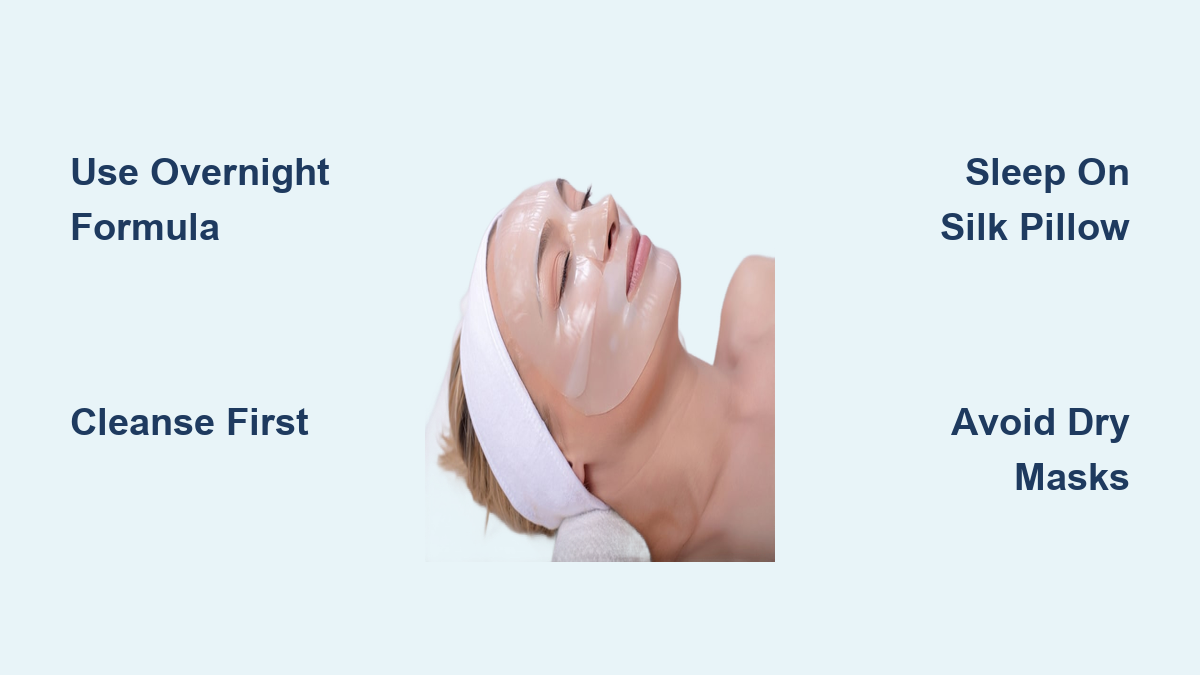
Waking up to dewy, plump skin sounds like a dream, but sleeping with a collagen mask can quickly turn into a sticky pillow disaster if you do it wrong. Many people give up after one messy night, assuming overnight masks just don’t work. The truth is, with the right product and a few smart prep steps, you can safely wear a collagen mask overnight and wake up with visibly smoother, more hydrated skin.
This guide covers everything you need to know about how to sleep with a collagen mask, from choosing the right formula to protecting your pillowcase. You’ll learn which masks are safe for overnight use, how to prep your skin, and how to avoid common mistakes that cause irritation or breakouts.
Pick a Collagen Mask Designed for Overnight Wear
Not every collagen mask belongs on your face for eight hours. Choosing the right formula is the foundation of safe, effective overnight treatment.
Look for “Sleeping Mask” or “Overnight” Labels
Products specifically labeled as sleeping masks or overnight treatments are formulated for extended wear. These are typically gel or cream based and absorb slowly into the skin without clogging pores. Many include collagen boosting ingredients like peptides, hyaluronic acid, and ceramides.
Avoid standard sheet masks unless the packaging clearly states they are safe for extended wear. Most sheet masks are soaked in concentrated serum that can over hydrate or irritate skin when left on too long.
Skip Harsh or Comedogenic Ingredients
Read the ingredient list carefully before committing to an overnight collagen mask. Avoid formulas with high concentrations of alcohol, synthetic fragrance, or essential oils. These ingredients can cause redness, dryness, or allergic reactions during prolonged skin contact.
Choose hypoallergenic and non-comedogenic options if you have sensitive or acne prone skin. This reduces the risk of clogged pores and morning breakouts.
Prep Your Skin Before Applying the Mask
Applying a collagen mask on dirty or improperly prepped skin reduces absorption and increases breakout risk. A quick prep routine makes a big difference.
Cleanse Thoroughly and Pat Dry
Wash your face with a gentle cleanser to remove oil, makeup, and debris. A clean surface allows the collagen and active ingredients to penetrate deeply.
Pat your skin dry with a soft towel instead of rubbing. Slightly damp skin boosts absorption, but soaking wet skin can dilute the formula and weaken results.
Apply a Lightweight Toner or Essence
If toner is part of your routine, apply it after cleansing. This balances your skin’s pH and adds an extra hydration layer that helps the collagen mask work better overnight.
Avoid thick creams or facial oils before the mask. These create a barrier that blocks the mask from absorbing properly.
Apply the Collagen Mask the Right Way

How you apply your mask affects comfort, effectiveness, and how much product ends up on your pillow.
Smooth On an Even Layer
For sheet masks: unfold carefully and press onto clean skin starting from the center of your face. Work outward to smooth out air bubbles and ensure full contact.
For cream or gel masks: use clean fingers or a spatula to spread a thin, even layer. Focus on dry areas like the cheeks, forehead, and under eye area.
Avoid the Eye and Lip Areas
Keep the product away from your eyes, nostrils, and lips. Collagen masks are not designed for mucous membranes and can cause stinging or irritation if applied too close.
If using a sheet mask, fold excess material under or trim carefully to prevent bunching during sleep.
Keep the Mask in Place While You Sleep
Slippage is the number one complaint about sleeping in a mask. A few simple adjustments can keep the product on your face and off your bedding.
Sleep on a Silk or Satin Pillowcase
Silk creates far less friction than cotton, helping masks stay in place through the night. It is also gentler on skin and hair, reducing sleep lines and frizz.
Satin pillowcases offer a similar benefit at a lower price point if silk is out of budget.
Try Sleeping on Your Back
Side and stomach sleeping press your face directly into the pillow, increasing mask transfer and reducing absorption. Back sleeping minimizes contact and keeps the mask evenly distributed.
If back sleeping is uncomfortable, consider a travel pillow or rolled towel to gently cradle your head and discourage rolling.
Handle Your Skin the Morning After

What you do when you wake up matters for locking in benefits and maintaining skin balance.
Rinse If Your Skin Feels Sticky
Some overnight masks are designed to stay on, while others need to be rinsed. If your skin feels tacky, heavy, or irritated, wash gently with lukewarm water before continuing your routine.
Cream based masks often absorb fully and do not require rinsing. Simply follow with your regular moisturizer and sunscreen.
Blot and Moisturize After Sheet Masks
If you wore a sheet mask overnight, peel it off slowly and blot any remaining serum with a soft tissue. Avoid rubbing, which can irritate freshly treated skin.
Seal everything in with a moisturizer, especially in dry climates or during winter months.
Avoid These Common Overnight Mask Mistakes
Even great products fail when small errors get in the way. Steer clear of these pitfalls.
Never Sleep in a Drying Sheet Mask
Sheet masks begin to dry within 20 to 30 minutes. Once dry, they reverse direction and start pulling moisture out of your skin.
If your mask feels tight or stiff during the night, remove it immediately and rinse your face.
Don’t Use Collagen Masks Every Single Night
Daily use can overwhelm your skin, leading to clogged pores, irritation, or sensitivity. Most dermatologists recommend limiting mask use to 2 to 3 times per week.
Always follow the frequency guidelines on your specific product’s label.
Skip Masks Over Active Breakouts
Never apply any occlusive mask over open blemishes, wounds, or rashes. Trapping bacteria under a mask can worsen inflammation and delay healing.
Wait until your skin is calm before resuming overnight treatments.
Boost Your Results With Smart Overnight Habits
Your collagen mask works harder when paired with habits that support skin repair during sleep.
Hydrate Before Bed
Drink a glass of water about an hour before sleep. Well hydrated skin absorbs topical treatments more efficiently and bounces back faster.
Limit alcohol and caffeine close to bedtime, since both dehydrate skin and interfere with overnight repair.
Keep Your Bedroom Cool and Moist
Aim for a bedroom temperature between 65 and 68°F. Cooler air supports skin repair and reduces overnight oil production.
Run a humidifier if your room is dry, especially in winter. This prevents your mask and skin from drying out too quickly.
Consider Reusable or Serum Alternatives

If single use masks feel wasteful or messy, alternatives can deliver similar benefits with less hassle.
Try a Reusable Hydrogel Mask
Some hydrogel masks are designed for multiple uses and are safe for overnight wear. Store them in the fridge for a cooling, depuffing effect in the morning.
Always clean and store reusable masks exactly as directed to prevent bacterial buildup.
Switch to a Collagen Boosting Serum
Serums with collagen peptides or supporting ingredients absorb faster than masks and rarely transfer onto bedding. Layer one under a light night cream for similar benefits.
This option works well for people with sensitive skin or anyone who finds masks uncomfortable to sleep in.
Frequently Asked Questions About Sleeping with a Collagen Mask
Can You Really Sleep in a Collagen Sheet Mask?
Yes, but only if the packaging specifically states it is safe for overnight wear. Standard sheet masks dry out within 20 to 30 minutes and can pull moisture from your skin if left on too long. Look for products labeled “extended wear” or “overnight” to be safe.
How Often Should You Use an Overnight Collagen Mask?
Most experts recommend 2 to 3 times per week for best results. Using a collagen mask every night can clog pores or cause sensitivity, especially with richer cream formulas. Always check your product’s instructions for specific guidance.
Will Sleeping in a Collagen Mask Cause Breakouts?
Not if you choose the right formula and apply it to clean skin. Non-comedogenic, fragrance free masks are safest for acne prone skin. Avoid masks with heavy oils or alcohol, and never apply over active breakouts.
Is It Better to Sleep on Your Back When Wearing a Mask?
Yes, back sleeping reduces friction and keeps the mask evenly distributed across your face. Side sleeping increases the chance of the mask shifting or transferring onto your pillow. A silk or satin pillowcase adds extra protection against slippage.
What Should I Do After Removing an Overnight Collagen Mask?
Gently blot any excess serum or cream and follow with a moisturizer to seal in hydration. Rinse with lukewarm water only if your skin feels sticky or irritated. Always apply sunscreen the next morning, since overnight treatments can increase sun sensitivity.
Key Takeaways for Sleeping with a Collagen Mask
Learning how to sleep with a collagen mask comes down to three essentials: choosing the right formula, prepping your skin properly, and minimizing pillow transfer. Start with a product specifically designed for overnight wear, cleanse and tone before applying, and protect your bedding with silk or satin.
Avoid drying sheet masks, overusing the treatment, or applying over active breakouts. Pair your mask with hydration, a cool bedroom, and back sleeping for the best results. With consistent, careful use, you will wake up to firmer, more radiant skin in just a few weeks.