
How to Fix a Futon Mattress
Does your futon mattress feel soggy, lumpy, or uncomfortably soft after years of use? You are not alone in facing this common issue where the internal filling compresses over time. The good news is that you often do not need to buy a brand new unit immediately.
This guide explains how to fix a futon mattress using proven methods like restuffing with foam or adding memory toppers. We will cover cost-effective repairs and help you decide when replacement is the smarter choice.
Check If Your Futon Has an Accessible Zipper
You must determine if your current cover allows access before buying any materials. Most modern designs include a hidden zipper along the bottom or side edge for easy maintenance.
Locate Hidden Seams or Closures
Run your hands along all seams of the mattress casing to find the closure mechanism. Some manufacturers hide zippers under fabric flaps to maintain a clean aesthetic look.
Create an Opening If None Exists
You can carefully cut a seam with a seam ripper if no zipper is present. Plan to sew this back together with heavy-duty thread or a machine after inserting your new filling.
Pro Tip: Take clear photos of the stitching pattern before you cut so you can replicate it perfectly when resealing the cover.
Restuff the Mattress Core With High-Density Foam

Simply adding fluff on top of old material rarely works because the base remains uneven. You need to address the core structure to eliminate lumps and restore firmness.
Remove Old Compacted Filling Entirely
Pull out every bit of the existing stuffing to assess the internal condition. This step prevents old debris from creating new bumps under your fresh layers of support.
Warning: Old filler often contains dust and allergens so wear a mask and work in a ventilated space.
Insert a Solid Foam Slab
Cut a piece of high-density upholstery foam to match your exact futon dimensions for the best results.
* Aim for a thickness of 3 to 4 inches for adequate support.
* Choose a density rating of 1.8 lb/ft³ or higher to resist future sagging.
Many local upholstery shops will cut foam to your specific size for a small fee. This creates a uniform base that feels much firmer than the original compressed scraps.
Use Memory Foam Toppers as a Quick Fix

Layering inexpensive memory foam is a popular way to add comfort without complex reconstruction. This method works well for those who want a reversible solution.
Select the Right Topper Thickness
Purchase one or two memory foam toppers that are 1 inch thick from major retailers. These add necessary pressure relief while keeping the overall profile manageable.
Place Inside or On Top of Cover
- Inside: Open the cover and slide the topper directly over the existing filling before resealing.
- On top: Lay the topper on the surface where it stays in place during folding.
User Success: Many users report that stacking two 1-inch toppers makes the surface much nicer to sleep on and eliminates sag discomfort.
Evaluate Supportive Fillers Like Comforters
Some suggestions involve using down comforters or batting but these materials have significant limitations for seating. You must understand the difference between volume and actual support.
Avoid Low-Density Fillers
- Poli-Fil and fiberfill compress quickly under body weight and become lumpy again.
- These materials suit decorative pillows better than heavy sleeping surfaces.
Down Comforters Offer Softness Only
Placing a whole down comforter inside adds volume but fails to provide structural support. Feathers shift over time and create uneven areas that feel lopsided.
Best Use Case: Only use this method if the futon is for occasional lounging rather than nightly sleeping.
Reinforce the Frame and Base Structure

Sometimes the mattress is fine but the foundation beneath it has failed. A weak frame causes the fabric to dip and creates the illusion of a bad mattress.
Inspect the Futon Frame Joints
Check for loose bolts, bent metal supports, or wobbly legs that cause instability. Tighten all screws and reinforce weak points with extra brackets if needed.
Add a Support Board
Place a ½-inch plywood board or MDF sheet between the frame slats and the mattress. This distributes weight evenly and stops the fabric from dipping between bars.
Visual Cue: If the fabric sags deeply when you sit down you likely need extra底层 support.
Prevent Future Sagging With Maintenance
Even the best repair job requires ongoing care to ensure longevity. Adopt these habits to keep your futon comfortable for years.
Flip and Rotate Regularly
Turn the mattress over every few weeks to prevent one side from wearing down faster than the other.
Air It Out Weekly
Unfold the futon daily and let it breathe for at least 30 minutes to reduce moisture. This keeps fibers resilient and prevents musty smells from developing.
Avoid Permanent Folding
Do not leave the futon in the folded sofa position for days at a time. Constant creasing breaks down internal materials and accelerates wear.
When to Replace the Futon Mattress
Repairs are not always worth the effort if the structure is too far gone. You should consider buying a new unit if specific signs appear.
Signs It Is Time for a New Mattress
- Deep permanent indentations deeper than 1.5 inches.
- Frame damage that cannot be repaired with simple tools.
- Musty smells or visible mold growth inside the fabric.
- You have already spent over $75 on foam or toppers.
Budget-Friendly Replacement Options
Quality futon mattresses start around $139 online especially during holiday sales. Brands like Serta and DHP offer durable all-foam options known for comfort.
Real User Result: One reviewer reported zero sagging after over a year of nightly use with a specific Serta model.
Cost Comparison: Repair vs Replace
| Option | Estimated Cost | Longevity | Best For |
|---|---|---|---|
| High-Density Foam Insert | $60–$100 | 2–3 years | DIYers wanting firm support |
| Memory Foam Topper (x2) | $40–$60 | 1–2 years | Quick reversible upgrade |
| Restuff With Batting | $30–$50 | 6–12 months | Temporary fix only |
| New Futon Mattress | $139–$250 | 5+ years | Long-term comfort |
Bottom Line: If your repair costs approach $100 you should consider just replacing the entire mattress.
Final Fix: The Hybrid Upgrade
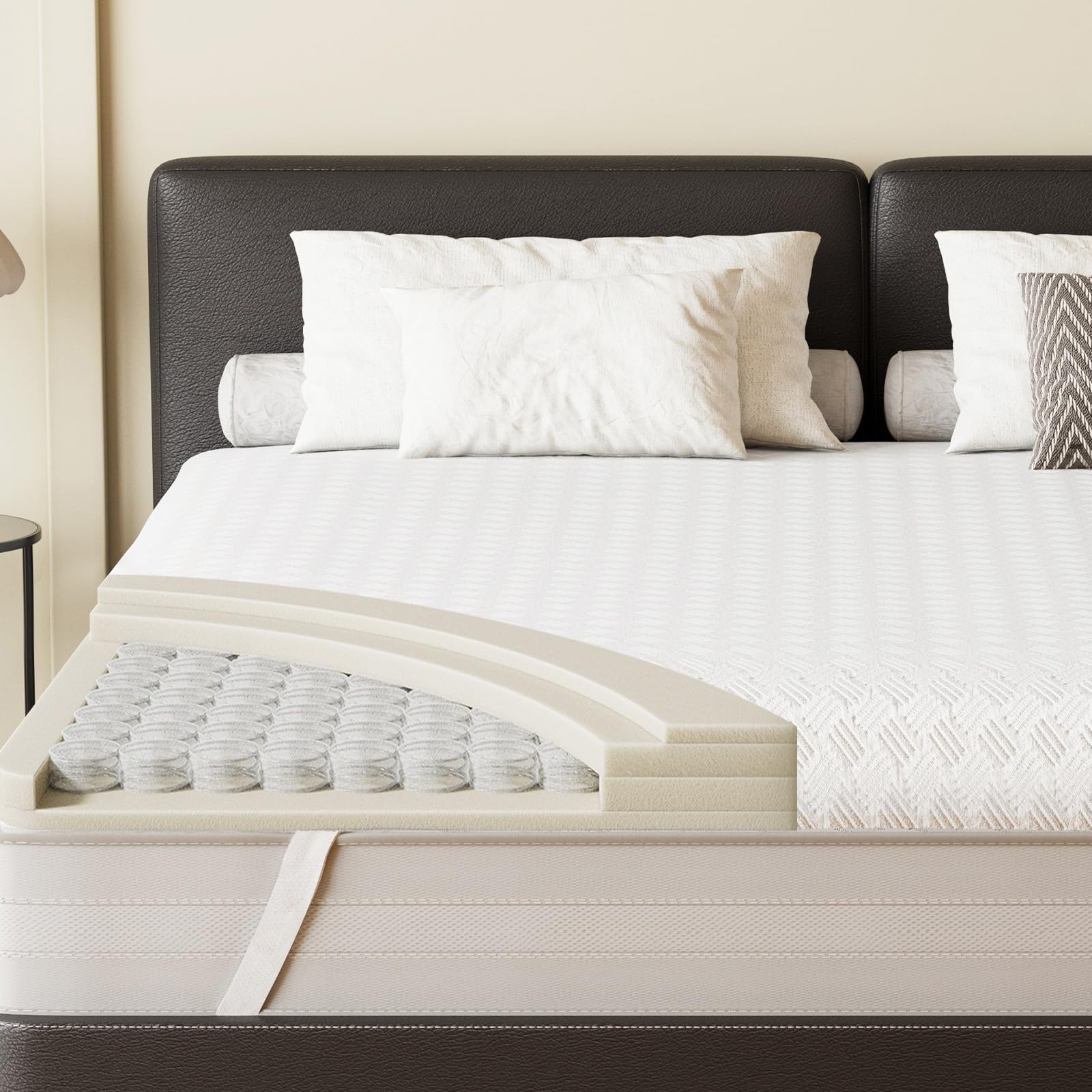
Combine multiple fixes into a hybrid solution for the ultimate balance of support and softness. This approach mimics premium mattress construction.
Step-by-Step Hybrid Fix
- Unzip the futon cover completely.
- Remove all old lumpy filling inside.
- Insert a 4-inch high-density foam core.
- Add a 1-inch memory foam topper on top.
- Resew the cover securely.
Expert Note: This layered method creates a hotel-quality sleep surface that resists sagging effectively.
Frequently Asked Questions About Fixing Futon Mattresses
Can I use Poli-Fil to restuff my sagging futon?
No, Poli-Fil is not dense enough to support body weight and will quickly flatten. It is better suited for decorative pillows than sleeping surfaces.
How thick should the foam insert be for a futon?
Aim for a high-density foam slab that is 3 to 4 inches thick for optimal support. Thinner foams may compress too easily under daily use.
Is it cheaper to fix or replace a futon mattress?
Fixing is cheaper initially but replacement offers better value if repair costs exceed $100. New mattresses often last 5+ years while repairs may only last 1–2 years.
Where can I buy affordable memory foam toppers?
Major retailers like Walmart, Target, and Amazon sell inexpensive 1-inch memory foam toppers. These are perfect for layering inside a futon cover.
How do I know if my futon frame is the problem?
Check if the fabric dips between slats when you sit down. If the frame feels wobbly or the slats are bent the foundation needs reinforcement.
Key Takeaways for Fixing Your Futon Mattress
Restoring a sagging futon is often possible by replacing the core with high-density foam or adding memory layers. Regular maintenance like flipping and airing out the mattress will extend its life significantly.
If repair costs get too high or the frame is damaged investing in a new unit around $139 may be your best option. Start by checking for a zipper and assessing your current filling to choose the right path forward.