
How to Make a Japanese Futon
You stare at your new Japanese bedding, confused by a cover with a large hole in the center. Many people struggle to figure out how to make a Japanese futon without leaving the fabric loose or misaligned. This unique design is intentional and allows for a snug fit that Western mattresses do not require.
You can master this quick setup routine in less than ninety seconds with the right technique. This guide explains exactly how to position the shikibuton and fit the pechidata cover correctly. You will learn to create a clean, traditional sleep space ready for immediate use.
Position the Shikibuton on a Clean Surface
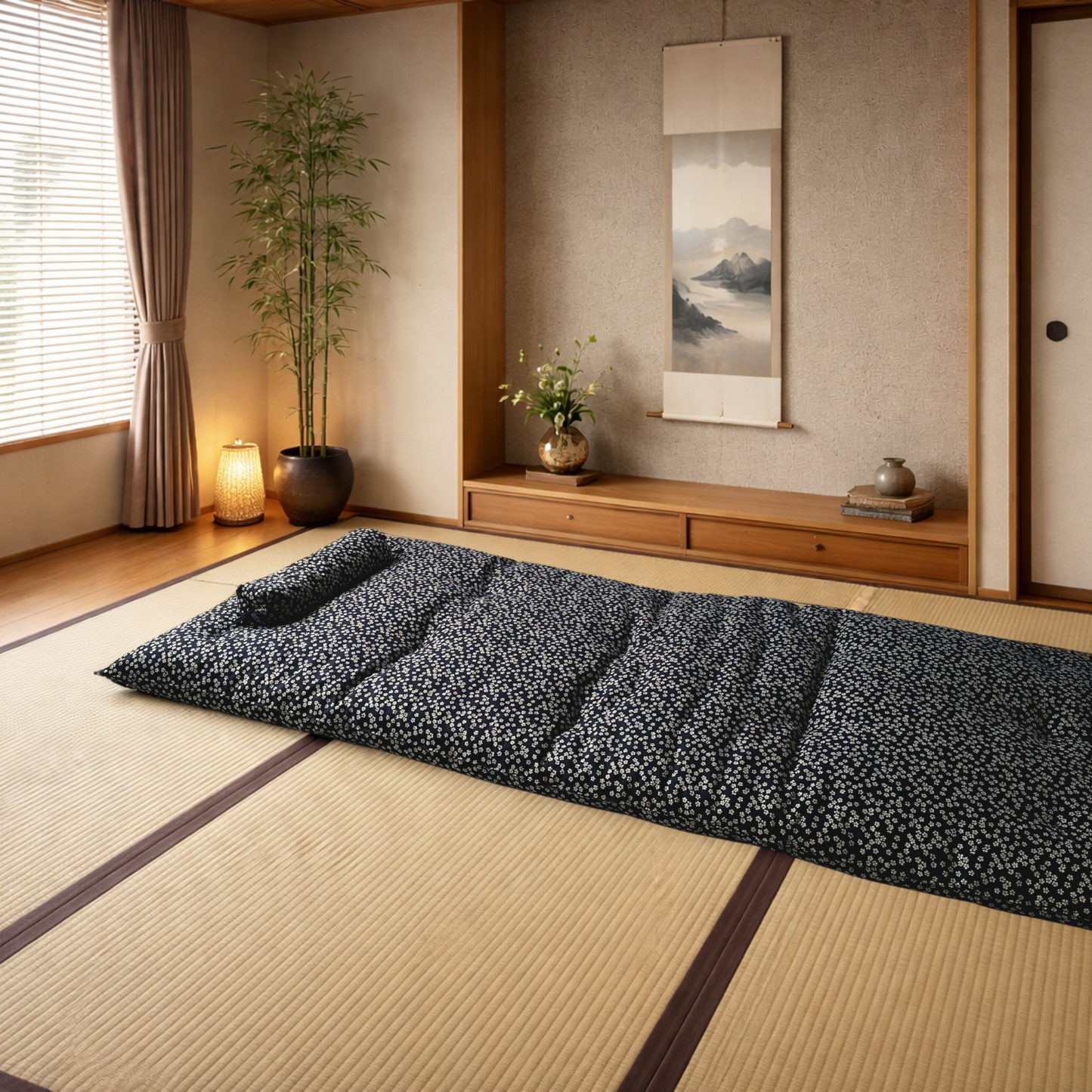
The foundation of your sleep system is the shikibuton, a firm mattress designed for floor placement. You must start with a dry, flat area to ensure proper support and airflow beneath the bedding. Avoid dragging the mattress across tatami mats to prevent surface damage or tearing.
Align the Mattress Edges
Unroll the shikibuton completely so it lies flat without any curled edges. Position it perpendicular to a wall or closet to make morning storage much easier. Ensure the head end is clearly identified before adding any layers.
Pro Tip: Flip your shikibuton once a month to distribute wear evenly and prevent sagging over time.
Layer the Protective White Sheet
Hygiene is critical when sleeping close to the floor, so a barrier layer is essential. You need to place a clean white sheet between your body and the mattress surface. This layer protects the expensive mattress from sweat, dust, and daily odors.
Smooth Out All Folds
Lay the provided cotton sheet smoothly over the entire surface of the shikibuton. Center it carefully so the edges hang evenly on all four sides. This sheet is your first defense against stains and is far easier to wash than the outer cover.
Why this matters: Japanese futons are not flipped like Western beds, making this sheet vital for keeping the core clean.
Fit the Pechidata Cover with Precision
The pechidata is a specialized cover featuring a distinct hole in the middle of one end. This design is not a defect but a functional element that aids in fitting the cover tightly. You must orient this piece correctly to avoid frustration during the tucking process.
Align the Hole at the Head
Place the pechidata over the mattress with the hole positioned at the top end. This opening should align with where your shoulders and head will rest during sleep. The hole acts as a gusset that allows the fabric to stretch and tuck neatly into corners.
Visual cue: If the hole ends up at your feet, you have flipped the cover and will struggle to tuck it properly.
Tuck the Corners Inside the Mattress
Securing the cover requires pulling the fabric inward rather than wrapping it around the outside. This specific tucking method creates the crisp, hotel-like finish associated with traditional Japanese rooms. You must work systematically to ensure even tension across the entire surface.
Pull Fabric Downward and Inward
Grab one corner of the pechidata and pull it down through the inside edge of the shikibuton. Push the fabric deep into the space between the mattress and the floor. Repeat this motion for all four corners while maintaining consistent pressure.
- Work in a clockwise direction for consistency
- Tug gently to avoid tearing the fabric seams
- Ensure even tension so the cover lies perfectly flat
Common mistake: Pulling the fabric outward under the mattress base instead of tucking it inside the edges.
Finalize Your Sleeping Surface
Your futon is now assembled, but a few final adjustments ensure maximum comfort for the night. The white sheet should be the topmost layer that touches your skin while you sleep. The pechidata remains hidden beneath, acting as a secure anchor for the whole system.
Adjust Seasonal Bedding Layers
- Winter: Place a heavy duvet or kakebuton over you for warmth
- Summer: Use a lightweight cotton cover or cooling mat
- Always use a low pillow to maintain proper neck alignment
Expert note: In Japan, futons are aired daily in the sun for two hours to prevent mold and refresh fibers.
Understand the Purpose of the Central Hole
Many users wonder why a cover would be designed with an open space in the middle. The hole serves multiple functional purposes that improve the overall performance of the bedding. It transforms a simple piece of fabric into a highly efficient mattress protector.
Enable a Snug and Breathable Fit
The central hole allows the pechidata to stretch diagonally across the mattress width. This design prevents the fabric from bunching up during the tucking process. It creates a tight seal that keeps the sheet in place throughout the night.
Promote Essential Air Circulation
Unlike sealed Western protectors, this open design lets air flow through the mattress layers. Reduced moisture buildup is critical for preventing mildew in humid climates. This breathability extends the lifespan of your shikibuton significantly.
Speed Up the Daily Setup Routine
With less fabric resistance, you can position and tuck the cover in seconds. This efficiency is why the entire process of learning how to make a Japanese futon takes under 90 seconds. You save time every morning while maintaining a tidy room.
Troubleshoot Common Setup Errors
Even with simple instructions, small mistakes can ruin the smooth finish of your bed. Identifying these issues quickly helps you correct them before they become habitual. Most problems stem from minor alignment errors during the initial placement.
Fix Wrinkles After Tucking
Cause: Misaligned placement or loose tucks during installation
Fix: Re-center the cover completely and re-tuck each corner with firm pressure
Correct Hole Placement Errors
Cause: Cover flipped incorrectly with the hole at the foot end
Fix: Remove the cover and reposition it with the hole at the head end
Prevent Sheet Shifting During Use
Cause: Sheet not secured under the pechidata layer
Fix: Tuck sheet edges slightly under the mattress before adding the outer cover
Pro tip: If your sheet slips often, use a tiny amount of fabric-safe adhesive spray on the underside corners.
Maintain Your Futon for Longevity
Japanese futons are built to last for years, but only if you follow proper care routines. Daily maintenance prevents mustiness and keeps the materials fresh and inviting. Neglecting these steps can lead to premature wear or unpleasant odors.
Air It Out Every Morning
After waking, stand the shikibuton upright against a wall immediately. This exposes both sides to air and prevents moisture from getting trapped inside. Regular airing is the single most important step in futon care.
Vacuum Monthly for Dust Removal
Use a low-suction setting to remove dust from the pechidata and shikibuton surface. Never wash the mattress itself as moisture can cause internal mildew growth. Stick to dry cleaning methods for the core components.
Wash the Sheet Weekly
Keep your sleeping surface fresh by laundering the white sheet regularly. Use a mild detergent and air dry to preserve the cotton fibers. This simple habit keeps your sleep environment hygienic.
Warning: Never machine-wash the pechidata or shikibuton unless the manufacturer explicitly states it is safe.
Store Properly During Daylight Hours
One of the biggest benefits of this bedding style is its ability to save space. Proper storage during the day keeps your living area versatile and uncluttered. You can convert a bedroom into a living room instantly with this system.
Fold and Stand Upright
After use, fold the futon in half or roll it up tightly. Store it in a closet, against a wall, or in a dedicated futon cabinet. This practice keeps the floor space open for other daily activities.
Use a Breathable Storage Bag
Protect your bedding from dust with a cotton storage sack. Avoid plastic bags entirely as they trap moisture and encourage mold growth. Breathable materials allow the futon to continue airing even while stored.
Bonus: Daily storage keeps your room multipurpose, which is perfect for studios or guest rooms.
Upgrade Your Setup for Comfort
While traditional futons are simple, you can add layers to enhance your personal comfort. Small upgrades can make the experience feel more luxurious without losing the traditional benefits. These additions are optional but highly recommended for specific needs.
Add a Thin Underpad
Place a moisture-wicking foam layer under the shikibuton if your floor is cold. This adds a buffer against uneven surfaces and provides extra insulation. It is especially useful in older homes with drafty floors.
Use a Custom Pechidata
Some brands offer pechidata covers in different colors or natural fabrics. You can find options in linen or organic cotton while keeping the functional hole design. This allows you to match your decor without sacrificing function.
Try a Heated Mat for Winter
In winter, place a low-voltage heated mat beneath the shikibuton for warmth. This provides gentle heat without the need for heavy blankets. It creates a cozy sleeping environment during cold months.
Note: Always unplug heated mats before folding or storing the futon to prevent fire hazards.
Frequently Asked Questions About Making a Japanese Futon
How long does it take to make a Japanese futon?
You can complete the entire setup process in under 90 seconds once you learn the technique. The simple two-step system of placing the sheet and tucking the pechidata is designed for speed.
Why does the pechidata cover have a hole in it?
The hole allows the cover to stretch diagonally for a snug fit and better air circulation. It prevents fabric bunching and makes the tucking process much faster and easier.
Can I wash the shikibuton mattress in a machine?
No, you should never machine-wash the shikibuton as moisture causes mildew inside. Only wash the white sheet and spot clean the mattress surface with a vacuum.
What surface should I place the futon on?
Place the shikibuton on a clean, dry floor or tatami mat for the best results. Avoid damp surfaces and ensure the area is free of debris to protect the mattress bottom.
How often should I air out my Japanese futon?
You should air out your futon daily by standing it upright against a wall. On sunny days, hanging it outside for two to three hours helps prevent mold and refreshes the fabric.
Key Takeaways for Making Your Japanese Futon
Mastering how to make a Japanese futon transforms your daily routine into a quick and efficient ritual. By positioning the shikibuton correctly and tucking the pechidata inward, you create a clean and comfortable sleep space. Remember to air your bedding daily and store it properly to ensure it lasts for years.
Start your journey to minimalist living by practicing this 90-second setup today. With just a little practice, you will enjoy the same restful sleep found in traditional Japanese homes. Roll out your mattress, tuck the corners, and rest easy knowing your bed is perfectly prepared.