
How to Fix a Futon Couch
A broken futon couch creates an immediate safety hazard when the frame cracks or collapses during conversion from sofa to bed. Most structural failures in high-end wooden models involve cracked pivoting legs or split rails that simple glue cannot fix permanently.
This guide details exactly how to fix a futon couch by replacing weak soft wood with durable hard maple and reinforcing joints with steel-backed clamping systems. You will learn professional techniques to restore stability and prevent future collapse without buying a new unit.
Identify Critical Failure Points on Your Frame
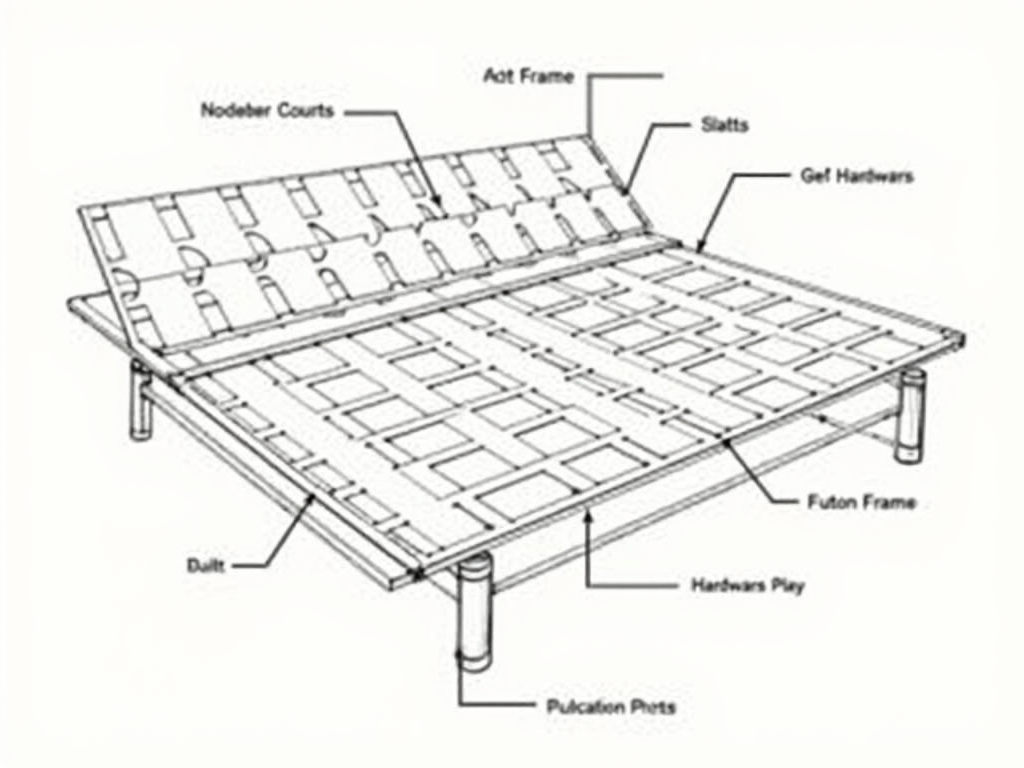
Most futon disasters happen at specific high-stress mechanical junctions where leverage is highest. Identifying the exact location of the break determines whether you need a full replacement part or a structural reinforcement strategy.
Inspect Pivoting Support Legs for Cracks
Check the legs that act as stretchers and hinge at the top of the frame. On soft wood models, these commonly crack right at the pivot point due to repeated stress from opening and closing.
* Look for visible splits where the leg connects to the main frame.
* Watch for misalignment when converting the bed position.
* Notice if one side drops faster than the other during use.
Examine Mortise and Tenon Joint Integrity
On hardwood benches, inspect the front rails where slats attach for cracks running along the dowel line. These failures often start at knot holes or screw locations where tension concentrates.
* Spot long cracks parallel to the grain extending into screw holes.
* Check for gaps forming between the slats and the main rail.
* Observe if the rails are spreading apart over time.
Choose the Right Repair Strategy by Material
Your approach depends entirely on the frame material and the specific type of failure you identified. Using the wrong method on soft wood versus hardwood leads to repeated breakage.
Replace Soft Wood Legs Entirely
If the pivoting leg on a soft wood frame is broken, replacement is far more effective than attempting to glue it back together. The original wood lacks the durability needed for repeated stress cycles.
* Fabricate a new leg from hard maple to resist cracking.
* Upgrade the component to last years longer than the original.
* Treat this as a permanent upgrade rather than a temporary patch.
Reinforce Hardwood Rails with Backing Plates
For cracked hardwood rails, reinforcement beats full replacement of the entire rail structure. The goal is to stop the joint from spreading by adding structural backing.
* Use a custom-cut oak plate bolted into existing glue blocks.
* Turn the rail and blocks into one solid structural unit.
* Eliminate future movement that causes the crack to reopen.
Replace a Broken Support Leg with Hard Maple
Fixing a cracked leg restores the ability of your futon to lock safely into bed mode. This process requires precise fabrication to ensure smooth operation.
Cut a Hard Maple Replacement Piece
Source a piece of hard maple from a local supplier or online retailer. It must match the original leg dimensions exactly to function correctly within the mechanism.
* Replicate the routed hinge channel for smooth movement.
* Match the pin hole location at the foot of the leg.
* Ensure perfect symmetry with the opposite side of the frame.
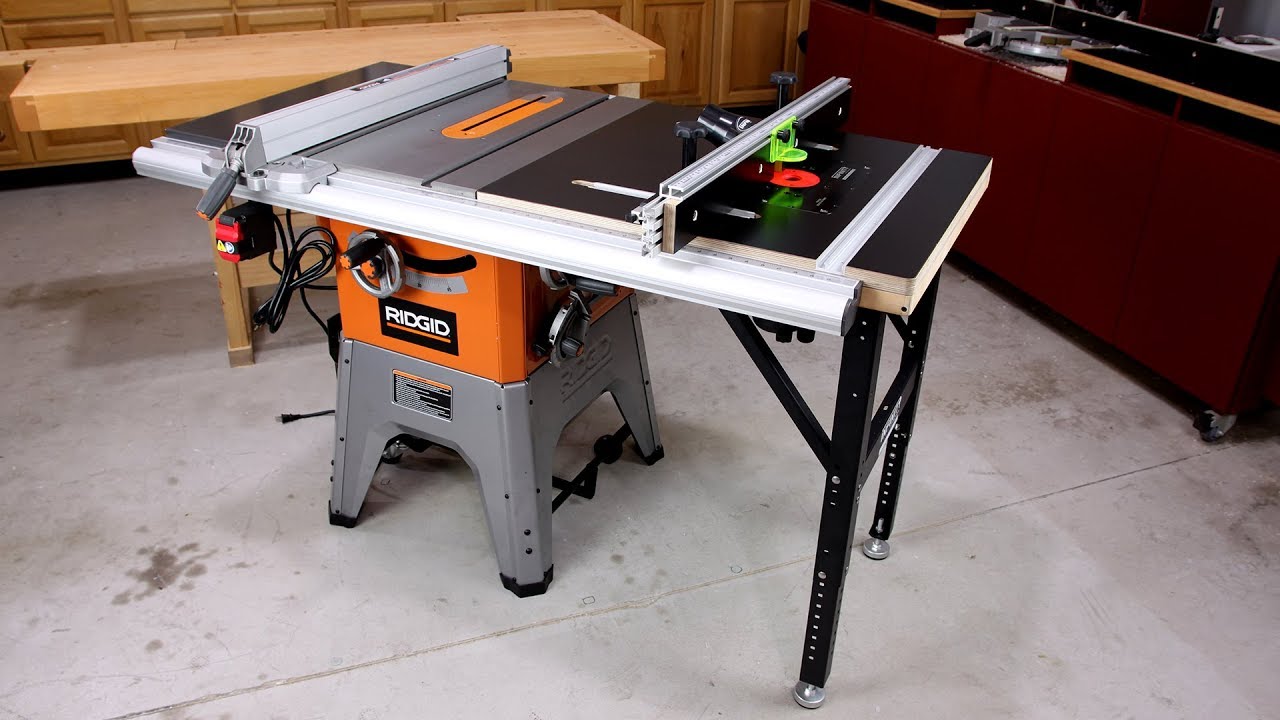
Use a table saw and router to shape the piece then sand it smooth before installation. Test-fit the leg without glue first to confirm it slides into place and aligns with the pivot pin.
Secure the New Leg with Countersunk Screws
Position the new leg and drive two countersunk screws from the bottom to hide the hardware. This maintains clean aesthetics while ensuring a tight fit.
* Verify screws do not hit the internal pin mechanism.
* Confirm the leg drops freely when the futon unfolds.
* Check that both sides move in perfect sync.
Once installed, test the conversion mechanism five to ten times to confirm smooth operation without binding.
Reinforce a Cracked Rail Joint Effectively
A split rail compromises the entire frame integrity and requires a multi-stage clamping system to fix properly. You must close the gap completely before adding permanent reinforcement.
Prepare an Oak Backing Plate
Cut a scrap oak plate to span the full length of the cracked rail for maximum support. It should be at least three-quarters of an inch thick to resist bending under load.
* Drill holes in the plate to align with existing glue blocks.
* Position holes about one-third from each end behind the slats.
* Design the plate to become a permanent structural brace.
Apply the Strong Back Clamping System
To close the crack fully without bowing the wood, use a steel strong back and multiple clamps. This setup ensures even pressure across the entire fracture line.
* Place a one-inch steel tube under the frame beneath the crack.
* Lay wax paper underneath to protect against adhesive drips.
* Use a splinter clamp on top to keep the surface flat.
* Add modified Bessie clamps on the sides for tight grip in narrow spaces.
* Finish with a large pipe clamp to pull the joint closed completely.
If the crack will not close, reassess your alignment rather than forcing it. Uneven pressure can worsen the split and ruin the repair.
Glue Fill and Bolt the Assembly
Once the joint is flush, apply thin even wood glue to the crack surfaces. Insert temporary wood screws to hold alignment while the adhesive cures for twenty-four hours.
* Remove screws and fill micro-gaps with stainable wood putty.
* Sand the area smooth and stain to match the surrounding wood.
* Bolt the oak plate to the glue blocks using carriage bolts.
This final bolting step locks everything together and prevents future spreading of the rails.
Upgrade Materials for Longevity and Strength
Do not just fix the break. Improve the design by using superior materials that prevent repeat failures in high-stress zones.
Upgrade from Soft Wood to Hard Maple
Original soft wood legs fail quickly under stress because they lack tensile strength. Hard maple handles these loads far better and resists humidity-related warping.
* Cost is only about twenty dollars for a replacement piece.
* Durability increases significantly compared to original materials.
* The upgrade corrects a common manufacturing flaw.
Use Stainable Wood Putty for Gaps
High-quality wood putty fills hidden voids left by shattered fibers during the break. Choose a product that stays workable in the can and sands easily.
* Ensure the putty accepts stain to match your frame color.
* Use it to make repairs invisible to the naked eye.
* Apply only after clamping to fill remaining microscopic voids.
Reinforce with Steel and Oak Components
The steel strong back proves the need for added rigidity in the design. By permanently bolting an oak backing plate, you correct the original design flaw.
* The original single dowel could not resist spreading forces.
* Your repair eliminates this weakness entirely.
* The result is a frame stronger than the factory original.
Test and Validate the Repair Work

A successful fix must pass real-world stress tests before you return the futon to regular daily use. Skipping this step risks injury or immediate re-breakage.
Load Test the Frame Structure
Place your full weight on the futon in both sofa and bed positions carefully. Pay close attention to any creaking, shifting, or feelings of instability.
* Ensure the support leg engages fully without slipping.
* Check that the rail feels solid and does not flex.
* Repeat the open and close cycle ten or more times.
Check for Symmetry in Operation
Both sides of the frame must operate in unison to distribute weight evenly. If one leg lags or one rail lifts higher, recheck your alignment immediately.
* Asymmetry leads to uneven stress on the new repair.
* Uneven stress causes future failure at the same spot.
* Adjust clamping or screw placement if movement is not smooth.
Prevent Future Breaks and Structural Failures
Even a perfect repair can fail if environmental conditions or usage patterns do not change. Proactive maintenance extends the life of your restored furniture.
Monitor High-Stress Zones Regularly
Inspect pivot points and rail joints every three to six months for early warning signs. Catching problems early prevents catastrophic structural failure.
* Look for new hairline cracks forming near repairs.
* Tighten any loose screws found during inspection.
* Watch for gaps opening around knot holes or dowel lines.
Control Humidity Exposure
Soft wood frames warp and crack easily in dry or damp environments. Keep your futon in a climate-controlled room to maintain wood stability.
* Use a humidifier in winter if the air gets too dry.
* Avoid placing the futon near heating vents or windows.
* Maintain consistent indoor humidity levels year-round.
Avoid Overloading the Frame
While repaired frames are stronger, do not exceed reasonable weight limits for the furniture type. Jumping or standing on the bed accelerates wear on all joints.
* Treat the repaired area with care during the first month.
* Educate family members on proper usage of the mechanism.
* Distribute weight evenly across the entire sleeping surface.
Frequently Asked Questions About Futon Repair
Can I fix a broken futon leg with just wood glue?
No, wood glue alone is rarely sufficient for pivoting legs because the original soft wood lacks durability. You should replace the broken leg with hard maple to ensure it withstands repeated stress without cracking again.
What type of wood is best for replacing futon parts?
Hard maple is the recommended material for replacing broken support legs. It offers superior stress resistance and durability compared to the original soft wood found in many utilitarian frames.
How do I stop a futon rail from spreading apart?
You must install a custom oak backing plate bolted into the existing glue blocks. This creates a single structural unit that prevents the rails from spreading under tension.
Is it worth repairing an old wooden futon frame?
Yes, especially for high-end pieces valued between five hundred and one thousand dollars. Repair costs are typically under thirty-five dollars, making restoration a cost-effective solution.
What clamping method works best for cracked rails?
Use a multi-stage system including a steel strong back, splinter clamps, and a large pipe clamp. This combination ensures even pressure to close complex fractures without bowing the wood.
Key Takeaways for Fixing Your Futon Couch
Repairing a futon couch requires more than simple gluing. You must identify the failure point, choose the right strategy, and use superior materials like hard maple and oak backing plates.
By following these steps, you transform a dangerous broken frame into a durable asset. Start by inspecting your pivot points and rails today to begin your restoration project.