
How to Wash Sleep Mask: Quick Steps
You rely on your sleep mask every night to block out light and help you fall asleep faster. Over time oils from your skin and sweat build up on the fabric leading to irritation and odors. Knowing how to wash sleep mask items properly is essential for hygiene and extending their lifespan.
This guide teaches you step-by-step cleaning methods for silk cotton gel and memory foam types. You will discover what to avoid and how often to clean your mask to keep it in top condition. These proven techniques ensure your mask stays fresh and soft without damaging the fabric.
Hand Wash Silk Sleep Masks Gently

Silk sleep masks are popular for their smooth texture and skin-friendly benefits. They demand special care because machine washing can ruin delicate fibers. This process prevents snags and shrinkage that often occur with harsh agitation.
Use Cold Water and Mild Detergent
Fill a clean basin with cold water and add a few drops of gentle sulfate-free detergent. Choose a product designed specifically for delicates or silk fabrics. Submerge the mask and swirl it gently for 30 to 60 seconds. Avoid rubbing or twisting the fabric as this can cause permanent damage.
Rinse and Dry Flat to Preserve Shape
Drain the soapy water and refill the basin with fresh cold water to rinse. Repeat this step until no suds remain on the fabric surface. Press out excess water gently but never wring the material. Lay the mask flat on a clean towel and roll it up to absorb moisture. Unroll the towel and let the mask air dry away from direct sunlight.
Clean Cotton and Polyester Masks Efficiently
Most standard sleep masks made from cotton or polyester blends are durable. These materials handle more rigorous cleaning methods than silk or gel types. You can often use your washing machine for these items with the right settings.
Machine Wash on Gentle Cycle
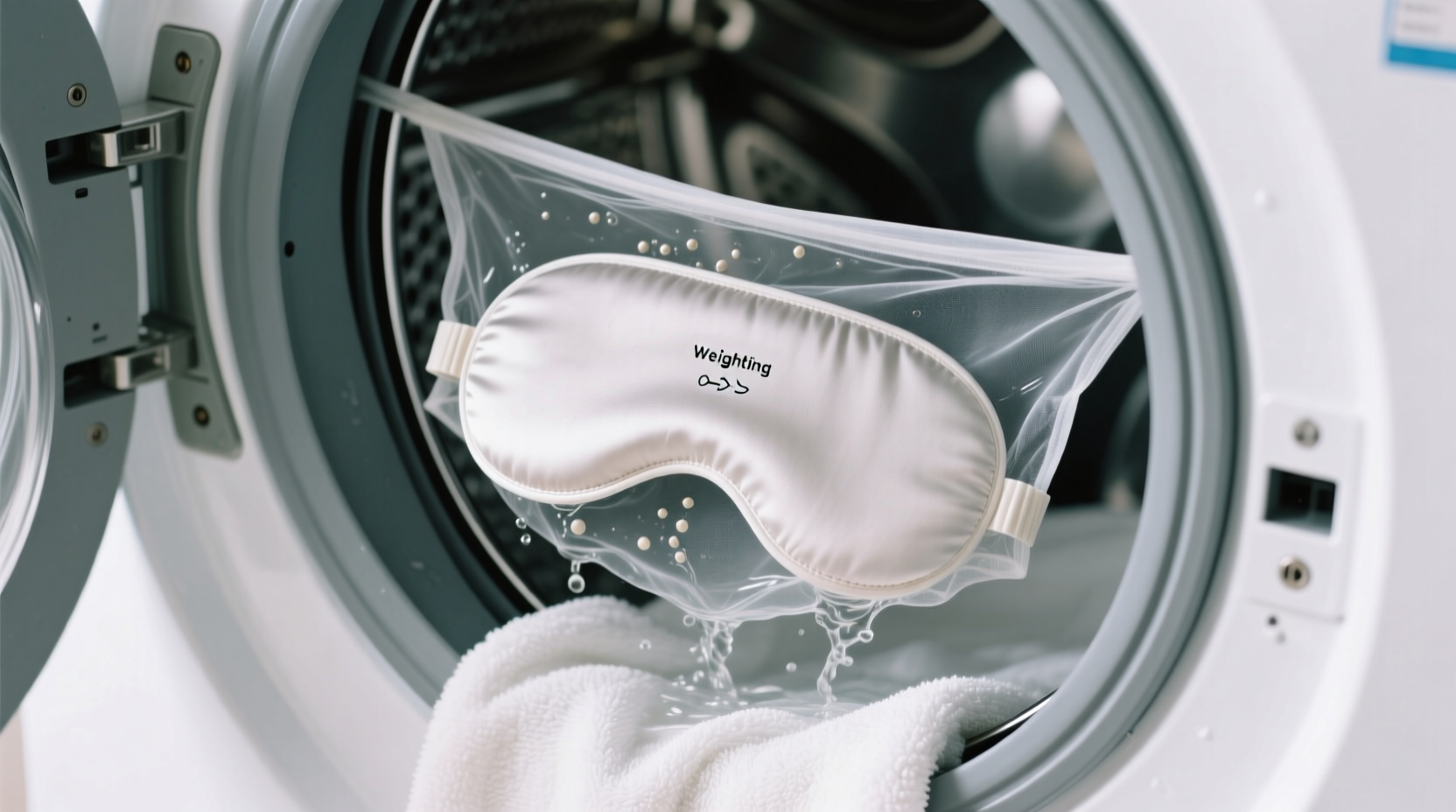
Place the mask in a mesh laundry bag to protect it from agitation during the wash. Use cold water and a mild detergent for best results. Select the gentle cycle on your washing machine to minimize stress on the fibers. Skip fabric softeners since they can degrade elastic bands and leave residue.
Air Dry or Use Low Heat Tumble
Reshape the mask after washing and air dry it flat if possible. If you must use a dryer select the low heat setting immediately. Remove the mask while it is still slightly damp to prevent over-drying. High heat can melt padding or weaken the strap elasticity significantly.
Care for Gel and Cooling Masks Carefully
Gel-infused sleep masks help reduce puffiness and regulate temperature effectively. They cannot be fully submerged like other types without risking damage. Moisture seeping into the internal layers can ruin the cooling properties.
Spot Clean Only to Protect Gel Layers
Never soak or machine wash a gel sleep mask under any circumstances. Use a soft cloth dampened with cold water and mild soap instead. Gently wipe the surface focusing on areas that touch your skin directly. Avoid getting the edges or seams wet to protect the internal gel layer.
Sanitize with Disinfecting Wipes
Use alcohol-free disinfecting wipes safe for sensitive skin for quick cleaning between uses. Let the surface dry completely before storing the mask away. Do not use bleach or abrasive cleaners on these specialized items. This method keeps your mask hygienic without compromising the gel structure.
Maintain Memory Foam Masks Properly

Some sleep masks contain memory foam padding for contouring comfort. Foam retains odors and moisture if you do not clean it properly. Improper care can lead to mold growth or persistent bad smells.
Remove Cover Before Washing
Take off the cover if your mask has a removable one. Wash the cover separately according to its specific fabric type. The foam insert itself should never be soaked in water. Hand wash or use a gentle machine cycle for the fabric cover only.
Deodorize the Foam Core Safely
Sprinkle baking soda lightly over the foam to absorb odors effectively. Let it sit for 15 to 30 minutes before removing it. Gently brush it off with a soft dry cloth. Use a barely damp cloth with a drop of mild soap for surface cleaning only.
Determine Wash Frequency by Use
How often you clean your sleep mask depends on your usage habits. Your skin type also plays a major role in buildup speed. Following a schedule prevents bacteria from accumulating on the fabric.
Nightly Users Need Weekly Cleaning
Wear your mask every night requires washing it at least once a week. This frequency prevents buildup of oils and bacteria on the material. Regular cleaning ensures the mask remains safe for your skin and eyes.
Occasional Use Requires Less Frequent Washing
Clean your mask every two to three weeks for part-time use. Always wash it after an illness or if it becomes visibly soiled. This approach balances hygiene with fabric preservation for infrequent users.
Post-Travel or Shared Use Needs Immediate Action
Clean your mask immediately after travel or if someone else uses it. This eliminates germs and environmental pollutants picked up during transit. Quick action prevents cross-contamination and keeps your sleep environment healthy.
Avoid These Common Mistakes
Even with good intentions improper cleaning can shorten your sleep mask life. Many people make simple errors that ruin the materials quickly. Awareness of these pitfalls saves money and maintains comfort.
Never Use Hot Water on Delicate Fabrics
Hot water can shrink delicate fabrics and melt adhesive layers inside the mask. It may also warp gel inserts permanently. Always use cold or lukewarm water for all cleaning processes.
Skip the Bleach Entirely
Bleach weakens fibers and can discolor dyes especially in silk or printed masks. It may also irritate sensitive skin upon reuse. Stick to mild detergents designed for delicate fabrics.
Don’t Overdry Your Sleep Mask
Excessive heat from dryers or direct sunlight can crack gel layers. It can also degrade elastic straps and make fabrics brittle. Air drying is the safest option for all sleep mask types.
Storage Tips After Washing
Proper storage keeps your clean mask hygienic and ready for use. Where you keep it matters just as much as how you wash it. Good habits prevent re-contamination before your next use.
Keep in a Clean Dry Place
Store your mask in a drawer or pouch away from dust and moisture. Avoid leaving it in humid areas like bathrooms. Damp environments encourage mold growth and unpleasant odors.
Use a Protective Pouch
Many sleep masks come with a small storage bag for this purpose. Use it to prevent lint dirt and crushing of the shape. This is especially important for contoured or gel models.
When to Replace Your Sleep Mask
Even with proper care sleep masks wear out over time. Recognizing when to buy a new one ensures continued sleep quality. Ignoring wear and tear can lead to skin issues.
Signs It’s Time to Replace
Look for thinning fabric or stretched-out straps that no longer fit well. Check for lingering odors after washing or lumps in gel and memory foam. Replace the mask if it no longer blocks light effectively.
Average Lifespan of Sleep Masks
Most sleep masks last 6 to 12 months with regular use and correct cleaning. Silk masks may last longer if hand washed carefully. Gel models may degrade faster with exposure to moisture over time.
Frequently Asked Questions About Washing Sleep Masks
Can I put my silk sleep mask in the washing machine?
No you should never machine wash silk sleep masks. The agitation and spin cycles can ruin the delicate fibers causing snags or shrinkage. Hand washing with cold water and mild detergent is the only safe method.
How do I clean a sleep mask with gel inserts?
You must spot clean gel masks using a damp cloth and mild soap. Never submerge them in water or put them in the washing machine. Moisture inside the mask can damage the gel layer and reduce effectiveness.
How often should I wash my sleep mask?
Nightly users should wash their mask once a week to prevent oil buildup. Occasional users can clean theirs every two to three weeks. Always wash immediately after illness or if the mask gets dirty.
Is it safe to use bleach on my sleep mask?
No bleach is not safe for sleep masks as it weakens fibers and discolors fabric. It can also irritate your skin and eyes during future use. Use mild detergents designed for delicate fabrics instead.
Can I tumble dry my memory foam sleep mask?
You should avoid tumble drying memory foam masks as heat can damage the foam structure. Air drying is the recommended method to preserve the shape and comfort. High heat can also melt adhesives or warp the mask.
Key Takeaways for How to Wash Sleep Mask Items
Knowing how to wash sleep mask materials correctly ensures better sleep hygiene and extends product life. Match your cleaning method to the specific fabric type such as silk cotton or gel. Always avoid hot water bleach and high heat to prevent damage.
Clean your mask regularly based on how often you use it. Store it in a dry place using a protective pouch when possible. Replace your mask every 6 to 12 months or when signs of wear appear.