
How to Recline a Futon
If you’ve ever wrestled with a stubborn futon that refuses to fold or heard an alarming clunk mid-motion, you’re not alone. Learning how to recline a futon correctly transforms a frustrating chore into a quick, seamless transition. Whether you own a wooden, backload, or bi-fold frame, each design has a specific method that prevents damage, reduces physical strain, and extends your furniture’s lifespan. This guide walks you through the exact steps for every frame type, covers safe body mechanics, and shares expert maintenance tips.
Let’s walk through the correct way to recline any futon without the struggle.
Identify Your Futon Frame Type

Before you attempt to recline, you need to know what you’re working with. The technique varies significantly based on the frame’s design.
Wooden Futon Frames
Wooden futons use a simple hinge system with no side locks. They typically feature a built-in headboard and footboard, folding directly from sofa to bed. Reclining is straightforward but requires lifting and controlled folding motions.
Backload Futon Frames
Backload models use a side-mounted locking mechanism. You must unlock the frame before closing it and apply specific body positioning to open or close it safely. This style needs more clearance from the wall and precise technique.
Standard Bi-Fold Futon Frames
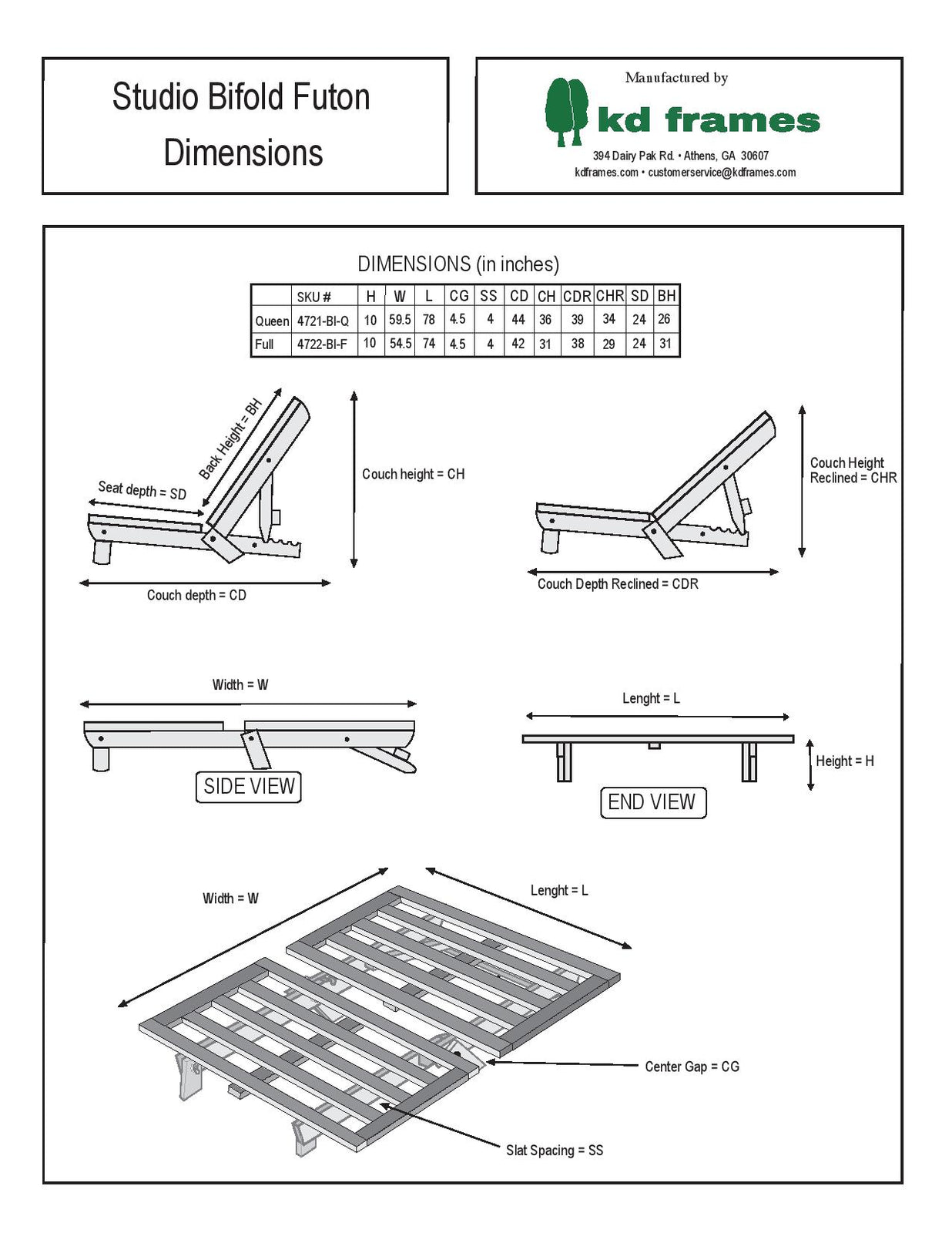
Bi-fold frames offer three positions: upright couch, lounge (reclined seat), and full bed. They use a dual-lock system that engages at different points as you slide the frame forward or backward.
Prepare the Area Before Reclining
A few quick checks before you start can save you from wall dents and floor scratches.
Check Wall Clearance
Clear space behind the futon to avoid damage:
- Backload frames: Need 6 to 7 inches of space from the wall.
- Wooden and bi-fold frames: Slide forward slightly to begin movement. Ensure nothing blocks the path.
Protect Flooring and Frame
Lift the front edge slightly when moving the futon. This prevents scraping floors and protects the frame’s finish. Never drag the futon across the floor.
Recline to Full Bed Position
Each frame type uses a slightly different motion to reach full bed position.
Wooden Futon: Fold-Down Method
- Slide away from the wall just enough to allow folding.
- Grasp the front edge and lift upward while releasing the back support.
- Lower the frame smoothly until it lies flat. The headboard and footboard will align automatically.
⚠️ Pro Tip: Use both hands and bend your knees to reduce back strain.
Backload Futon: Unlock and Extend
- Pull down on the seat portion to release the lock.
- Guide the frame forward until fully extended.
- Push with your leg to lock it into place. Avoid using your back.
✅ The frame will click when secure. If it doesn’t lock, realign and try again.
Bi-Fold Futon: Slide, Lift, and Lock
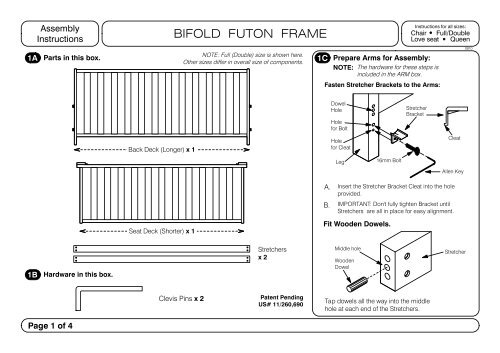
- Push the frame forward until it catches at the second set of locks.
- Lift the front edge slightly to clear the locking mechanism.
- Control the rear weight. The back end is heavy, so guide it down slowly.
- Pull back slightly to disengage the final lock. The mattress stays attached.
🔄 This motion takes practice. Take it slowly the first few times.
Use the Lounge or Reclining Seat Position
Many futons offer an intermediate lounge mode, perfect for watching TV or napping.
Bi-Fold Futon Lounge Mode
- Slide forward until the first click. This is the reclined seating position.
- Do not lift the front edge fully. Stop when resistance increases slightly.
- Sit back and enjoy a semi-reclined angle.
Backload Futon Recline Option
- Pull down the seat and stop at the first click.
- This position functions as a deep lounge seat, ideal for relaxing.
- To go to full bed, continue pulling down past the first lock.
❗ Never force the mechanism. If it resists, double-check alignment.
Return to Sofa Position
Reversing the motion requires just as much care as opening the futon.
Wooden Futon: Fold Back Safely
- Lift the back to release the locking mechanism.
- Push the center inward while guiding the frame upward.
- Listen for the click that confirms it’s locked in couch mode.
✅ Ensure the frame is flush and stable before sitting.
Backload Futon: Unlock First
- Pull the frame back slightly to disengage the lock.
- Stand to the side and apply upward pressure with one hand.
- Use your other hand to guide the frame inward smoothly.
- Push forward with your leg while lifting the back.
- Lock with a solid click. Do not force it.
⚠️ Never attempt to close without unlocking first. This can bend the mechanism.
Bi-Fold Futon: Slide Back into Place
- Lift the front edge to release the lock.
- Push the frame backward until it clicks into the upright position.
- Check that the seat retracts fully and the mattress is aligned.
🔄 If it doesn’t click, lift slightly and try again. Misalignment is common.
Master the Right Body Mechanics
Good form protects both you and your furniture.
Use Legs, Not Back
- Push with your leg when locking the frame, especially on backload models.
- This reduces strain and improves control.
Lift the Front Edge
- Always lift the front edge slightly before sliding or folding.
- This prevents stress on hinges and keeps the track aligned.
Control Heavy Rear Sections
- The back of the futon is heavier than the front.
- Use both hands, bend your knees, and lower it slowly to avoid sudden drops.
Work from the Side
- For backload frames, approach from the side when unlocking.
- This gives better leverage and prevents awkward twisting.
Avoid Common Mistakes
A few simple errors can shorten the life of your futon.
Skipping the Unlock Step
- Backload futons must be unlocked before closing.
- Forcing them shut causes permanent damage to the mechanism.
Ignoring Wall Clearance
- Not leaving enough space leads to wall dents, paint damage, or frame warping.
Rushing the Motion
- Sudden movements can misalign locks or bend metal parts.
- Always move slowly and deliberately.
Letting the Back Drop
- Allowing the backrest to fall freely stresses the frame.
- Guide it down by hand every time.
Prevent Damage and Extend Lifespan
Routine care keeps your futon working smoothly for years.
Clean and Inspect Monthly
- Wipe down hinges and locks.
- Look for loose screws or worn parts.
Lubricate Moving Parts Every 3 to 6 Months
- Use silicone-based lubricant on hinges and sliders.
- Avoid oil-based products, as they attract dust.
Tighten Screws and Bolts
- Check all connections every few months.
- Loose hardware causes wobbling and misalignment.
Keep the Path Clear
- Remove rugs, cords, or furniture that block movement.
- A clean path ensures smooth transitions.
Safety Tips for All Users
A few precautions keep everyone in your home safe.
Prevent Personal Injury
- Bend your knees, not your back, when lifting.
- Use leg strength to push the frame into place.
- If the futon feels too heavy, ask for help. Don’t risk injury.
Protect Children and Pets
- Keep kids and pets clear during transitions.
- Moving parts can pinch fingers or trap toes.
Watch for Wear and Tear
- If the frame no longer clicks securely, stop using it.
- Worn locks or bent metal can fail suddenly.
Best Uses for Each Position
Match the futon position to your activity for maximum comfort.
Upright Sofa Mode
- Daily seating in living rooms or studios.
- Ideal for conversation, reading, or casual lounging.
Lounge or Reclining Seat Mode
- TV watching, napping, or relaxing.
- Offers deeper support than upright seating.
Fully Flat Bed Mode
- Overnight guests or extended rest.
- Ensure the mattress is comfortable for sleeping.
🛏️ Pair with a memory foam topper for better sleep quality.
Quick Reference for Reclining by Frame Type
| Frame Type | To Recline to Bed | To Return to Sofa |
|---|---|---|
| Wooden | Slide from wall, lift front, fold down | Lift back, push center, click into place |
| Backload | Pull down seat, extend, push with leg | Pull back to unlock, push forward with leg, click to lock |
| Bi-Fold | Slide forward, lift front, control rear, pull back | Lift front, slide backward, retract seat, click into place |
📋 Print this table and keep it near your futon for quick access.
Key Takeaways for Reclining Your Futon With Confidence
- Practice the motion a few times when the futon is new.
- Teach others in your home the correct method.
- Never force the mechanism. If it resists, check alignment.
- Invest in a high-quality frame. Cheap models wear out faster.
Knowing how to recline a futon the right way turns a frustrating task into a seamless part of your daily routine. Whether you’re prepping for guests or just want to relax in lounge mode, using the correct technique protects your furniture and your body. With a little practice and routine maintenance, your futon will transition smoothly for years to come.
Frequently Asked Questions About Reclining a Futon
How much wall clearance do I need to recline a futon?
Backload futon frames need 6 to 7 inches of space from the wall before reclining. Wooden and bi-fold frames need enough room to slide forward slightly without obstruction.
Can I recline a futon without unlocking it first?
You should never try to close a backload futon without unlocking it first. Forcing the frame shut can bend the locking mechanism and cause permanent damage.
What is the lounge position on a futon?
The lounge position is an intermediate reclined seating angle between upright sofa and full bed. On bi-fold frames, it engages at the first lock point. On backload frames, it is the first click when opening.
How do I prevent my futon from scratching the floor?
Always lift the front edge slightly when moving the futon. Dragging it across the floor can damage both the flooring and the frame’s finish.
How often should I lubricate my futon hinges?
Lubricate hinges and sliders every 3 to 6 months using a silicone-based lubricant. Avoid oil-based products, which attract dust and grime.
What should I do if my futon won’t lock into place?
Stop and check for misalignment. Lift the front edge slightly and try again. If the frame still won’t click, inspect for worn or bent parts and stop using it until repaired.