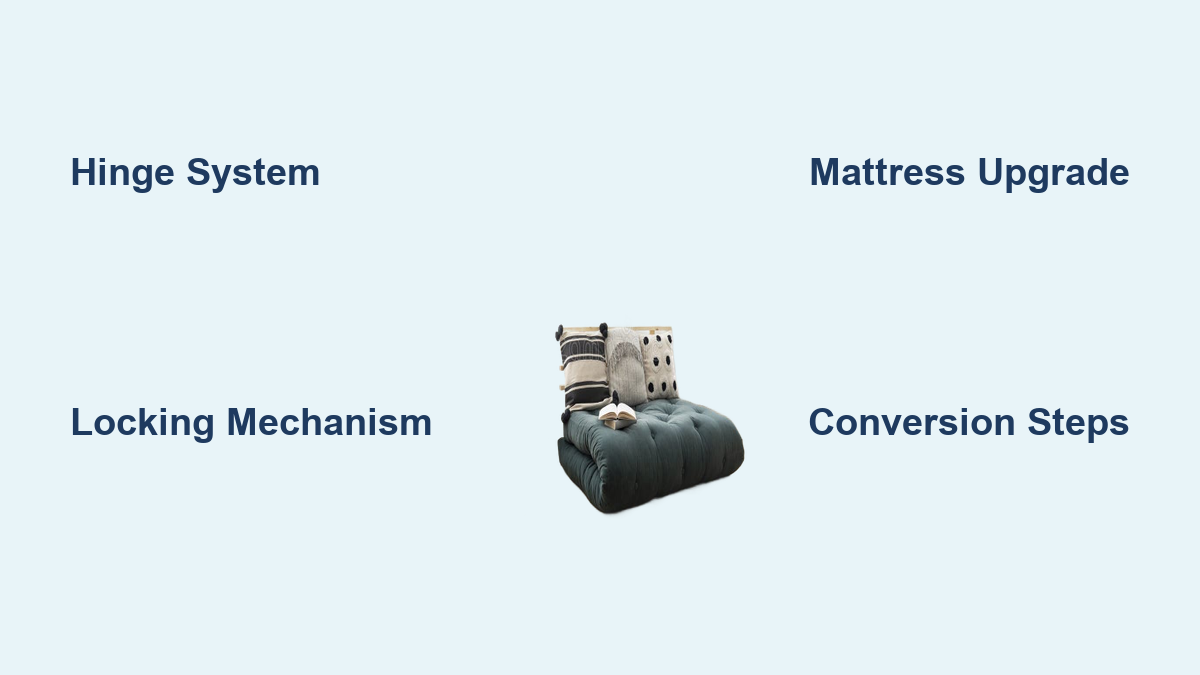
How Does a Futon Bed Work
A futon bed is one of the most versatile pieces of furniture you can own, transforming from a comfortable couch into a flat sleeping surface in seconds. If you’ve ever wondered how does a futon bed work, the answer lies in a clever hinged frame system that uses pivots and locking catches to switch between two configurations. This engineering makes futons ideal for small apartments, guest rooms, dorms, and any space where flexibility matters.
In this guide, you’ll learn the inner mechanics of a futon bed frame, how to convert it properly between sofa and bed modes, and practical tips to boost comfort and extend its lifespan. Whether you own a wooden or metal futon, mastering the basics helps you use it safely and get the most out of this dual-purpose furniture.
The Core Mechanism Behind Every Futon Bed
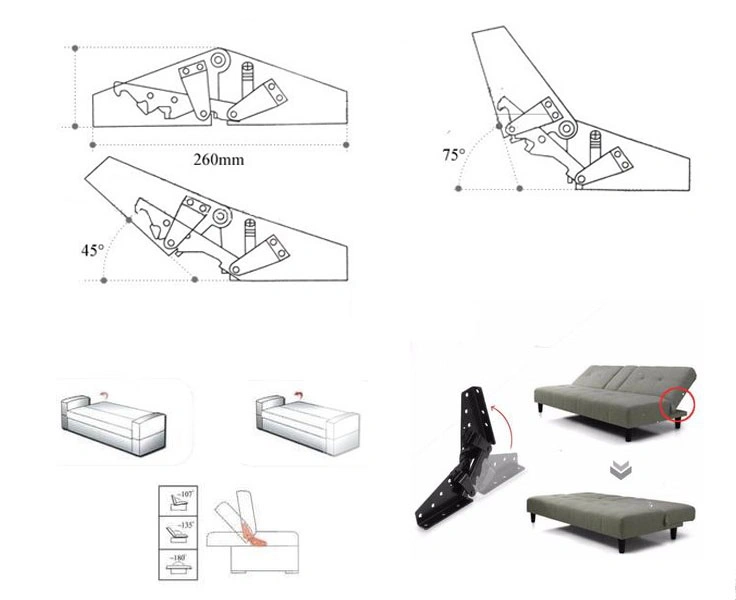
Hinges, Pivots, and Locking Catches
The heart of every futon bed is a multi-pivot hinge system that allows smooth transitions between sofa and bed positions. The frame consists of interconnected sections, typically front, middle, and back, that rotate around central pivot points. When you convert the futon, these sections move along a fixed arc while the mattress stays attached to the structure.
A latch or catch system secures the frame in both positions. When fully opened into bed mode or folded into sofa mode, the frame produces an audible click that signals the lock has engaged. This audible confirmation is one of the most reliable ways to know your futon is safely secured.
Why the Design Works So Well
The futon mechanism is engineered for tool-free operation. You don’t need screws, bolts, or extra hardware to switch modes. With practice, the entire conversion takes under 30 seconds. The system is also designed to work consistently across different frame sizes, meaning once you learn the technique on one futon, you can operate any model confidently.
Frame Types and Materials Explained
Wooden Frames: Durability and Style
Wooden futon frames offer sturdiness, natural aesthetics, and long-term durability. Many feature built-in headboards and footboards that provide structural support without needing extra foundation pieces. This integrated design eliminates the need for additional slats or box springs in most cases. The trade-off is weight, as wooden frames are heavier and less portable than their metal counterparts.
Metal Frames: Lightweight and Portable
Metal futon frames are lighter and easier to move, making them ideal for frequent conversions or temporary setups. While functional and often more affordable, metal frames may produce more noise during use and require tighter maintenance to prevent loosening over time. They may also need external support like slats or a platform base to prevent sagging, especially when paired with thicker mattresses.
Both frame types use the same basic hinge-and-lock mechanism, ensuring reliable operation regardless of which material you choose.
Converting a Futon to Bed Mode
Step-by-Step Setup Process
Follow these steps to safely open your futon into a sleeping surface:
- Pull the futon away from the wall to create 6 to 8 inches of clearance.
- Slide the frame forward slightly to disengage the rear locking mechanism.
- Lift the front edge while pushing it forward to activate the pivot system.
- Guide the frame forward until it lies flat and clicks into place.
- Check mattress alignment and adjust if it shifted during motion.
Visual Cues That Confirm Proper Locking
Look for these signs that your futon is securely in bed mode:
- A distinct click when the frame settles into position
- Even gaps between frame segments
- No wobbling or lifting at the joints
If the futon doesn’t lock securely, repeat the process. Misalignment is often caused by insufficient clearance or rushing the motion.
Returning the Futon to Sofa Mode
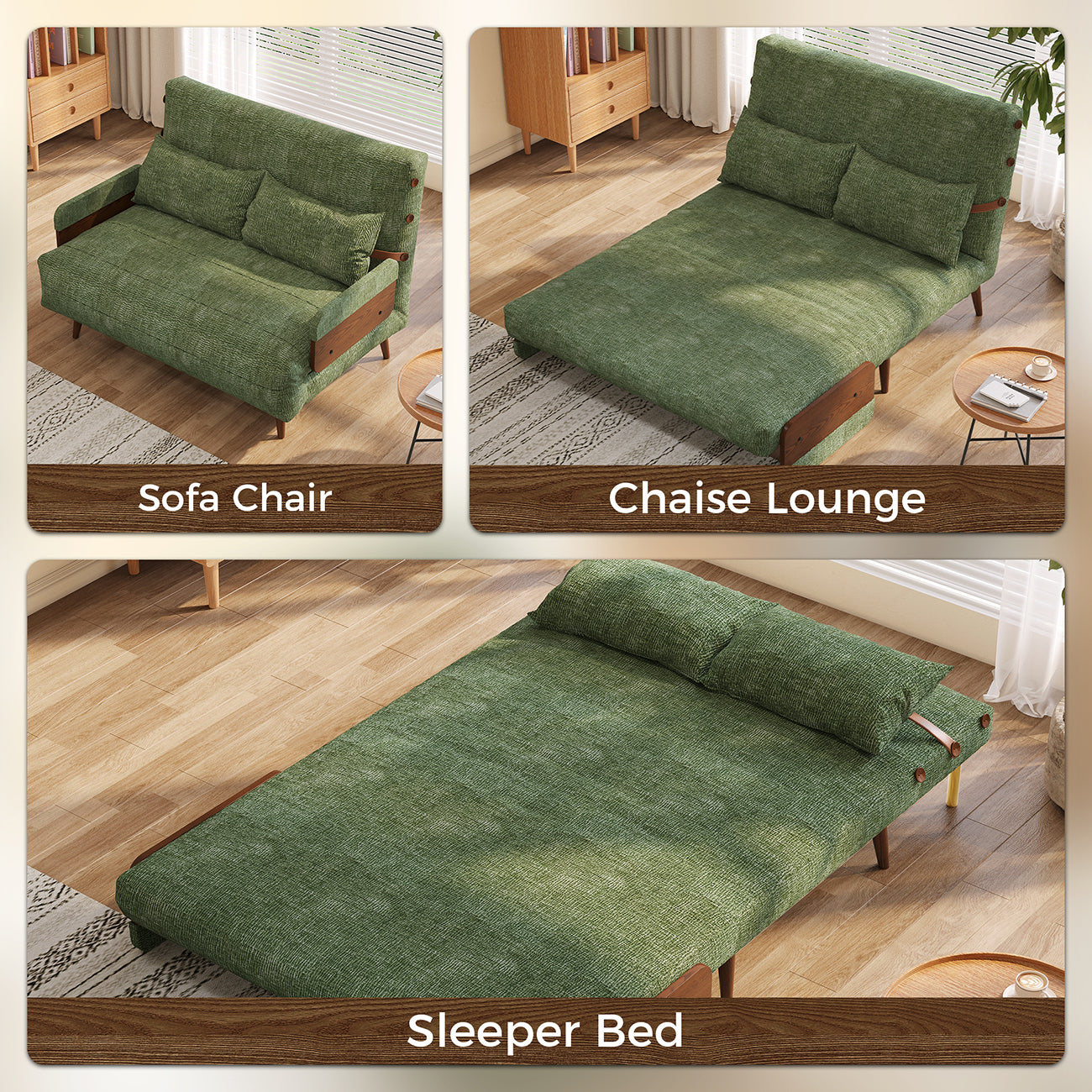
Conversion Steps for Smaller Frames
For single or two-seater futons, the process is straightforward:
- Place one hand at the back of the frame and one in the center for balance.
- Apply firm upward pressure while guiding the frame forward.
- Push smoothly backward toward the wall in a controlled motion.
- Listen for the click that confirms the sofa position is locked.
Avoid letting the backrest drop suddenly. It is heavy and can damage flooring or pinch fingers.
Conversion Steps for Larger Frames
Trio and twin size futons require extra care during conversion:
- Fold the mattress over the seat section to protect it during transition.
- Lift from the back to release the locking mechanism.
- Hold the mattress underneath as the frame moves.
- Guide the mattress around so it rotates into place.
- Pull the frame back to the wall and tuck in the base fabric for a clean appearance.
Frame Size Consistency Across All Models
Universal Conversion Design
Whether you own a small double, standard double, or trio futon, the core mechanism remains consistent. All sizes use the same hinge system, locking action, and slide-and-lift conversion method. This standardization is one of the biggest advantages of futon design, as it means you don’t need to relearn techniques when switching between sizes.
Handling Tips for Heavier Frames
Larger futons, especially wooden models, can be heavy. When converting:
- Use both hands for control
- Lift with your legs, not your back
- Clear the surrounding area to avoid tripping
Practice the motion slowly at first to build muscle memory and prevent strain.
Maximizing Comfort When Used as a Bed
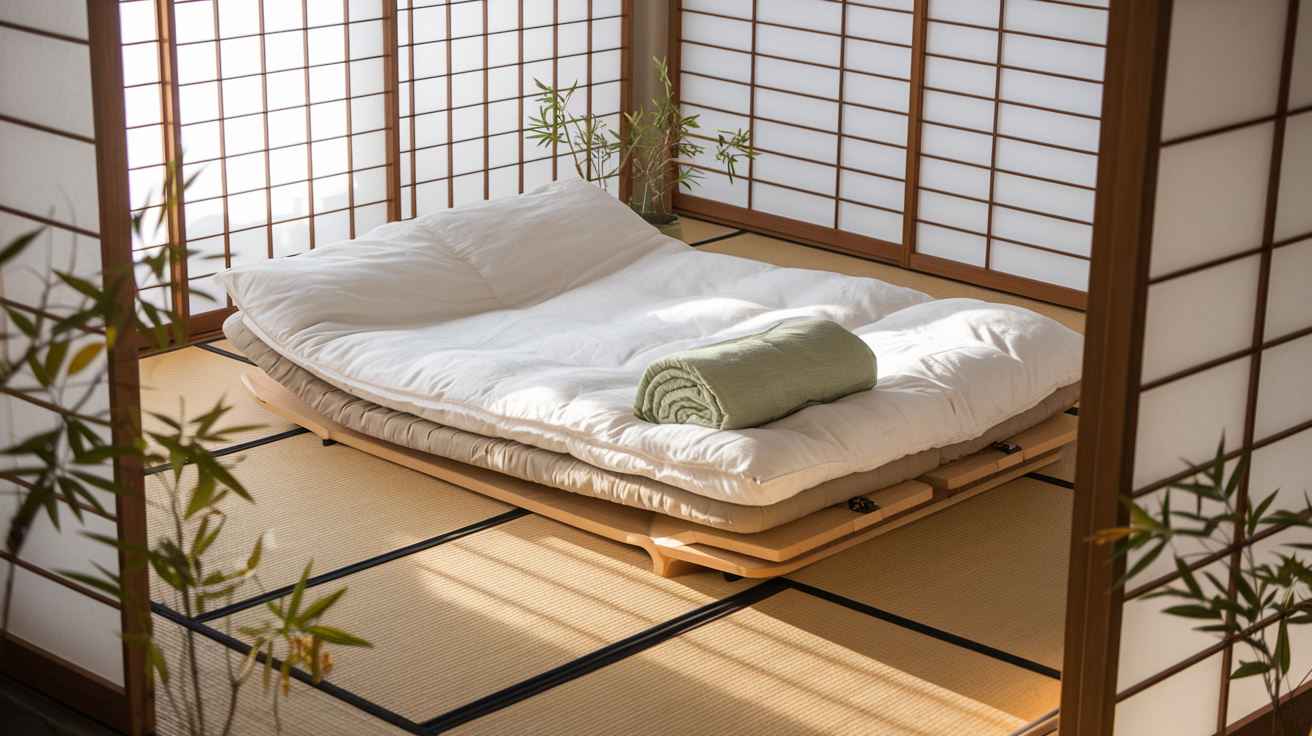
Upgrade the Mattress
Most futons come with thin, spring-based mattresses suitable for occasional use. For better sleep, consider these upgrades:
- Replace the mattress with a 3 to 6 inch foam or memory foam option
- Choose the correct size (twin, full, or queen) to match your frame
- Add a mattress topper for extra cushioning without full replacement
Thicker mattresses improve support but must still allow full frame movement. Make sure your new mattress doesn’t interfere with the folding mechanism.
Add Support Underneath
Even with built-in support, adding structure can enhance comfort:
- Install wooden slats or a platform base beneath the frame
- Use anti-slip pads to prevent mattress shifting
- For metal frames, add a reinforced foundation to reduce sagging over time
Avoid standard box springs unless your frame is rated for the added weight.
Use Proper Bedding
Make the futon feel like a real bed with the right accessories:
- Fit with a tight-fitting sheet that stays in place during conversion
- Layer with a mattress pad, duvet, and pillows
- Store bedding in a nearby chest or ottoman for quick setup
Creating a Permanent Bed Setup

Disable the Folding Mechanism
If you plan to use your futon solely as a bed, you can simplify the setup:
- Lock the frame in the open position permanently
- Secure hinges with clips or brackets if available
- Place the futon on a solid platform or bed base for stability
This prevents accidental folding and increases long-term comfort.
Secure the Frame in Place
To stop movement during sleep:
- Attach anti-slip pads under the frame feet
- Anchor the frame to the wall for added safety
- Use a non-slip rug pad between the floor and frame
Pair these steps with a high-quality foam mattress for consistent support night after night.
Maintenance and Daily Use Tips
Keep Sofa Mode Looking Neat
After converting back to couch mode, take a moment to tidy up:
- Tuck in loose fabric at the base of the frame
- Smooth out wrinkles in the mattress cover
- Fluff any seat cushions if present
A tidy appearance helps the futon blend seamlessly into living rooms or shared spaces.
Prevent Wear and Tear
Extend your futon’s lifespan with regular care:
- Lubricate hinges every 6 months using silicone spray
- Tighten bolts annually to prevent wobbling
- Avoid jumping or standing on the frame
- Never force the mechanism; if it resists, realign before proceeding
Clean the mattress regularly and rotate it every few months to prevent uneven wear.
Troubleshooting Common Futon Issues
Frame Won’t Lock into Place
The most common cause is misalignment or debris in the lock mechanism. To fix this:
- Ensure the futon is pulled far enough from the wall
- Clean the pivot points and check for obstructions
- Try the conversion slowly, guiding each section into position
Mattress Shifts During Use
A lack of grip between the mattress and frame is usually the culprit. Solutions include:
- Attach non-slip pads to the top of the frame
- Use a mattress with a grippy bottom, such as rubberized fabric
- Secure with mattress straps if your model supports them
Squeaking or Stiff Movement
Dry or loose hinges typically cause these symptoms. To resolve:
- Apply silicone-based lubricant to all pivot points
- Tighten all visible screws and bolts
- Avoid oil-based lubricants, as they attract dust
Frequently Asked Questions About Futon Beds
How long does it take to convert a futon bed?
With practice, converting a futon bed takes under 30 seconds. The mechanism is designed for quick, tool-free transitions between sofa and bed modes. Beginners may need a minute or two at first, but the motion becomes intuitive after a few uses.
Can any mattress fit on a futon bed?
Not every mattress works on a futon bed. The mattress must match the frame dimensions (typically twin, full, or queen) and remain thin enough to allow full folding. Foam and memory foam mattresses between 3 and 6 inches thick are popular choices because they balance comfort with flexibility.
Are futon beds comfortable for everyday sleeping?
Futon beds can be comfortable for daily use if you upgrade the mattress and add proper support. Standard futon mattresses are thin and better suited for occasional guests. Replacing them with foam or memory foam and adding slats or a platform base significantly improves sleep quality.
Do all futon frames convert the same way?
Yes, the basic conversion method is consistent across most futon frames. Whether you have a wooden or metal frame in any size, the process involves lifting, sliding, and locking the frame into place. Larger models may require extra steps to manage the mattress during transition.
How do I stop my futon mattress from sliding?
To prevent mattress shifting, attach non-slip pads to the top of the frame or choose a mattress with a rubberized bottom. Mattress straps can also help secure the mattress in place during conversions and use.
Can I use a box spring with a futon bed?
Using a box spring with a futon bed is possible but not common. You must verify that the frame can handle the extra weight and height. Many futon frames are designed to work without a box spring, so adding one may interfere with the folding mechanism.
Final Thoughts on How a Futon Bed Works
Understanding how does a futon bed work comes down to recognizing its clever mechanical design. The hinged frame, locking system, and integrated mattress work together to deliver quick, tool-free transitions between sofa and bed modes. Whether you choose a solid wooden frame for durability or a lightweight metal version for portability, the core operation remains intuitive and reliable.
To get the most out of your futon, focus on three key practices. First, learn the proper conversion technique to avoid damaging the locks. Second, invest in a better mattress if you plan to sleep on it regularly. Third, perform simple maintenance like lubricating hinges and tightening bolts to extend the frame’s lifespan.
For anyone balancing function, space, and comfort, a futon bed is more than just a piece of furniture. It is a smart living solution built to adapt to your needs, day after day.