
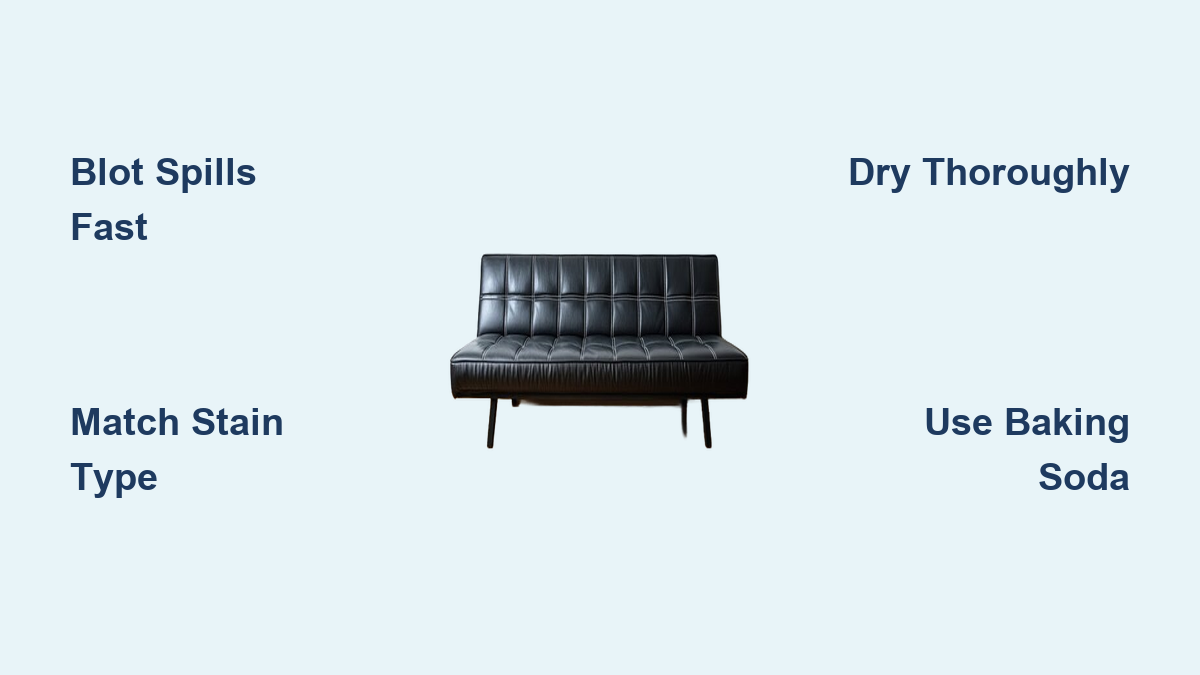
How to Clean a Futon Couch
Spilled drinks or pet accidents can quickly ruin the look and smell of your favorite seating area. Learning how to clean a futon couch properly saves you from costly replacements and keeps your home hygienic.
This guide details safe methods to spot clean, remove tough stains, and dry your mattress without causing mold. You will discover specific techniques for different stain types and long-term maintenance tips to protect your investment.
Act Fast on Fresh Spills and Stains

Immediate action is the most critical factor in saving your futon from permanent damage. Liquids soak into the padding quickly, so you must extract moisture before it sets deep within the fibers.
Blot Liquids Using Upward Pressure
Grab paper towels or a clean microfiber cloth and press down firmly on the spill. Use a lifting motion to pull liquid out rather than rubbing, which pushes the mess deeper. Repeat this process until the towel comes away mostly dry.
Test Cleaning Solutions First
Mix a few drops of mild laundry detergent with warm water for a gentle cleaning agent. Dampen a cloth with this solution and test it on a hidden corner of the fabric. Wait a few minutes to ensure no discoloration or damage occurs before proceeding.
Vacuum Before Applying Liquid
Remove any loose debris by vacuuming the area with an upholstery attachment. This prevents dirt from turning into mud when you apply your cleaning solution. Focus on seams and folds where crumbs often hide.
Remove Tough Stains with Targeted Solutions
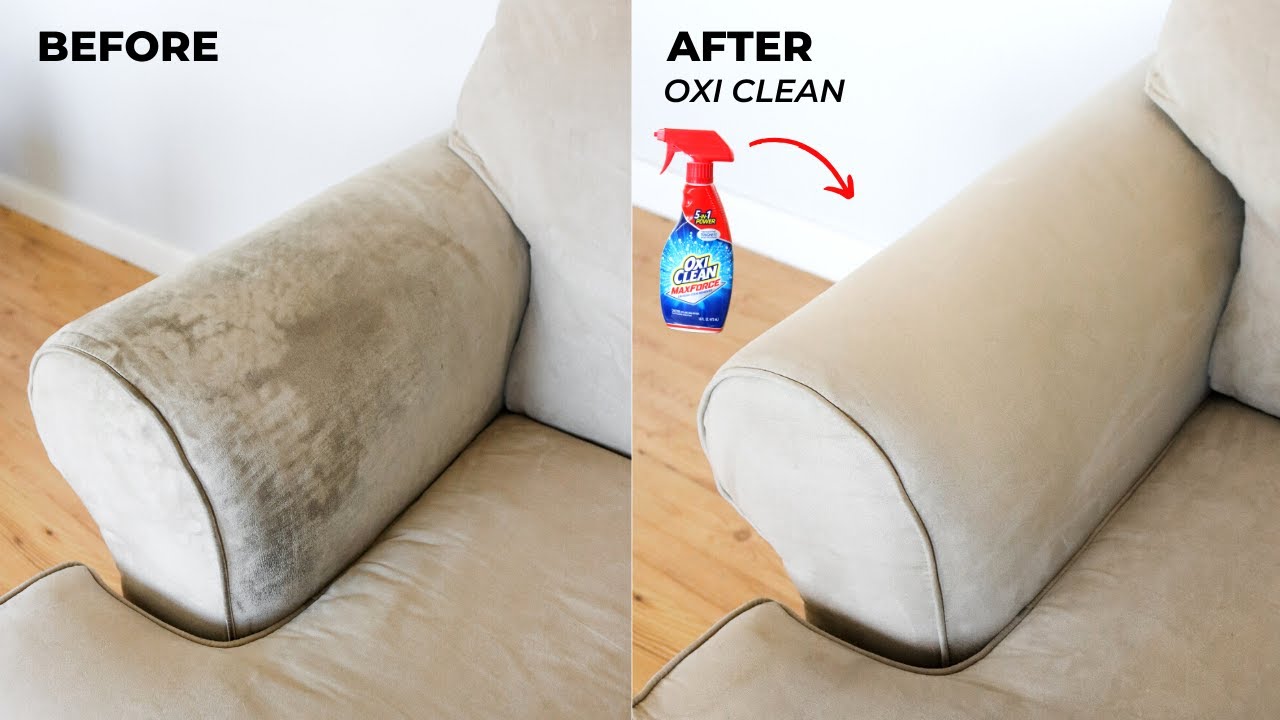
Different messes require specific treatments to ensure complete removal without damaging the fabric. Using the wrong cleaner can set a stain permanently or make odors worse.
Match Cleaner to Stain Type
Select your cleaning agent based on what caused the stain for the best results.
* Food or drink: Use a mixture of equal parts white vinegar and water.
* Pet urine: Apply an enzyme-based cleaner specifically designed for biological waste.
* Mold or mildew: Treat with a solution of equal parts water and rubbing alcohol.
* Body oils: Combine baking soda with hydrogen peroxide for deep cleaning.
Apply Hydrogen Peroxide Mixture
Organic stains like blood or sweat respond well to a foaming action that lifts grime.
1. Sprinkle a layer of baking soda directly over the stained area.
2. Mix ¼ cup of 3% hydrogen peroxide with 1 teaspoon of dish soap.
3. Pour the liquid slowly over the baking soda to create a foam.
4. Let the mixture sit for 15 minutes to break down proteins.
5. Blot thoroughly with a dry towel until the area is no longer wet.
Avoid Soaking the Mattress
Never pour cleaning solutions directly onto the futon or saturate the fabric. Excess moisture leads to internal rot and mold growth that is difficult to fix. Always use a damp cloth and apply minimal liquid.
Dry Your Futon Thoroughly to Stop Mold

Proper drying is essential because wet padding creates a breeding ground for bacteria and mildew. Rushing this step can ruin the internal structure of your mattress.
Air Dry for 12 to 24 Hours
Leave the futon fully unfolded in a room with good air circulation. Open windows or run fans to help moisture evaporate from the fabric and padding. Do not use the furniture until it feels completely dry to the touch.
Use Low Heat for Faster Results
You can speed up the process by using a hair dryer on a low-heat setting. Hold the dryer 6 to 8 inches away from the surface and move it constantly to avoid scorching. Indirect sunlight also helps kill bacteria while drying the fabric.
Check for Hidden Dampness
Press a dry white towel against the cleaned spot to check for remaining moisture. If the towel picks up any dampness or leaves a mark, continue drying the area. Trapped water causes musty smells that are hard to remove later.
Deodorize Naturally with Baking Soda
Even after stains are gone, odors from pets, smoke, or sweat may linger in the fibers. Baking soda acts as a natural neutralizer that absorbs these smells without harsh chemicals.
Sprinkle and Let Sit
Cover the entire surface of the dry futon with a thin, even layer of baking soda. Allow it to sit for at least 60 minutes, or leave it overnight for strong odors. This gives the powder time to absorb trapped scent molecules.
Vacuum All Residue Completely
Use your vacuum cleaner with an upholstery attachment to remove every trace of powder. Go over seams and crevices slowly to ensure no baking soda remains. Leftover powder can attract dirt or irritate your skin later.
Repeat Monthly for Best Results
Make deodorizing part of your regular cleaning routine to keep the futon fresh. Performing this step every 4 to 6 weeks prevents odor buildup in high-use areas. This is especially important for homes with pets or children.
Clean the Frame and Moving Parts
The frame collects dust and debris that can transfer back to your clean mattress. Regular maintenance of the metal or wood components ensures smooth operation and longevity.
Wipe Down Wood and Metal Surfaces
Use a slightly damp microfiber cloth to wipe the frame after removing the mattress. For metal frames, avoid spray cleaners that might cause corrosion on joints. Wood frames benefit from a dry dusting or a cloth dampened with water only.
Clear Dust from Hinges and Joints
Use a soft brush or vacuum crevice tool to clean hard-to-reach areas. Dust accumulation in hinges can cause the mechanism to stick or wear out prematurely. Clearing this debris keeps your futon folding smoothly.
Inspect for Loose Screws
Check all bolts and screws while the frame is exposed and accessible. Tighten any loose parts to prevent wobbling or structural damage during use. Lubricate moving parts if they feel stiff or squeaky.
Protect Your Futon with Covers
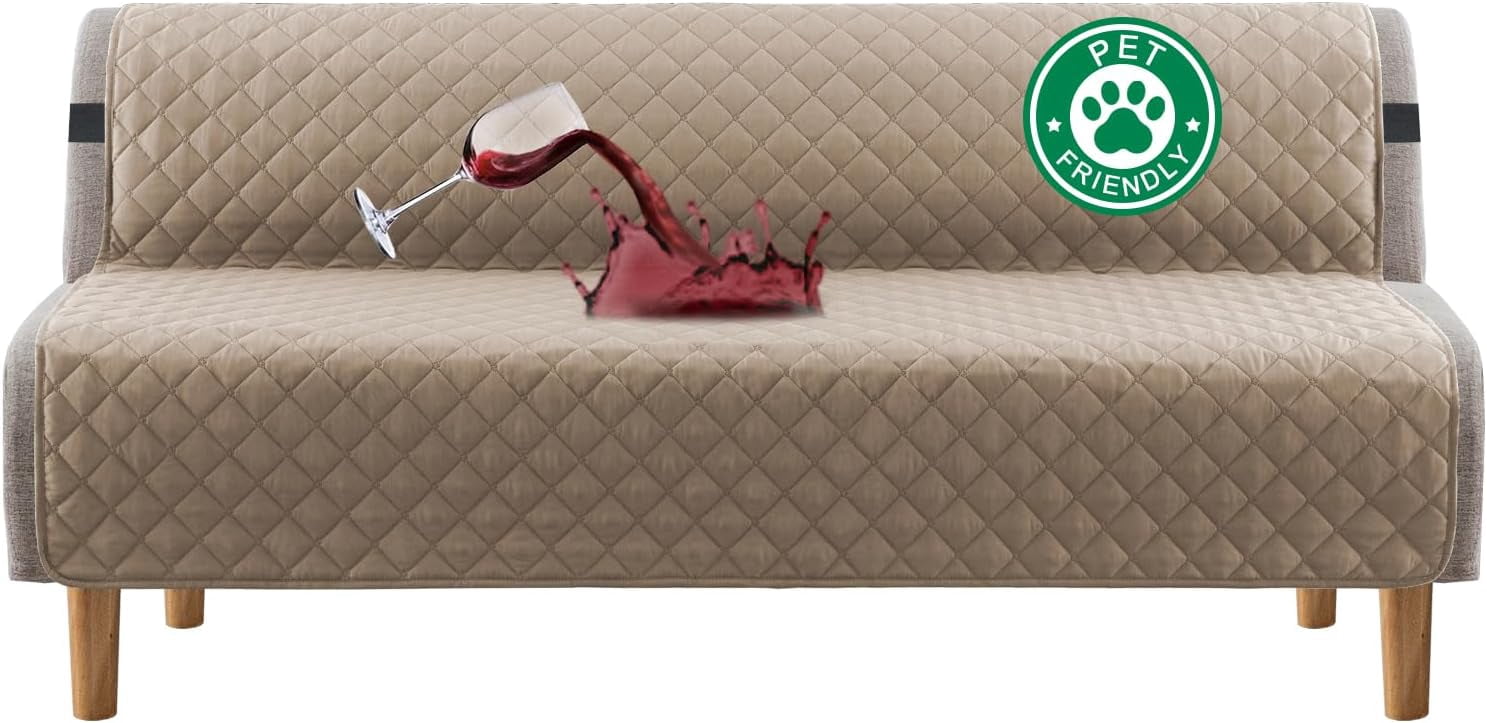
Preventative measures are the easiest way to keep your futon looking new for years. A good cover acts as a barrier against spills, stains, and daily wear.
Install a Washable Cover
Choose a removable cover that fits your specific futon size and style. Machine wash this cover every 2 to 4 weeks to remove surface dirt and oils. This simple step significantly reduces the need for deep cleaning the mattress itself.
Add a Waterproof Protector
Place a breathable waterproof protector between the mattress and the decorative cover. This layer blocks spills and sweat from reaching the internal padding. It is an essential addition for households with pets or young children.
Ensure Proper Fit
Measure your futon dimensions before purchasing covers to avoid ill-fitting accessories. Standard sizes vary, so check manufacturer specifications for twin or full sizes. A snug fit prevents bunching and ensures even protection.
Maintain Long-Term Freshness and Shape
Regular maintenance extends the life of your futon and keeps it comfortable for sleeping and sitting. Small habits prevent sagging and uneven wear patterns.
Rotate the Mattress Monthly
Turn the mattress 180 degrees once a month to distribute weight evenly. For new futons, flip them weekly for the first month to help the filling settle. This prevents permanent dips in high-traffic areas.
Keep the Mattress Elevated
Always use a proper frame or platform instead of placing the futon directly on the floor. Floor contact traps moisture and invites dust mites and insects. Elevation improves airflow and reduces cleaning frequency.
Vacuum Both Sides Regularly
Even with a cover, vacuum the top and bottom of the mattress monthly. This removes dead skin cells and allergens that accumulate over time. Focus on the underside where dust often settles unnoticed.
Frequently Asked Questions About Cleaning Futons
Can I put my entire futon mattress in the washing machine?
No, you should never put a futon mattress in a washing machine. The agitation and excess water will damage the internal filling and likely ruin the structural integrity of the mattress.
How often should I deep clean my futon couch?
You should perform a deep clean only when stains occur or odors become noticeable. For general upkeep, vacuuming weekly and deodorizing monthly is sufficient to maintain hygiene.
What is the best way to remove pet urine smells?
Use an enzyme-based cleaner specifically formulated for pet accidents rather than vinegar. Enzymes break down the uric acid crystals that cause lingering odors, whereas vinegar may set the smell.
Is it safe to use bleach on futon fabric?
No, avoid using bleach as it can discolor the fabric and weaken the fibers. Stick to mild detergents, vinegar solutions, or hydrogen peroxide for safe and effective stain removal.
How long does it take for a cleaned futon to dry?
Drying typically takes between 12 and 24 hours depending on humidity and airflow. Ensure the mattress is completely dry before folding or using it to prevent mold growth.
Key Takeaways for Cleaning Your Futon Couch

Cleaning a futon couch requires prompt action, the right solutions, and thorough drying to prevent damage. By blotting spills immediately, matching cleaners to stain types, and avoiding saturation, you can restore your furniture effectively.
Regular maintenance like rotating the mattress and using protective covers extends its lifespan significantly. Start by vacuuming your futon today and addressing any lingering spots with the methods outlined above.