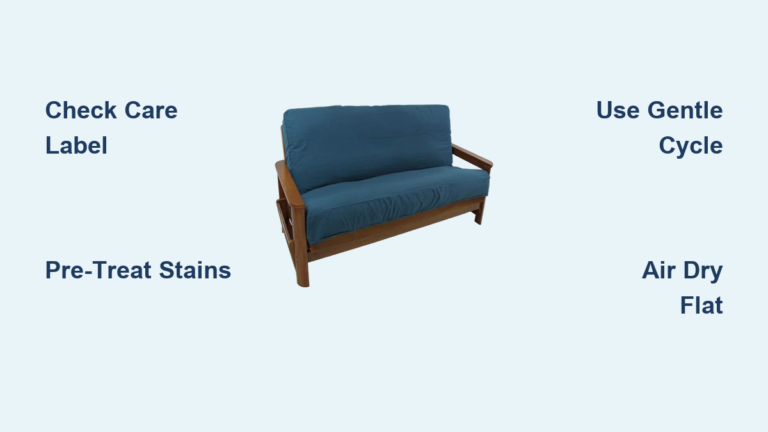
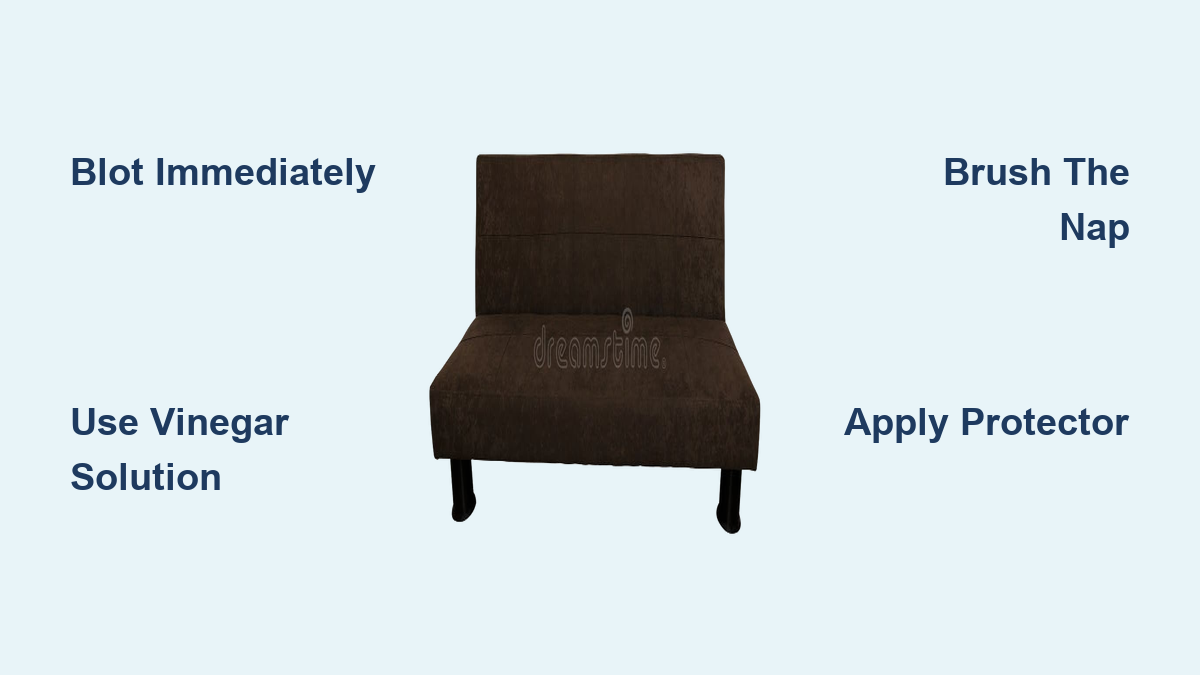
How to Clean a Suede Futon
Spilled mac and cheese or blueberry juice on your suede futon? Panic is natural, but acting fast saves the fabric. Suede absorbs liquids quickly, turning small messes into permanent stains if you wait too long.
This guide shows you exactly how to clean a suede futon using gentle, proven methods. You will learn to blot spills, treat sticky food, remove fruit pigments, and restore the soft nap without ruining the texture.
Immediate Spill Response for Suede Futons

Your first few minutes determine if the stain disappears or sets forever. Suede fibers trap liquids deep inside, so speed is your best defense against permanent damage.
Blot Liquids Gently Without Rubbing
Grab a clean, dry microfiber cloth immediately. Press down lightly on the spill to absorb moisture, then lift straight up. Never rub the area because friction pushes the liquid deeper and crushes the delicate nap.
Scrape Off Solid Food Residue
If cheese, crumbs, or berry pulp remain, remove them carefully. Use a dull knife or spoon edge to lift debris from the outside inward. This prevents spreading the mess to clean areas of your futon.
Pro Tip: Let thick or sticky spills dry slightly before scraping. This makes removal easier and reduces smearing risks.
Once solids are gone, choose the cleaning method that matches your specific stain type.
Clean Cheesy or Starchy Spills Effectively
Macaroni and cheese, buttery snacks, or gravy leave oily residues that attract dirt. These starchy messes require specific care to avoid leaving a greasy mark on your suede.
Apply Specialized Suede Cleaner
Use a cleaner designed specifically for suede fabrics. These pH-balanced formulas lift grease without stripping natural oils from the fibers.
- Test the product on a hidden spot first
- Spray lightly or dab with a soft cloth
- Let it sit only for the time listed on the label
Use the Damp Cloth Method
If you lack commercial cleaner, mix one drop of mild dish soap with a cup of water. Dampen a microfiber cloth until it is barely moist, then dab the stain gently. Wipe with a second cloth dampened with plain water to remove soap.
❗ Never soak suede. Excess water causes warping, watermarks, and potential mold growth inside the padding.
Allow Area to Dry Naturally
Let the cleaned spot air dry completely before using the futon again. Keep the furniture away from direct sunlight, heaters, or strong fans. Drying usually takes 4 to 6 hours depending on humidity.
Remove Fruit and Juice Stains from Suede
Blueberries, grape juice, and soda contain pigments that bond tightly with fabric fibers. The acidity in these liquids requires a slightly different approach than oily foods.
Treat with White Vinegar Solution
Mix equal parts white vinegar and water in a small bowl. Dab the solution onto the stain using a clean cloth, then blot gently until the color lifts. The mild acid breaks down fruit pigments safely.
✅ Test first: Apply the mixture to an inconspicuous area to ensure no discoloration occurs.
Use Baking Soda Paste for Set-In Stains
For dried or stubborn fruit stains, make a thick paste with baking soda and water. Apply it only to the stained area and let it sit for 10 to 15 minutes. Brush off the dried paste with a soft-bristled suede brush, then wipe with a barely damp cloth.
This method lifts deep-set color and neutralizes odors effectively. It works especially well for older juice spills that initial blotting missed.
Restore Suede Texture After Cleaning
Your futon may look flat or shiny where you cleaned it. This happens because the nap gets pressed down during the cleaning process.
Brush Nap with Soft Bristles
Use a suede or velvet brush with soft brass or nylon bristles. Brush in one direction only, using light pressure to lift the fibers. Work over the entire cleaned area and slightly beyond for an even look.
No specialized brush? A clean, unused toothbrush works in a pinch. Just be extra gentle to avoid scratching the surface.
Steam Stubborn Flat Spots
If brushing alone fails, hold a steamer 6 to 8 inches away from the fabric. Pass it slowly over the area, then immediately brush the fibers while they are warm.
⚠️ Never touch the suede directly with the steamer nozzle. Overheating can scorch or stiffen the material permanently.
Prevent Future Stains on Your Futon
Cleaning is only half the battle. Protection keeps your suede futon looking new between accidents and daily use.
Apply Suede Protector Spray

Once the futon is dry, use a suede-specific protector spray. Spray evenly from 6 inches away, covering high-contact zones like arms and the seat center. Let it dry for at least 2 hours before sitting on it.
This creates an invisible barrier that repels liquids and slows dirt absorption. Reapply every 3 to 6 months or after deep cleaning sessions.
Rotate Cushions and Use Throws
Flip and rotate removable cushions monthly to prevent uneven wear. Add a cotton or wool throw blanket for daily use to protect against skin oils and pet traffic.
These simple habits extend the life of your furniture significantly. They also reduce the frequency of deep cleaning sessions needed.
Avoid These Common Cleaning Mistakes
Even well-meaning efforts can ruin suede if you use the wrong tools. Steer clear of these common pitfalls to save your futon.
Never Use Harsh Chemicals
Avoid bleach, ammonia, alcohol-based cleaners, and all-purpose sprays. These strip natural oils, cause discoloration, and break down fibers over time. Stick to products made for delicate napped fabrics.
Do Not Machine Wash or Soak
Suede is not washable in machines. Submerging it causes irreversible shrinkage and stiff, crunchy patches. It also promotes mold growth inside the padding where you cannot see it.
Skip Hairdryers and Heat Guns
Heat sets stains and damages the finish permanently. Never use hairdryers, heat guns, or radiators to speed up drying. Air drying is the only safe method for suede furniture.
Handle Tough or Old Stains Professionally
:max_bytes(150000):strip_icc()/how-to-clean-suede-couch-4846972-04-8d071eef9a534227bf555da29bce6c6a.jpg)
Some stains like grease, ink, or unknown spills do not budge with home methods. Knowing when to stop prevents further damage to your futon.
When to Call a Professional
Contact a professional upholstery cleaner if the stain covers a large area or returns after cleaning. Seek help if you are unsure of the spill type or if the fabric feels stiff.
Professionals have industrial-grade tools and solvents designed for delicate materials. Look for cleaners certified by the IICRC for best results.
Maintenance Schedule for Longevity
Keep your suede futon fresh with a regular care routine. Consistent maintenance prevents major stains from forming in the first place.
- Weekly: Vacuum with a soft brush attachment to remove crumbs
- Monthly: Brush the entire surface to maintain nap height
- Every 3–6 Months: Spot clean high-use areas and reapply protector spray
- Once a Year: Deep clean with suede shampoo or professional service
Following this routine extends the life of your futon and keeps it guest-ready year-round.
Frequently Asked Questions About Cleaning Suede Futons
Can I use water to clean my suede futon?
Yes, but only in very small amounts. Use a barely damp cloth and never soak the fabric. Excess water causes watermarks, warping, and mold growth inside the padding.
What is the best way to remove blueberry stains from suede?
Dab the area with a mix of equal parts white vinegar and water. For stubborn stains, apply a baking soda paste, let it sit for 15 minutes, then brush gently.
How do I restore the soft texture after cleaning?
Use a suede brush with soft bristles to lift the nap. Brush in one direction only. If fibers remain flat, use a steamer held 6 inches away, then brush immediately.
Can I put my suede futon cover in the washing machine?
No, suede cannot be machine washed. Doing so causes irreversible shrinkage, stiffness, and potential mold growth. Always spot clean by hand using gentle methods.
How often should I apply suede protector spray?
Apply protector spray every 3 to 6 months depending on use. Reapply immediately after any deep cleaning session to maintain the protective barrier against spills.
Key Takeaways for How to Clean Suede Futon
Cleaning a suede futon requires patience and the right gentle techniques. Always blot spills immediately, avoid harsh chemicals, and restore the nap with a soft brush after drying.
Protect your investment by applying a suede guard spray regularly and avoiding heat sources during drying. With consistent care, your futon will stay soft and stylish for years.
Start by blotting your next spill gently and testing your cleaner on a hidden spot. Your suede futon will thank you with long-lasting beauty and comfort.