
How to Clean a Futon Cover: Quick Steps
You likely notice every stain or smell on your futon cover since it serves as both your daily sofa and guest bed. Knowing exactly how to clean a futon cover prevents permanent damage while removing trapped allergens and odors effectively.
This guide details safe removal techniques, stain pre-treatment methods, and specific washing instructions for various fabrics. You will learn to dry your cover properly to avoid shrinking and maintain its shape for years of comfortable use.
Verify Care Label Instructions Before Washing

Locate the care tag sewn into a seam along the bottom or side of your futon cover immediately. This small label provides critical data on water temperature limits, drying methods, and whether professional cleaning is required.
Decode Washing Symbols and Text
Look closely for icons indicating if the item is machine washable, requires hand washing, or demands dry cleaning only. Ignoring a “dry clean only” warning can ruin the fabric texture or void your product warranty entirely. Note any specific temperature restrictions, such as cold water only or no bleach usage.
Identify Your Specific Fabric Type
Common materials include cotton, polyester, microfiber, linen, or complex blends. Cotton and microfiber generally withstand machine cycles well, while linen wrinkles easily and needs gentle handling. Blends usually follow the care rules of their dominant fabric component.
Review Drying Heat Limits
Some tags permit tumble drying on low heat, whereas others mandate air drying flat or on a line. High heat settings can shrink natural fibers like cotton or melt synthetic materials permanently. Follow “lay flat to dry” instructions strictly to prevent warping the cover shape.
Remove and Inspect the Futon Cover
Most modern designs feature zippers or buttons that allow you to separate the cover from the inner mattress cushion. Unfasten every closure point and gently pull the fabric away from the frame.
Unzip or Unbutton Slowly
Do not force the cover if it feels tight or stuck around the corners. Work your way around all edges slowly to avoid tearing the seams or breaking the zipper teeth. If your specific model lacks a removable cover, you must rely on spot cleaning methods instead.
Check for Existing Damage
Inspect the entire surface for rips, loose threads, or worn thin areas before introducing water. Repair small tears with a needle and thread or apply fabric glue to secure loose edges. Washing a damaged cover often causes small holes to expand significantly during the agitation cycle.
Shake Out Loose Debris
Take the removed cover outside and shake it vigorously to dislodge loose dirt, pet hair, and food crumbs. This simple step reduces the strain on your washing machine filter and improves overall cleaning efficiency. Removing dry debris first prevents it from turning into mud during the wash cycle.
Pre-Treat Stains and Spots Effectively
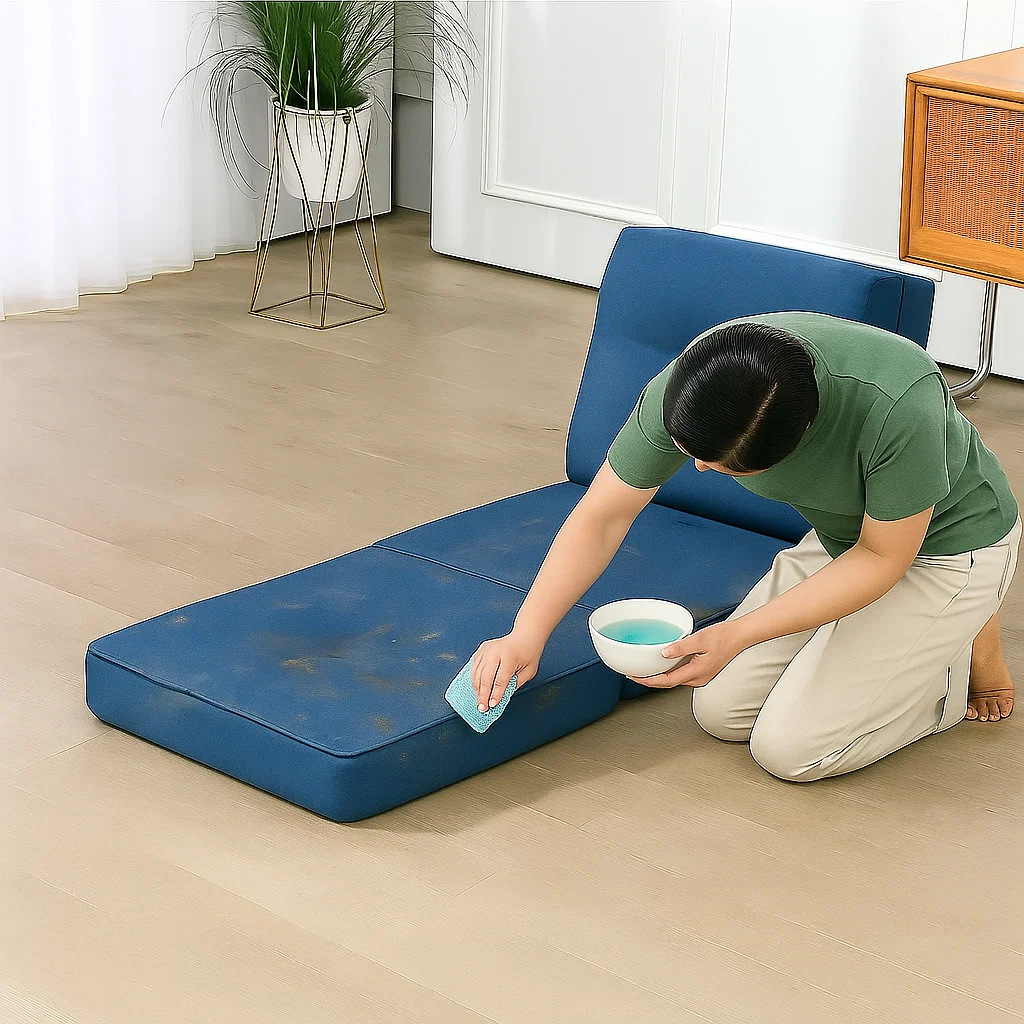
Treating stains before the main wash cycle significantly increases your chances of complete removal. Even machine-washable covers benefit from targeted spot treatment for tough marks.
Identify the Stain Source
Different substances require specific cleaning agents for best results:
* Food or drink: Apply mild dish soap directly to the area
* Sweat or body oils: Create a paste using baking soda and water
* Pet accidents: Use enzyme-based cleaners designed for organic matter
* Ink or makeup: Dab with rubbing alcohol after testing
Apply Cleaner Gently
Dampen a clean cloth and apply a small amount of your chosen stain remover or DIY solution. Gently dab the area to lift the stain without scrubbing, which can spread the mark or damage fibers. Let the solution sit for 5 to 10 minutes to break down the residue.
Test on Hidden Areas First
Always test your cleaning solution on an inconspicuous spot like an inside seam or corner. Wait a few minutes to ensure the chemical does not discolor or damage the fabric texture. This precaution saves you from causing a larger disaster on the visible surface.
Machine Wash the Cover Safely
Machine washing offers the most effective deep clean if your care label explicitly permits it. Follow these steps to ensure the process remains gentle on your specific fabric type.
Select Gentle Cycle Settings
Set your washing machine to the gentle or delicate cycle using cold or lukewarm water. Hot water poses a significant risk of shrinking cotton or linen covers unexpectedly. The gentle cycle reduces agitation stress on seams and fabric weaves.
Choose Mild Detergent Options
Use a low-sudsing, mild detergent to protect the fabric fibers and color vibrancy. Avoid bleach entirely unless the care label specifically states it is safe for use. Select fragrance-free or hypoallergenic formulas if you have sensitive skin or allergy concerns.
Wash Alone or With Similar Items
Wash the cover by itself or pair it with other large, soft items like blankets or curtains. This prevents tangling issues and ensures water and soap reach every part of the fabric evenly. Do not overload the machine, as the fabric needs room to move freely for proper cleaning.
Hand Wash Delicate Covers
Hand washing is necessary for covers marked “hand wash only” or those made from very delicate materials. Use a bathtub or large basin to accommodate the full size of the cover.
Fill Tub with Lukewarm Water
Add a small amount of gentle detergent like Woolite to the water and mix until dissolved. Avoid hot water completely, as it can damage delicate fibers and cause immediate shrinking. Ensure the water level is high enough to submerge the entire cover.
Soak and Agitate Gently
Submerge the cover fully and press it down gently to saturate the fabric thoroughly. Move it slowly through the water for 5 to 10 minutes to loosen dirt and oils. Do not twist, wring, or scrub the fabric, as this action can stretch or tear the material.
Drain and Rinse Thoroughly
Drain the soapy water completely and refill the tub with clean, cool water for rinsing. Repeat the rinsing process until no suds remain visible in the water or on the fabric. Residual detergent attracts dirt quickly and can cause unpleasant odors over time.
Dry Without Damage or Shrinking

Improper drying causes more ruined futon covers than the washing process itself. Patience during this stage ensures your cover retains its original size and shape.
Air Dry When Possible
Lay the cover flat on a clean surface or hang it on a clothesline in a well-ventilated room. Turn the cover occasionally to ensure even drying on both sides. Avoid direct sunlight for extended periods, as UV rays can fade colors significantly.
Use Dryer Only If Approved
If your care label permits machine drying, select the low heat setting immediately. Remove the cover while it is still slightly damp to prevent over-drying and deep wrinkles. Consider adding dryer balls to reduce static electricity and soften the fabric texture.
Avoid High Heat Completely
Never use high heat settings, as they can shrink, melt, or warp the fabric instantly. Even if the cover survives one high-heat cycle, repeated exposure weakens fibers and reduces longevity. High heat is especially dangerous for synthetic blends and elastic components.
Reassemble and Refresh Your Futon

Once the cover is completely dry, you can put everything back together for immediate use. This stage also offers a chance to refresh the interior mattress.
Smooth Out Wrinkles
Iron the cover on the appropriate heat setting if wrinkles persist after drying. Use a garment steamer as a gentle alternative to remove creases without direct contact. Never iron directly over zippers, buttons, or decorative elements.
Reattach to Futon Frame
Slide the clean cover back over the futon mattress or cushion starting at one corner. Work evenly around the edges to avoid bunching or uneven tension in the fabric. Zip or button all closures securely to keep the cover in place.
Freshen the Interior Mattress
Vacuum the exposed futon mattress using an upholstery attachment to remove dust and debris. Sprinkle baking soda over the surface, let it sit for 15 to 30 minutes, then vacuum again. This step eliminates odors and ensures the interior is as clean as the new cover.
Spot Clean Between Full Washes
Full washing is not necessary after every minor spill or daily use. Spot cleaning keeps your futon looking fresh while reducing wear from frequent laundering.
Blot Fresh Spills Immediately
Use a clean, dry cloth to blot liquid spills as soon as they happen. Rubbing the area spreads the stain deeper into the fibers and makes removal harder later. Absorbing liquid quickly prevents it from reaching the inner mattress.
Use Mild Cleaning Mixtures
Mix a few drops of dish soap with water to create a gentle cleaning solution. Dab the spot with a microfiber cloth, then wipe with a damp cloth to rinse soap residue. Pat the area dry with a towel to remove excess moisture.
Ventilate After Cleaning
Open a window or use a fan to speed up drying and prevent mildew growth. Moisture trapped in the fabric can lead to musty smells and bacterial growth. Ensure the spot is completely dry before using the futon again.
Prevent Future Soiling Issues
Adopting simple habits helps keep your futon cover cleaner for longer periods between washes. Prevention reduces the frequency of deep cleaning required.
Use a Washable Protector
Place a removable, machine-washable slipcover or furniture protector over your existing cover. These barriers catch spills and dirt and can be cleaned weekly with minimal effort. They act as the first line of defense against daily wear.
Rotate and Flip Regularly
Rotate and flip the mattress monthly if you use your futon as a primary bed. This habit distributes wear evenly and reduces localized soiling in high-traffic areas. Even distribution extends the life of both the mattress and the cover.
Enforce a No-Food Rule
Discourage eating on the futon to minimize the risk of crumbs and spills. If snacks are unavoidable, use sturdy trays and clean up immediately after use. Reducing food exposure significantly lowers the chance of stubborn stains.
Common Mistakes to Avoid

Even well-meaning cleaning attempts can go wrong without proper knowledge. Avoid these common pitfalls to protect your investment.
Skipping the Care Label
Assing all covers are machine washable leads to unnecessary shrinkage or fabric damage. Always check the label first to confirm the correct cleaning method for your specific item.
Overloading the Washer
Putting too much fabric in the machine causes uneven cleaning and excessive stress on seams. Ensure there is enough room for the cover to move freely during the cycle.
Using Harsh Chemicals
Bleach, ammonia, or strong stain removers can discolor or weaken fabric fibers rapidly. Stick to mild, tested solutions that are safe for your specific fabric type.
Ignoring Trapped Moisture
Reassembling a cover that is not fully dry leads to mildew and musty smells inside. Ensure complete dryness, especially in seams and corners, before putting it back on.
Frequently Asked Questions About Cleaning Futon Covers
Can I put my futon cover in the dryer?
Only put the cover in the dryer if the care label explicitly permits tumble drying. Use the lowest heat setting available and remove the cover while slightly damp to prevent shrinking.
How often should I wash my futon cover?
Wash the cover every few months or immediately after spills and accidents occur. Regular spot cleaning between washes helps maintain freshness and reduces the need for frequent deep cleaning.
What if my futon cover does not have a zipper?
If your cover lacks a zipper, it is likely not designed for removal. Stick to spot cleaning methods and use a separate slipcover for easier maintenance and protection.
Will washing my futon cover cause it to shrink?
Shrinking occurs if you use hot water or high heat drying on natural fibers like cotton. Follow the care label instructions regarding water temperature and drying methods to prevent size changes.
Can I use bleach on my white futon cover?
Only use bleach if the care label specifically states it is safe for the fabric. Many fabrics require oxygen-based bleaches or mild detergents instead of chlorine bleach to avoid damage.
Key Takeaways for Cleaning Your Futon Cover
Properly cleaning your futon cover starts with reading the care label to avoid shrinking or damaging the fabric. Always pre-treat stains, use gentle cycles with cold water, and air dry whenever possible to extend the life of your furniture.
Take action today by checking your current cover for a care tag and scheduling a cleaning session. Your home environment will feel fresher and more inviting once you master how to clean a futon cover correctly.