Bolster Pillow Uses: Top Benefits & Tips
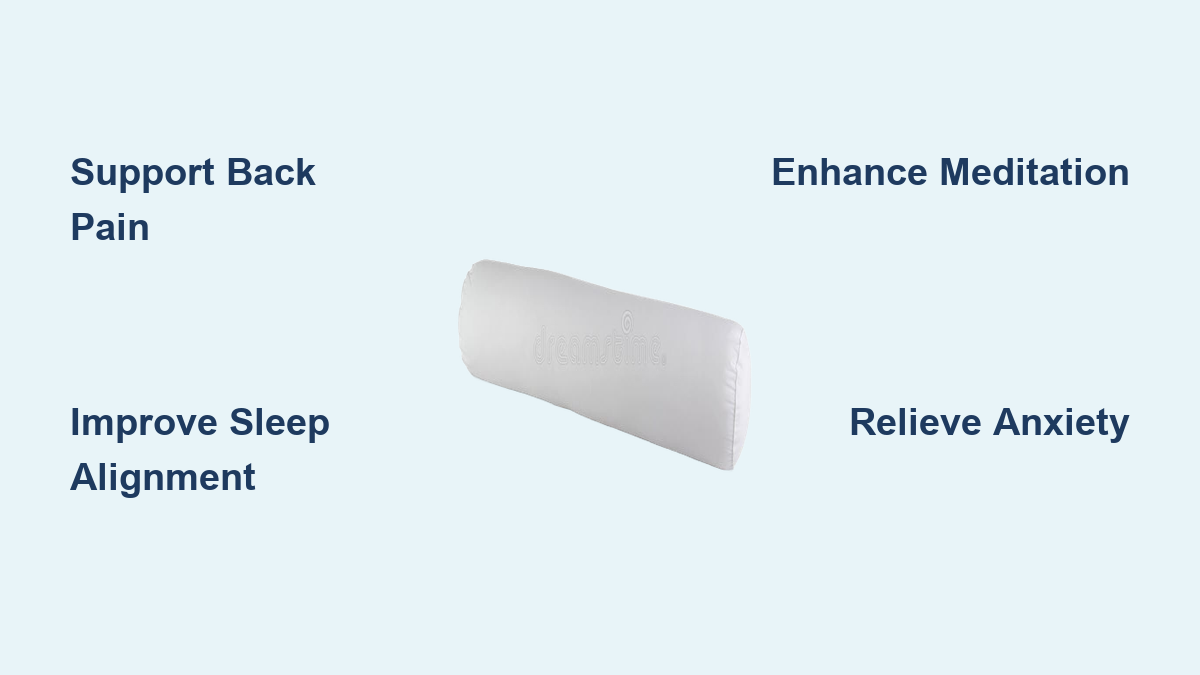
If you’ve ever woken up with a stiff lower back or struggled to find a comfortable position during meditation, a bolster pillow might be the missing tool in your wellness routine. More than just a decorative accent on a bed or sofa, a bolster pillow is a firm, cylindrical support designed to align the spine, relieve pressure, and enhance relaxation. From improving sleep posture to aiding yoga practice and easing anxiety, bolster pillow uses extend across physical and emotional well-being.
This guide explores the science-backed benefits of bolster pillows, showing you how to leverage their support for better sleep, pain relief, mindfulness, and even home efficiency. You’ll discover practical techniques, selection tips, and care methods to get the most from this versatile wellness tool.
Improve Sleep with Proper Alignment

Support for Back Sleepers
Place a bolster under your knees while lying on your back to reduce lower back strain. This simple adjustment flattens the lumbar curve, allowing your spine to rest in a neutral position. It also boosts circulation and can ease leg swelling after long periods of standing.
For added support, position a smaller bolster horizontally across your lower back to maintain the spine’s natural curve. Use a firm, medium-diameter bolster (2–3 inches) to avoid over-lifting the legs.
Pro Tip: Memory foam or buckwheat fills offer lasting support that won’t collapse overnight.
Align Hips for Side Sleepers
Side sleepers benefit greatly by placing a bolster between the knees. This keeps the hips, pelvis, and spine in a straight line, preventing the top leg from pulling the lower back into a twisted position. It reduces joint stress and can relieve chronic hip or lower back pain.
For full-body support, use a long body bolster (60+ inches) that allows both legs and the top arm to rest comfortably. Hugging the bolster keeps the shoulder open and prevents forward slouching.
Aid Comfort During Pregnancy
Pregnant individuals find bolsters essential for rest. Placing one between the knees maintains pelvic alignment, while positioning it under the belly or lower back supports the growing abdomen and reduces spinal strain.
Full-length body bolsters offer multi-point support, helping expectant mothers find comfortable positions despite shifting body weight. Many users report reduced pelvic girdle pain and improved sleep quality.
Stabilize Restless or Recovering Sleepers
If you toss and turn, a bolster can anchor your body in a supportive position. Its firm shape discourages rolling into awkward postures that cause pain.
After surgery or injury, use a bolster to elevate limbs or support healing areas. Placing it under an injured leg reduces swelling and maintains proper alignment. Always consult a healthcare provider for post-op positioning.
Relieve Pain and Aid Physical Therapy

Ease Back and Spine Discomfort
Bolsters help manage chronic back pain and conditions like herniated discs by gently decompressing the spine. When lying down, place a bolster along the lower back or neck to support the natural curve and reduce pressure on discs.
For seated support, position a half-moon or rectangular bolster at the base of your spine while working or reading. This promotes a neutral spine and prevents slouching.
Reduce Joint and Muscle Stress
Arthritis sufferers can place bolsters under their knees or hips to relieve joint pressure and improve circulation. The firm, even support prevents soft tissues from collapsing, reducing strain during rest.
For muscle relaxation, lie on your back with a bolster running vertically along your spine. This allows back muscles to release tension by supporting the body against gravity.
Soothe Digestive Issues
Gas, bloating, or acid reflux can be eased by lying flat with a bolster under your abdomen and gently rolling side to side. This motion helps move trapped gas through the intestines and can provide quick relief.
For navel spasms or cramping, pressing a firm bolster against the belly button area can relax abdominal muscles and ease discomfort.
Enhance Yoga and Meditation Practice
Deepen Restorative Yoga Poses
In yoga, bolsters are key props for restorative poses. Place one under your chest in Child’s Pose to make the stretch more accessible and comfortable, especially if you have tight hips or back tension.
During reclined poses, position a bolster along your spine to open the chest and shoulders. This encourages deeper breathing and full relaxation.
Support Forward Folds and Flexibility
Tight hamstrings? Use a bolster under your thighs during seated forward folds. This slight elevation reduces strain on the lower back and allows a safer, deeper stretch over time.
For supported backbends, place the bolster horizontally under your upper back and head. This gentle lift opens the chest without compressing the spine.
Improve Meditation Posture
Sit on a bolster during meditation to elevate your hips above your knees. This tilts the pelvis forward, maintaining the spine’s natural curve and reducing lower back strain during long sessions.
Choose a firm buckwheat or cotton-filled bolster for stability. The grounding weight also enhances mindfulness, helping you stay present and focused.
Promote Mental and Emotional Well-being

Reduce Anxiety and Stress
Hugging a bolster mimics the calming effect of human touch, reducing cortisol, the stress hormone. The pressure on the chest opens the ribcage, allowing deeper breaths that signal safety to the nervous system.
Many with anxiety or panic disorders use bolsters as “hugging cushions” during episodes. The firm, consistent contact provides comfort and a sense of security.
Foster Emotional Comfort and Mindfulness
Known historically as “Dutch wives,” bolsters have long been used for emotional relief. Their presence can create a cozy, nurturing environment that encourages relaxation and better sleep onset.
In therapy settings, bolsters are used to ground patients during mindfulness exercises. The tactile feedback helps anchor attention to the present moment.
Upgrade Home Comfort and Style
Add Decorative Flair
Bolsters aren’t just functional; they’re stylish. Available in rich fabrics, bold colors, and elegant textures, they enhance living rooms, bedrooms, and outdoor lounges.
Use decorative bolsters on sofas or floor seating to add a plush, luxe feel. Pair them with throw blankets for an inviting, layered look.
Support Floor and Couch Lounging
In South and Southeast Asia, bolsters are commonly used as a base for lounging. Place one under your back while reading or watching TV to maintain good posture and avoid slumping.
They’re also great for sitting upright on the floor. Position a bolster behind your back for spine support during meals, work, or meditation.
Serve as a Footrest
After a long day, elevate your legs on a bolster. This simple act improves circulation, reduces swelling, and helps relax tired muscles. Its firm structure makes it a durable alternative to a full ottoman.
Practical Household and Travel Uses
Block Drafts and Save Energy
Place a bolster at the base of doors to block cold air from entering. This insulation trick helps maintain room temperature, reduces heating costs, and creates a cozier atmosphere.
Support Babies During Tummy Time
For infants struggling with tummy time, place a small bolster under their chest. This support makes it easier to lift the head, strengthens neck and shoulder muscles, and can soothe colic.
Always supervise babies during use to ensure safety and prevent suffocation risks.
Travel with Portable Support
Inflatable or foldable travel bolsters offer comfort on planes, trains, or camping trips. Use them for neck support, lumbar backing, or even as a makeshift pillow.
Compact designs fit easily in carry-ons, making them ideal for frequent travelers who need reliable support on the go.
Choose the Right Bolster for Your Needs

Match Type to Use Case
- Standard Bolster: Knee support, back sleepers, decor
- Body Bolster: Side sleepers, pregnancy, full-body support
- Yoga Bolster: Restorative poses, meditation, stability
- Travel Bolster: Planes, cars, outdoor activities
- Half-Moon Bolster: Lumbar support, posture correction
Pick the Best Fill Material
- Memory Foam: Ideal for pain relief and pressure points
- Buckwheat Hulls: Firm, breathable, eco-friendly
- Gel-Infused Foam: Keeps you cool during sleep
- Polyester Fiberfill: Soft and affordable for decor
- Natural Fibers (Cotton/Wool): Hypoallergenic and breathable
Consider Size and Firmness
- Short (18–30 inches): Neck or knee support, yoga props
- Medium (40–50 inches): Back sleepers, couch lounging
- Long (60+ inches): Side sleepers, pregnancy, full-body use
Firmness should match your needs: firm for support, softer for comfort.
Care for Long-Lasting Use
Clean and Maintain Regularly
Choose bolsters with removable, washable covers for easy cleaning. Spot clean the inner fill or follow manufacturer instructions, especially for natural materials like buckwheat or wool.
Fluff or rotate the bolster weekly to prevent fill from clumping and maintain its shape.
Store Properly
Keep bolsters in dry, ventilated areas. Avoid damp spaces to prevent mold, especially with cotton or natural fills. Inflatable types can be deflated and stored flat.
Frequently Asked Questions About Bolster Pillow Uses
What is the main purpose of a bolster pillow?
A bolster pillow provides targeted support to align the spine, relieve pressure on joints, and improve comfort during sleep, yoga, or meditation. Its firm, cylindrical shape fills gaps between the body and the resting surface.
Can a bolster pillow help with back pain?
Yes. Placing a bolster under the knees or across the lower back helps maintain the spine’s natural curve, reducing strain on the lumbar region. Memory foam and buckwheat fills are particularly effective for chronic pain relief.
Are bolster pillows good for side sleepers?
Absolutely. Side sleepers benefit from placing a bolster between the knees to keep the hips and spine aligned. A long body bolster (60+ inches) also supports the top arm and prevents shoulder collapse.
How do I choose the right size bolster?
Match the size to your use case. Short bolsters (18–30 inches) work well for knees or neck support. Medium sizes suit back sleepers and lounging. Long bolsters (60+ inches) are best for pregnancy and full-body side sleeping.
Can bolster pillows help with anxiety?
Yes. Hugging a bolster mimics the calming sensation of human touch, which can lower cortisol levels. This makes bolsters useful tools for self-soothing during anxiety or panic episodes.
How do I clean and maintain a bolster pillow?
Use removable, washable covers for easy cleaning. Fluff or rotate the bolster weekly to prevent clumping. Store in a dry, ventilated area to avoid mold, especially with natural fills.
Key Takeaways for Maximizing Bolster Pillow Uses

A bolster pillow is far more than a bedroom accessory; it’s a multi-functional tool for better sleep, pain relief, mindfulness, and home comfort. The most impactful uses include aligning the spine during sleep, supporting yoga and meditation practice, and providing emotional comfort through hugging.
Start by identifying your primary need, whether that’s hip alignment, pregnancy support, or anxiety relief, then select the right size and fill material. With proper placement and care, this simple cylindrical pillow can transform your physical comfort and emotional well-being. Invest in one today and experience how targeted support leads to deeper rest and a more grounded, relaxed you.