How to Fix a Futon Hinge
A broken or squeaky hinge can instantly ruin the comfort of your favorite sofa-bed. When the mechanism fails, converting your furniture becomes a struggle rather than a simple task. Most homeowners face this issue when screws loosen or metal parts wear down over time.
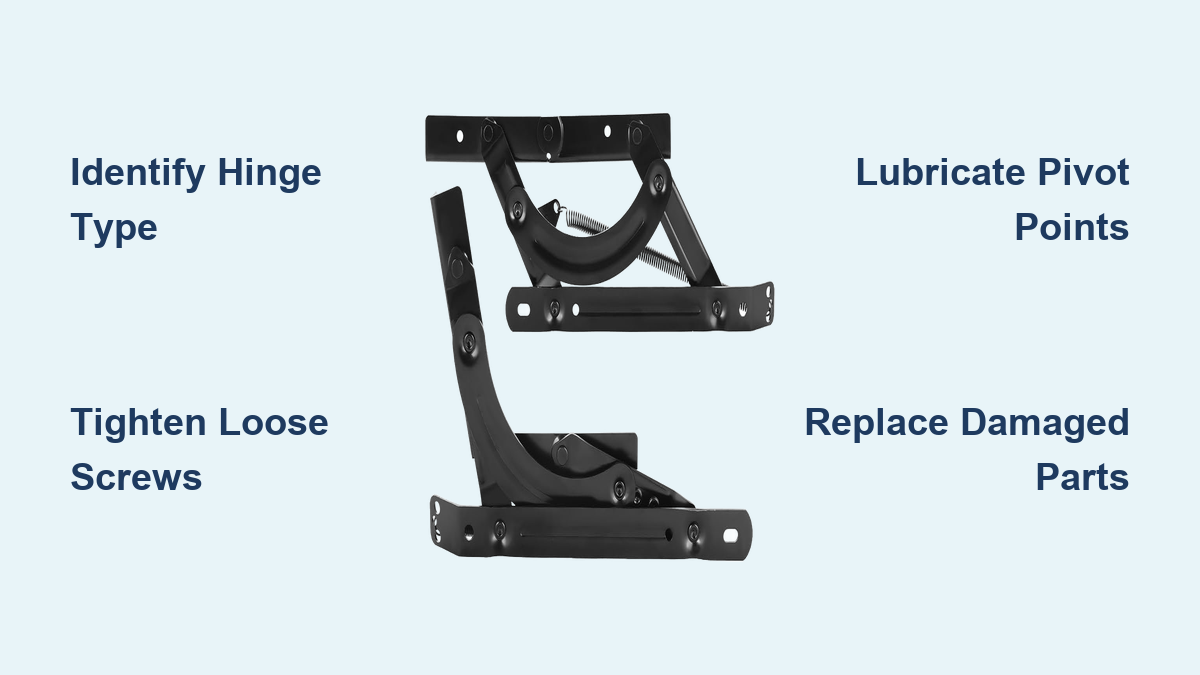
You can solve these problems quickly with the right tools and a clear plan. This guide shows you exactly how to fix a futon hinge by identifying your specific model and applying targeted repairs. You will learn to tighten loose components, lubricate sticky joints, and replace damaged parts safely.
Identify Your Specific Futon Hinge Type
Successful repairs begin with knowing exactly which mechanism supports your furniture. Different designs require unique tools and approaches for effective maintenance. Identifying your hinge type prevents wasted effort on incompatible fixes.
Center Pivot Hinge Characteristics
This common design features a single heavy bar connecting two frame halves. It allows the unit to fold in half like a book along one central line. Look for a long metal rod with mounting plates secured at each end.
Multi-Bar Linkage Systems
Higher-end models often use multiple connected bars for smooth gliding motion. These systems frequently include spring assistance to help lift heavy mattresses. You will see two or more interconnected metal arms beneath the main frame structure.
Trifold Scissor Mechanism Details
Three-section futons utilize stacked scissor mechanisms that resemble an accordion. Each joint moves independently to collapse the unit into a compact sofa shape. These complex hinges demand careful alignment during any repair work.
Check for Visible Damage Signs
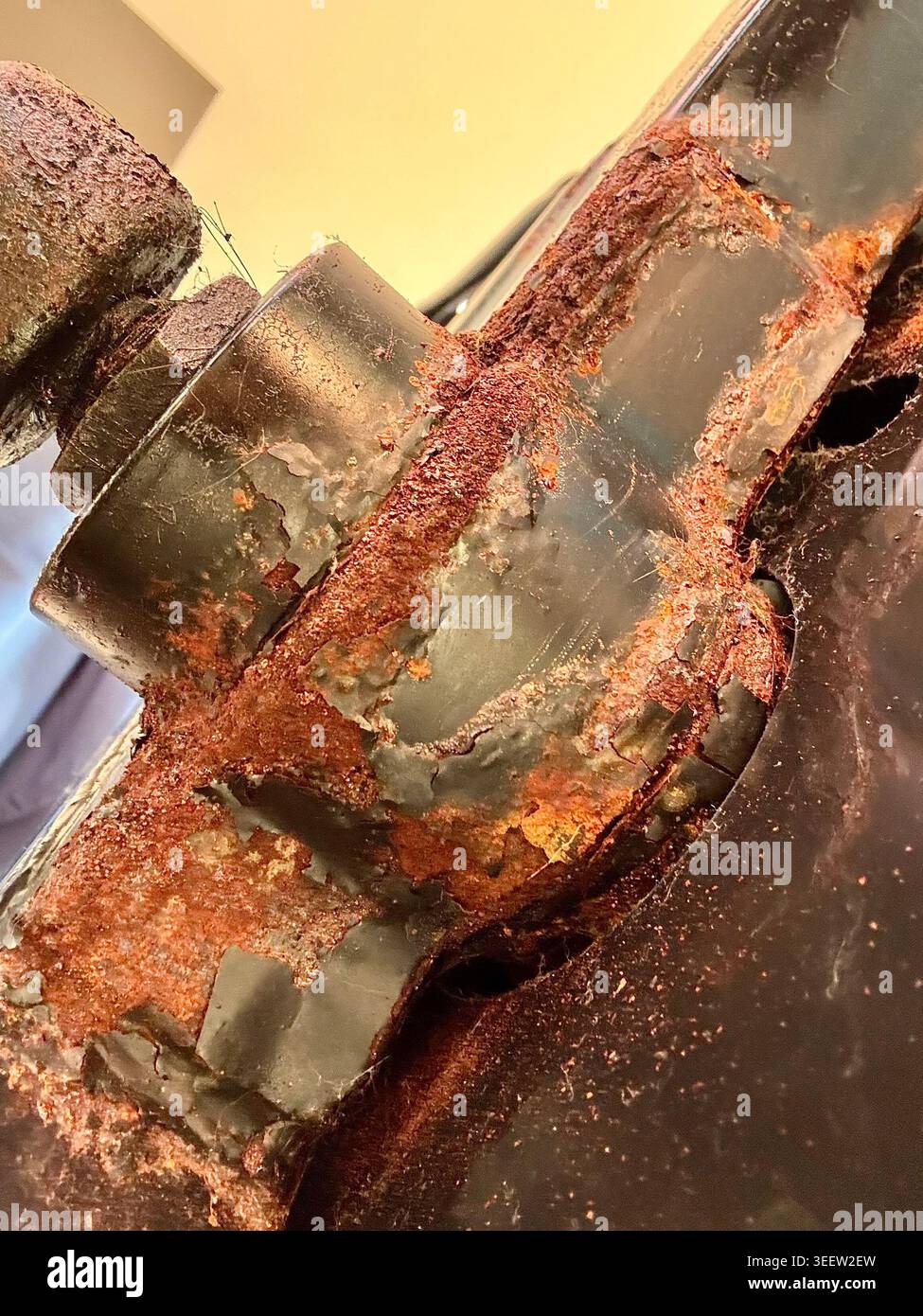
Inspecting the hinge area thoroughly helps you pinpoint the root cause of failure. Early detection of wear prevents minor issues from becoming major structural problems. Use a bright flashlight to examine every angle of the connection points.
Inspect Loose Screw Connections
Wobbling during folding usually indicates that screws have worked themselves loose. Check all screw heads at the hinge connection points for raised or stripped appearances. Spinning screws need immediate replacement or reinforcement to restore stability.
Spot Rust and Corrosion Issues
Metal hinges exposed to humidity often develop rust around pivot points. Surface rust cleans easily, but deep corrosion weakens the structural integrity significantly. Severe rust may require full component replacement rather than simple cleaning.
Test for Bent Metal Components
Misaligned folding or grinding noises suggest a bent hinge arm or bar. Place a straight edge along the metal bar to check for any warping or deviation. Even slight bends affect performance and must be corrected for safe operation.
Tighten Loose Hinge Components Effectively

Loose hardware causes the majority of futon hinge complaints from frustrated owners. Properly tightening these parts restores stability and prevents further wear on the frame. Follow this sequence to ensure a secure fit without damaging threads.
Gather Necessary Repair Tools
You need a socket wrench, adjustable wrench, and Phillips screwdriver for this task. Keep a small container nearby to store removed hardware so nothing gets lost. Pliers may also help if you encounter stripped screw heads.
Secure Mounting Screws Properly
Start by tightening all screws connecting the hinge to the wooden or metal frame. Do not force them since overtightening can strip the threads inside the wood. If a screw won’t grip, wrap the shank with plumber’s tape before reinserting.
Reinforce Central Pivot Bolts
The central bolt on pivot hinges bears the most stress during daily use. Loosen the lock nut slightly, then tighten the main bolt using your wrench. Re-tighten the lock nut firmly to prevent future loosening during operation.
Lubricate Moving Parts for Smooth Operation
Friction causes squeaking and sticking even when all hardware is tight and secure. Proper lubrication ensures smooth motion and significantly prolongs the life of your components. Choose the right product to avoid attracting dust or damaging upholstery.
Select the Correct Lubricant
Use a silicone-based spray or white lithium grease for best long-term results. Avoid standard WD-40 as a permanent solution because it evaporates quickly. The wrong lubricant can attract dust that creates more friction over time.
Apply Grease to Pivot Points
Spray or apply lubricant directly to all moving joints including pins and bushings. Work the futon back and forth several times to distribute the lubricant evenly. This action helps the grease penetrate deep into the mechanical connections.
Wipe Away Excess Residue
Clean up any excess lubricant with a dry cloth after application. Leftover grease can drip onto your upholstery or collect dirt over time. A clean finish ensures your furniture stays tidy and functional.
Replace a Damaged Hinge Completely

Replacement becomes necessary when the hinge is cracked or bent beyond repair. The process varies slightly by type but follows a consistent pattern for success. Sourcing the correct part is the most critical step in this procedure.
Measure the Old Hinge Accurately
Remove the damaged hinge and measure its length, width, and bolt hole spacing. Take photos and note the brand or model if visible on the metal. Use these specs to find an exact or compatible replacement online.
Match Hinge Specifications Carefully
Ensure the new hinge matches the original mounting hole pattern exactly. Check that bolt size, orientation, and folding angle align with your frame. Weight capacity must meet or exceed the original manufacturer specifications.
Install the New Hinge Unit
Align the replacement hinge with the frame’s pre-drilled holes before inserting bolts. Insert bolts loosely first to adjust alignment, then fully tighten everything down. Test the folding motion repeatedly before replacing any upholstery or slats.
Align the Frame After Repair Work

Misalignment is a frequent issue after hinge work that causes uneven folding. Correct alignment reduces stress on new parts and ensures smooth operation. Take your time during this phase to avoid future complications.
Compare Both Sides Visually
Stand behind the futon and inspect the symmetry of the hinge arms carefully. Both sides should mirror each other perfectly when the unit is open and closed. Asymmetry indicates that mounting plates need adjustment.
Adjust Mounting Plate Positions
If one side sits higher, loosen the frame screws slightly and shift the plate. Re-tighten gradually while checking alignment to ensure perfect positioning. Small adjustments make a huge difference in overall performance.
Verify Smooth Operation Results
Open and close the futon slowly to test your repair work. It should move evenly without catching or leaning to one side. Make micro-adjustments as needed until the motion feels completely natural.
Prevent Future Hinge Problems
Regular maintenance keeps your futon functioning smoothly and avoids repeat repairs. Simple habits extend the lifespan of your furniture significantly. Consistency is key to preventing major mechanical failures.
Schedule Monthly Inspection Routines
Check all hinge screws and bolts every 30 days for tightness. Retighten as needed and reapply lubricant every few months. This simple habit catches small issues before they become big problems.
Avoid Overloading the Frame
Do not exceed the manufacturer’s weight limit for your specific model. Excessive pressure on the hinge shortens its lifespan dramatically. Distribute weight evenly across the surface when sleeping.
Keep Components Clean and Dry
Dust and debris can interfere with moving parts and cause premature wear. Vacuum under the frame regularly and wipe metal components with a dry cloth. Keeping the area clean prevents grit from grinding down metal surfaces.
When to Call a Professional Expert
Some issues go beyond simple DIY fixes and require specialized knowledge. Seeking expert help saves time and ensures safety when structural integrity is compromised. Know your limits to avoid causing further damage.
Recognize Structural Frame Damage
Seek professional help if the frame itself is cracked or warped severely. Internal springs that are broken and inaccessible also require expert attention. A furniture repair specialist can source rare parts or rebuild damaged sections safely.
Handle Proprietary Designs
Complex or outdated hinge designs may need specialized tools only pros have. If you are unsure about structural safety, always consult an expert. Professional intervention guarantees your furniture remains safe for daily use.
Frequently Asked Questions About Futon Hinge Repair
Can I fix a futon hinge without special tools?
Yes, most repairs only require a standard screwdriver and wrench. You likely already have the necessary tools in your basic home toolkit. Specialized equipment is rarely needed for standard hinge maintenance tasks.
How often should I lubricate my futon hinges?
You should lubricate moving parts every three to six months. Frequent use requires more frequent attention to keep motion smooth. Listen for squeaks as a natural reminder that maintenance is due.
What type of grease works best for futon hinges?
Silicone-based spray or white lithium grease works best for metal hinges. These products resist water and do not attract excessive dust or dirt. Avoid using cooking oil or heavy motor grease on furniture.
Is it better to repair or replace a broken hinge?
Repair is best for loose screws or minor rust issues. Replacement is necessary if the metal is cracked, bent, or severely corroded. Assess the damage carefully before deciding on the best course of action.
Why does my futon hinge squeak after tightening?
Squeaking after tightening usually means friction remains in the pivot points. You likely need to apply lubricant to the moving parts immediately. Tightening alone does not eliminate friction between metal surfaces.
Key Takeaways for Fixing Your Futon Hinge
Fixing a futon hinge is a manageable task that restores comfort to your home. Identifying your hinge type and addressing looseness or damage solves most issues quickly. Regular maintenance prevents future breakdowns and extends the life of your furniture.
Take action today by inspecting your hinge and tightening any loose screws. Apply fresh lubricant to ensure smooth folding for your next guest. With these simple steps, your sofa-bed will function like new again.