Fix Manta Sleep Mask Velcro Not Sticking
You depend on your Manta Sleep Mask to block light, but a loose strap ruins everything when the manta sleep mask velcro not sticking properly. Lint buildup, worn fibers, or misalignment often cause this frustrating failure, leaving you adjusting your mask instead of sleeping.
This guide reveals exactly how to clean, restore, or replace your faulty fasteners using simple household tools. You will learn specific steps to diagnose the problem area, revive dead hooks with heat, and prevent future slippage for a secure fit every night.
Identify the Specific Failure Point on Your Mask
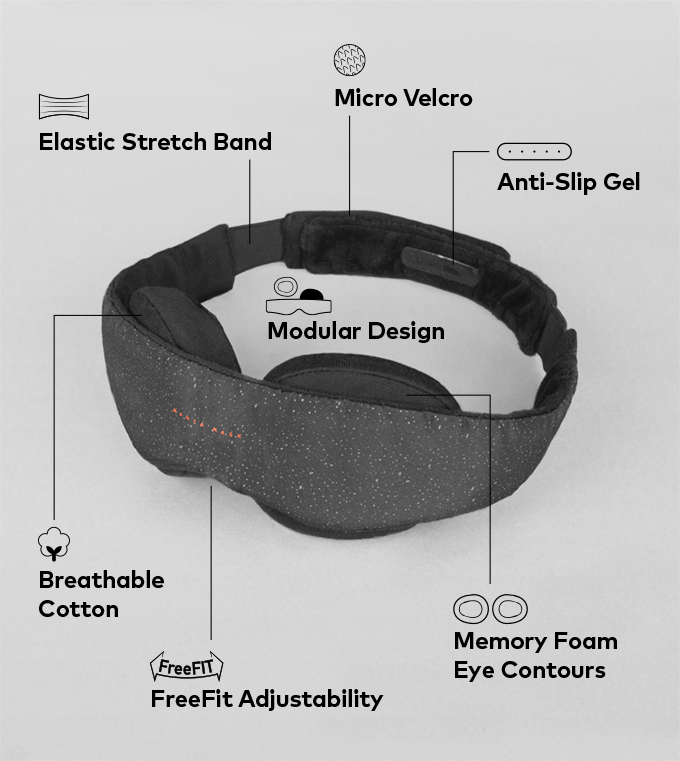
Diagnosing the exact location of the failure saves time before you attempt any repairs. The Manta system uses distinct hook and loop zones that degrade differently based on usage patterns.
Inspect the Hook Side of the Strap
Check the rough end of the strap where it connects to the main band. Look closely for matted fibers or a layer of gray fuzz that prevents gripping. If the hooks feel smooth under your finger rather than scratchy, debris is likely blocking adhesion.
Examine the Loop Pad Condition
The soft fabric patch on the side arm often wears thin or lifts at the corners. Look for fraying edges or flattened areas where the strap usually rests. A damaged loop pad cannot hold the hooks effectively even if they are clean.
Verify Strap Routing and Tension
Ensure the elastic strap passes cleanly through the side arms without twisting. Incorrect routing reduces the surface area contact between the fasteners. A twisted strap mimics Velcro failure by preventing full engagement.
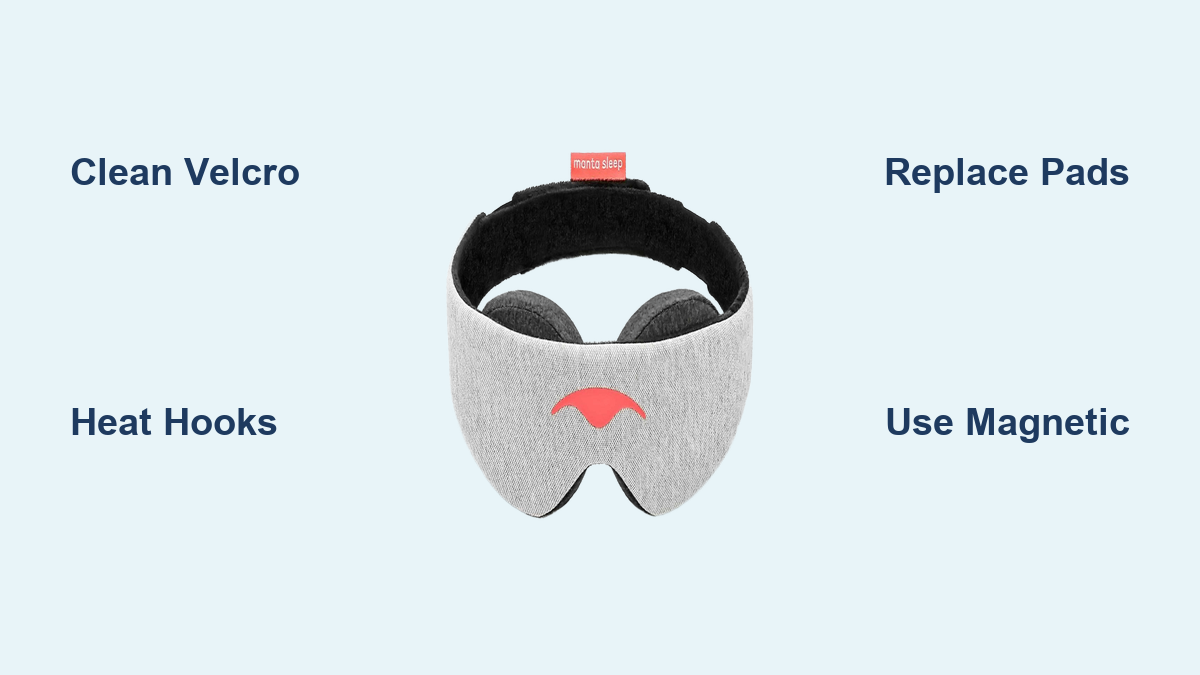
Clean Velcro Surfaces to Remove De buildup
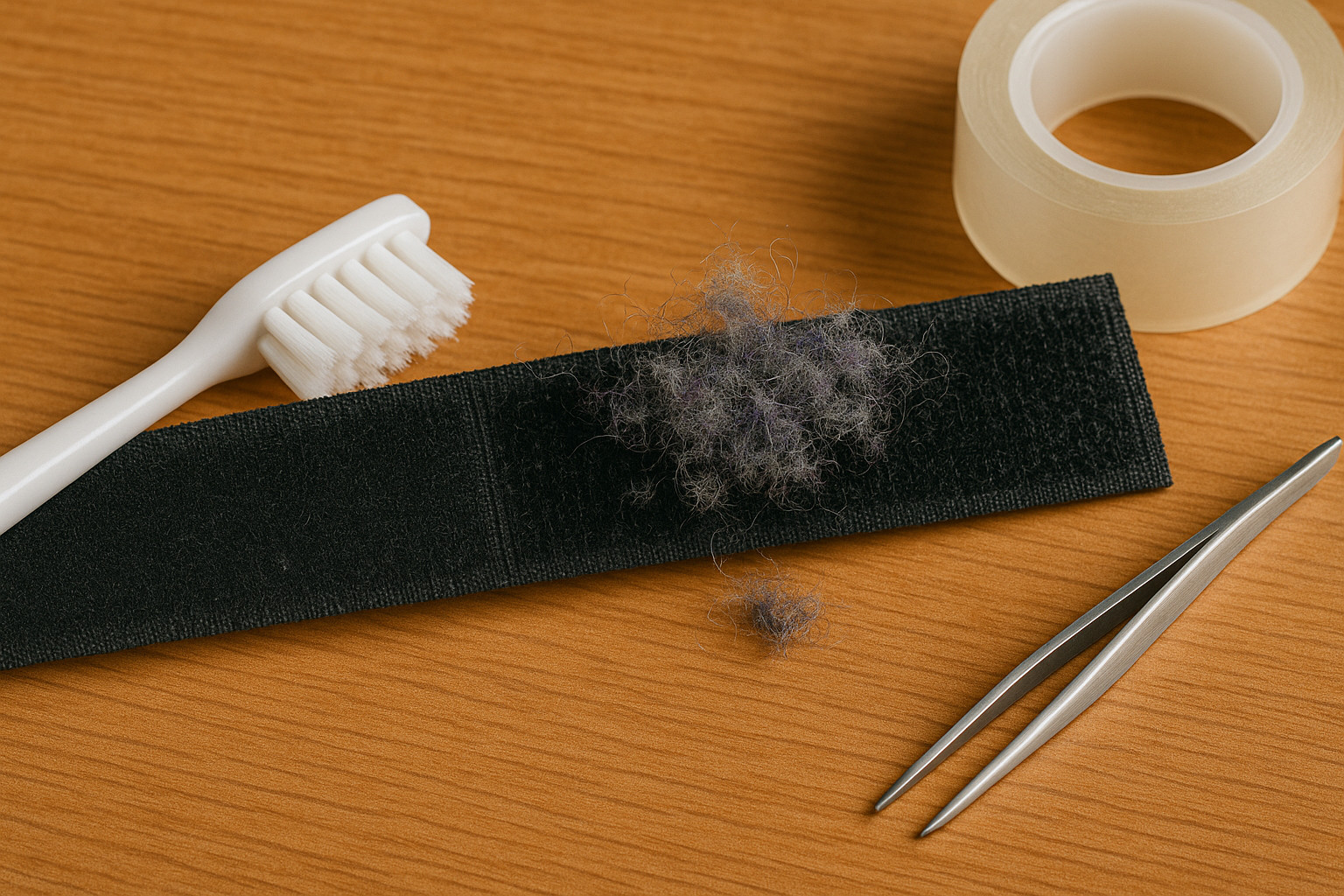
Dirt, hair, and skin oils are the primary enemies of strong adhesion. A thorough cleaning takes less than five minutes and resolves most sticking issues immediately.
Scrub Hooks With a Dry Toothbrush
Use a clean, dry toothbrush to scrub the rough hook surface vigorously in one direction. This action lifts matted plastic hooks and dislodges trapped particles deep within the bristles. Avoid using water as moisture can weaken the adhesive backing over time.
Lift Lint From the Loop Fabric
Use fine-tip tweezers or your fingernails to pull visible lint clumps from the soft loop pad. Alternatively, press a piece of packing tape onto the fabric and peel it off quickly to lift embedded dust.
Wipe Surfaces With a Microfiber Cloth
Wipe both the hook and loop sides with a dry microfiber cloth to remove loose dust. Test the connection immediately after drying to see if the grip has improved.
Pro Tip: Perform this cleaning routine once a month to prevent heavy buildup and extend the life of your mask.
Restore Hook Grip Using Heat and Tools
If cleaning fails to restore strength, the plastic hooks may have lost their shape or stiffness. You can often revive them without buying new parts.
Apply Low Heat to Reshape Hooks
Hold a hairdryer six inches away from the hook side and warm it for ten to fifteen seconds. Press the warmed hooks firmly onto the loop pad and hold for five seconds before releasing. The gentle heat softens the plastic slightly, allowing the hooks to stand upright again.
Warning: Do not use high heat or hold the dryer too close, as this can melt the fibers or damage the elastic strap.
Use a Velcro Comb Tool
Specialized tools like a Velcro restorer comb can separate tangled hook rows effectively. Run the metal teeth across the surface in a single direction to realign the plastic bristles. This method works well for older masks where hooks have bent over time.
Replace Worn Velcro Pads or Straps
When cleaning and heat treatments fail, replacing the worn components is your best option for a permanent fix.
Order Genuine Manta Replacement Parts
Visit the official Manta Sleep website to find specific strap and pad replacement kits. These kits include pre-cut pads with strong adhesive backing designed for the mask contours. Using genuine parts ensures the thickness and texture match the original design.
Install New Loop Pads Correctly
- Peel off the old, worn pad carefully without damaging the side arm plastic.
- Clean the exposed area with rubbing alcohol and let it dry completely.
- Align the new pad precisely with the arm edge and press firmly for thirty seconds.
- Wait one hour before using the mask to allow the adhesive to cure fully.
Swap Out the Entire Elastic Strap
Replace the full strap if the hook side is frayed or the elastic has stretched out. The Manta design allows for tool-free swaps by simply sliding the old strap out and threading the new one in. This process takes under five minutes and restores full functionality.
Prevent Future Velcro Failure With Proper Care
Adopting specific habits can significantly extend the lifespan of your fasteners and keep them sticking strong.
Avoid Contact With Oils and Lotions
Never wear your mask immediately after applying facial creams, oils, or hair products. These substances transfer to the Velcro and create a slippery film that attracts more dirt.
Hand Wash Fabric Components Weekly
Remove the mask from the strap and wash the fabric parts in cool water with mild soap. Air dry the components completely before reassembling to prevent mold or adhesive failure.
Store the Mask With Velcro Separated
Keep your mask in its case or hang it with the strap unfastened. Storing the mask with the Velcro pressed together causes the hooks to compress and lose their grip over time.
Consider Upgrading to Magnetic Adjustment Models
If your current mask is old or you prefer a Velcro-free experience, newer models offer alternative securing methods.
Explore Manta M400 and M500 Models
Newer versions of the Manta mask feature magnetic side arms that slide for infinite adjustability. These models eliminate Velcro entirely, removing the risk of sticking issues or lint buildup forever.
Review Third-Party Alternatives
Brands like Lumie and Pink Moon offer blackout masks using elastic straps with plastic clasps. These designs avoid Velcro completely and may suit users with sensitive skin or those who dislike the sound of tearing fabric.
Frequently Asked Questions About Manta Velcro Issues
Why does my Manta mask strap keep loosening overnight?
Loosening usually indicates that debris has filled the hook spaces or the loop pad is worn smooth. Clean both sides thoroughly first, and if the strap still slips, the elastic may be stretched and needs replacement.
Can I use super glue to fix peeling Velcro pads?
No, super glue can harden the fabric and irritate your skin if fumes remain trapped. Use a fabric-safe adhesive like Aleene’s Clear Gel Glue for a flexible and skin-safe bond.
Is the Velcro coverage included in the warranty?
Manta offers a limited warranty and a satisfaction guarantee for new purchases. Contact their support team if your mask is recent and the Velcro failed prematurely under normal use.
How long should the Velcro on a Manta mask last?
With regular cleaning and proper care, you can expect six to twelve months of daily use. Frequent travelers or side sleepers may experience earlier wear due to increased friction and cleaning cycles.
Can I put my Manta sleep mask in the washing machine?
No, machine washing can destroy the Velcro structure and warp the plastic frame. Always hand wash the fabric parts and air dry them to maintain the mask’s shape and function.
Key Takeaways for Fixing Manta Sleep Mask Velcro
Fixing a manta sleep mask velcro not sticking issue is often a simple matter of removing lint or realigning bent hooks. Most users can restore full grip by scrubbing the hooks with a dry toothbrush and lifting debris from the loop pads with tape.
If cleaning does not work, applying low heat with a hairdryer can reshape the plastic hooks for better engagement. For permanent solutions, replacing the strap or upgrading to a magnetic model ensures a secure fit without future adhesion worries. Start with the cleaning steps today to reclaim your perfect blackout sleep.