How to Wear a Sleep Mask: Quick Steps
Struggling to fall asleep because of streetlights or early morning sun? You are not alone in this battle against unwanted light. Millions rely on a sleep mask to create darkness, yet wearing it incorrectly often leads to slipping, pressure on the eyes, or light leaks that ruin rest.
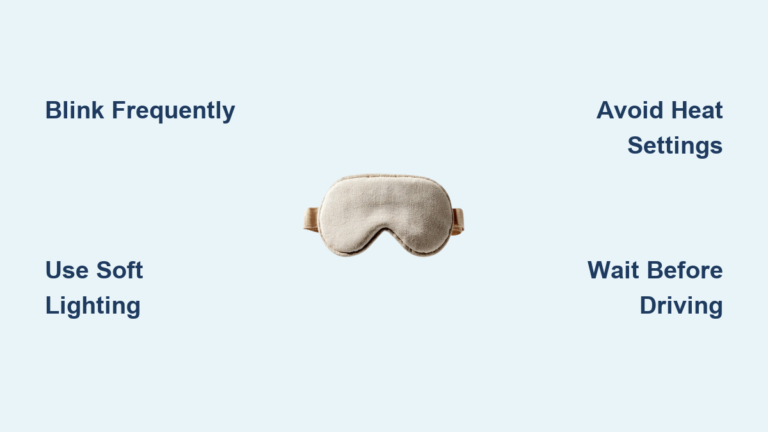
This guide explains exactly how to wear a sleep mask for maximum comfort and effectiveness. You will learn to choose the right style, position the strap correctly, and troubleshoot common issues like headaches or creasing so you can enjoy uninterrupted sleep every night.
Choose the Right Mask Type for Your Needs
Selecting the correct mask is the first step in learning how to wear a sleep mask effectively. The wrong design can cause discomfort or fail to block light entirely.
Know Your Sleep Mask Styles
Different designs serve specific purposes and comfort levels:
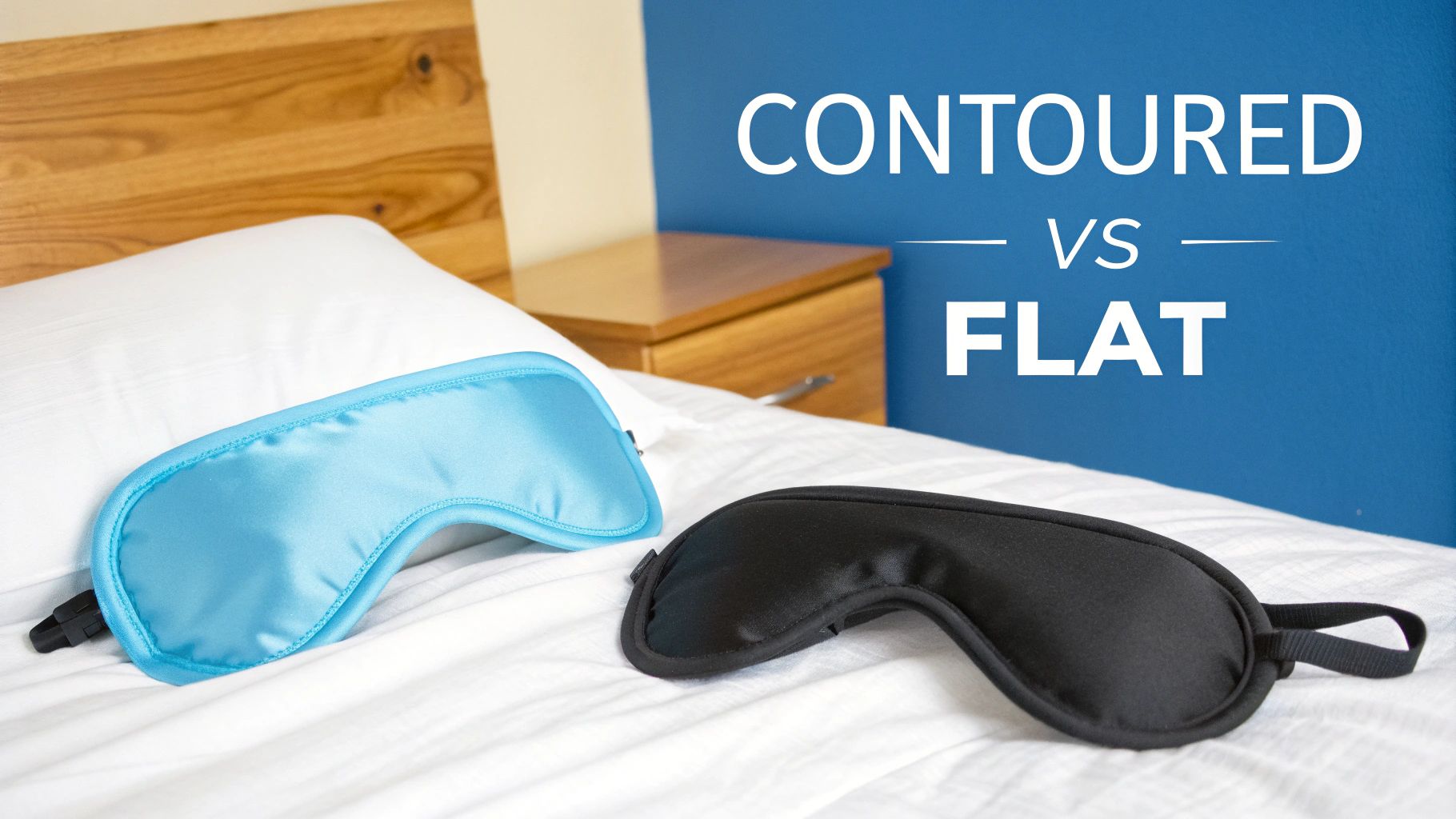
* Contoured masks lift fabric away from eyelids, making them ideal for REM sleepers.
* Flat masks lie close to the face and suit back sleepers who prefer minimal bulk.
* Weighted masks apply gentle pressure to promote relaxation but may feel heavy for some.
* Silk or satin masks reduce friction to prevent facial creases and hair breakage.
* Cup-style masks offer 3D space over the eyes for total light elimination.
Choose based on your sleeping position and whether you have sensitive skin or wear contacts.
Match Mask to Your Sleep Position
Your preferred sleeping posture dictates which mask works best for you:
* Back sleepers can use most styles, including flat or contoured options.
* Side sleepers should choose low-profile or ultra-soft contoured masks to avoid cheek pressure.
* Stomach sleepers need flexible, thin masks that will not push into the eyes when face-down.
Wearing the wrong type often leads to constant readjusting and disrupted rest.
Prepare Your Face and Hair Before Bed
Proper preparation ensures your sleep mask stays in place without damaging your skin or hair.
Clean and Moisturize Your Face
Always wash your face before putting on a sleep mask. Oils, makeup, or residue can cause the mask to slip, clog pores under the fabric, or irritate sensitive skin.
Apply moisturizer and let it absorb fully before wearing the mask. Avoid greasy creams that reduce grip on the fabric. For acne-prone skin, use non-comedogenic products to prevent breakouts under the mask.
Manage Hair Before Wearing
Hair can get caught under the strap or cause the mask to shift during the night. To prevent this, tie long hair in a loose braid or low bun.
Tuck stray strands behind your ears to create a smooth surface. Position the strap below bulky hair like a topknot to ensure a secure fit. Silk or satin masks help reduce friction, which is especially helpful for curly or fragile hair.
Position the Mask Correctly on Your Face
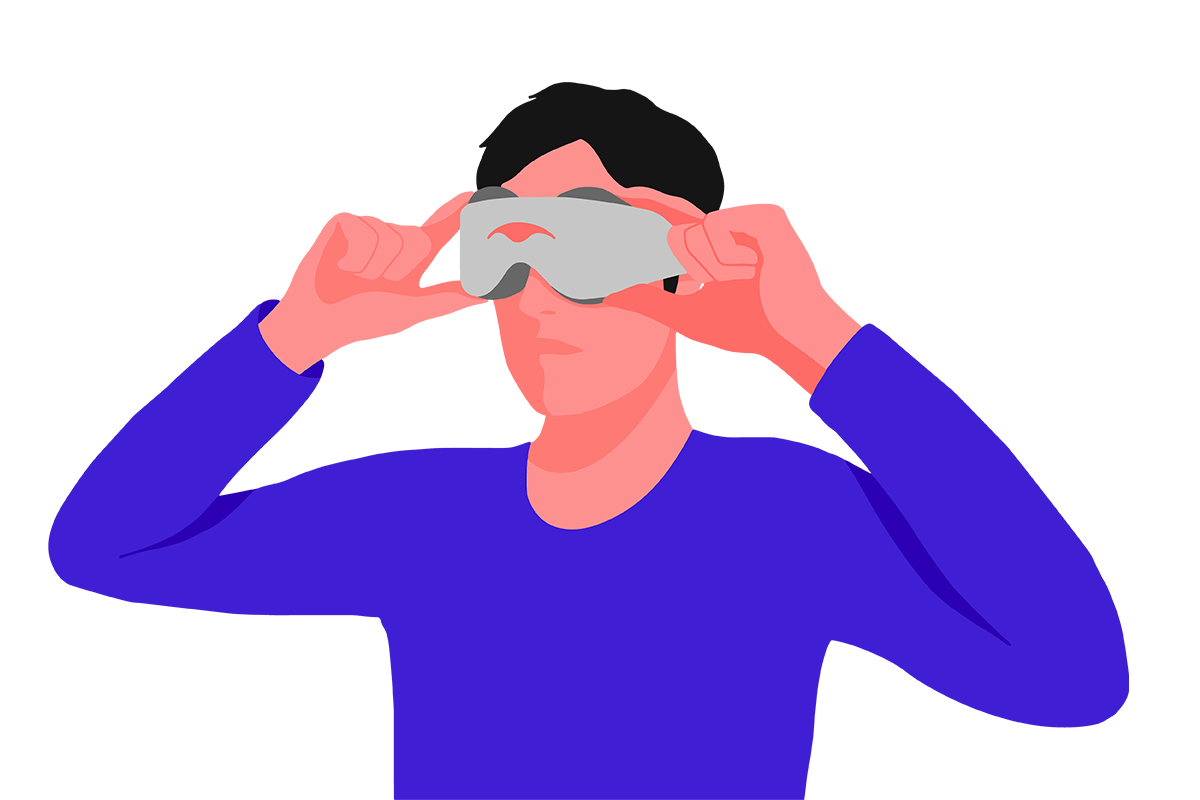
How you place the mask determines both your comfort level and the amount of light blocked.
Align the Nose Bridge First
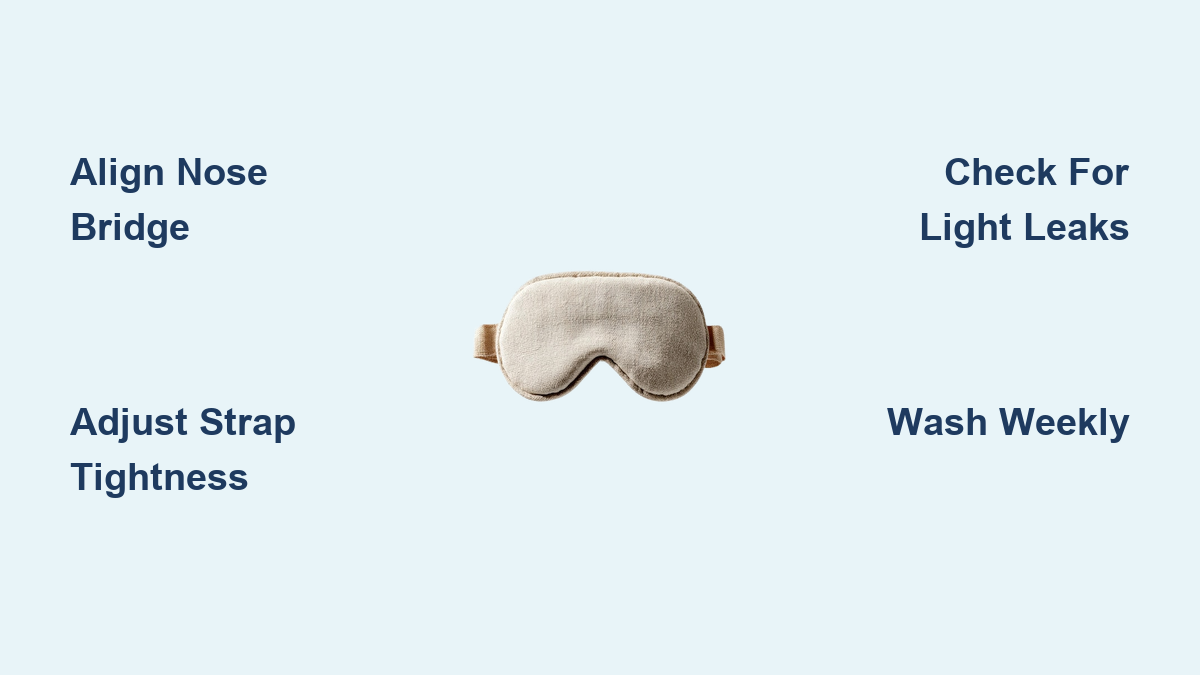
Start by holding the mask with the wider side at the top. Place the center over the bridge of your nose, as this is the anchor point for the entire mask.
Ensure the lower edge covers the tops of your cheekbones without pressing on your eyelashes. A well-aligned nose bridge prevents light from leaking in from below. Some masks come with a flexible nose wire or cushioned ridge that you can mold gently to your nose shape for a custom seal.
Pull Straps Over the Back of Head
Hold both ends of the strap and stretch it gently over your head. Position the strap at the back, just above the base of your skull, and never over your ears.
Let the mask settle into place without tugging harshly. Avoid pulling too tight, as you should be able to fit one finger under the strap comfortably. Over-tightening causes headaches, ear pressure, and can damage delicate skin around the eyes.
Adjust for a Lightproof Fit
Even small gaps can let light in and disrupt your sleep cycle. You must fine-tune your fit to achieve total darkness.
Check for Light Leaks
In a lit room, close your eyes and scan for brightness to identify leaks. If you see light under the nose, adjust the mask downward slightly.
Check the temples and reposition the strap or loosen tight corners if needed. If light enters above the forehead, pull the top edge up gently. Tilt your head side to side to test stability, and if the mask shifts, you may need to reposition the strap or choose a different size.
Customize Strap Tightness
Most sleep masks have adjustable straps with hook-and-loop fasteners or sliding clips. Adjust the fit while wearing the mask for the best results.
Loosen the strap if you feel pressure on your eyes or temples. Tighten it slightly if the mask slips during the night. The ideal fit is snug enough to stay in place but loose enough to avoid discomfort. Avoid fastening the strap over thick hair, as this reduces grip and causes slippage.
Maintain Comfort All Night Long
Once the mask is on, small habits ensure it stays comfortable until morning.
Avoid Touching or Adjusting
Frequent fiddling disrupts sleep onset and defeats the purpose of wearing a mask. If your mask feels off, resist the urge to adjust within the first 5 to 10 minutes since your body may just be adjusting.
Use a mirror before bed to perfect the fit initially. Choose a mask with a memory foam seal or elastic strap that holds its shape throughout the night.
Breathe Through Your Nose
Some masks may feel stuffy if you are a mouth breather or have trouble breathing. If you feel breath resistance, choose a mask with breathable fabric like cotton or bamboo.
Look for models with an open chin design or ventilation zones if stuffiness persists. Practice nasal breathing during relaxation routines to help your body adapt. Mouth breathing can also dry your lips, so apply balm before bed if needed.
Care for Your Sleep Mask Weekly
A clean mask lasts longer and protects your skin from bacteria and irritation.
Wash Gently and Regularly
Wash your sleep mask every 5 to 7 nights, or more frequently if you use heavy skincare products. Use mild detergent and cool water to clean the fabric.
Hand washing is preferred, especially for silk or memory foam masks. Air dry the mask flat and away from direct sunlight to preserve elasticity. Never use bleach or fabric softener, as they degrade fabric and elastic over time.
Store It Clean and Dry
Keep your mask in a clean drawer or a breathable pouch when not in use. Avoid tossing it into a suitcase or pillowcase where it can collect dust or bacteria.
For travel, pack your mask in a small mesh bag to protect it from dirt and compression. Proper storage extends the life of the elastic and keeps the fabric fresh.
Troubleshoot Common Problems

Even with the right technique, issues can arise. Here is how to fix them fast.
Mask Slips Off During Sleep
Slippage usually occurs because the strap is too loose, positioned over hair, or the fabric is too smooth. Tighten the strap slightly and ensure it sits below your hairline.
Use a mask with silicone grip strips inside the strap for better adherence. Switching to a contoured design with better facial adherence can also solve this issue.
Pressure on Eyes or Headaches
Never let the mask press on your eyeballs, as this can increase eye pressure and cause discomfort. Switch to a contoured or 3D style that hovers over the eyes.
Loosen the strap and ensure the nose bridge is properly seated. If headaches persist, discontinue use and consult a doctor, as tight straps can trigger tension headaches.
Skin Irritation or Breakouts
Redness or acne under the mask may be due to a dirty mask, fragranced detergent, or non-breathable material. Fix this by washing your mask weekly.
Use hypoallergenic, fragrance-free soap when cleaning. Choose breathable fabrics like cotton or bamboo and avoid masks with plastic inner linings or glued padding.
Optimize for Travel and Shift Work

Sleep masks are essential tools for irregular schedules or noisy environments like airplanes.
Use on Planes and Hotels
Air travel exposes you to bright cabin lights and dry air. Wear your mask after meal service to signal rest time to your brain.
Combine your mask with noise-canceling headphones for maximum isolation. Choose a mask with a chin strap or extra grip for long wear during flights. A sleep mask helps override unfamiliar hotel lighting and supports circadian rhythm adjustment.
Support Shift Workers and Night Owls
If you sleep during the day, you must maximize darkness to trick your brain. Pair your mask with blackout curtains for the best results.
Put on the mask as part of your bedtime ritual to build a sleep association. Choose a cooling gel mask if daytime heat disrupts your sleep. Consistency is key, as wearing the mask every time you sleep trains your brain to associate it with rest.
Frequently Asked Questions About How to Wear a Sleep Mask
How tight should a sleep mask be?
A sleep mask should be snug enough to block light but loose enough to fit one finger comfortably under the strap. Over-tightening causes headaches and leaves marks on your face.
Can wearing a sleep mask cause wrinkles?
Yes, tight or rough masks can cause facial creases. Choose silk or satin materials and ensure the mask is not pulled too tightly against your skin to prevent friction and pressure lines.
How do I stop my sleep mask from slipping off?
Ensure the strap sits on the base of your skull, not over your ears or hair. Using a mask with silicone grips or adjusting the strap tightness can also prevent slippage during the night.
Is it bad to wear a sleep mask every night?
No, it is not bad to wear a sleep mask every night if it is clean and fits properly. Regular use can improve sleep quality by maintaining consistent darkness, provided you maintain good hygiene.
What is the best sleep mask for side sleepers?
Side sleepers should choose low-profile, ultra-soft contoured masks. These designs minimize pressure on the cheekbones and eyes while you lie on your side.
Key Takeaways for Wearing Your Sleep Mask
Mastering how to wear a sleep mask transforms it from a simple accessory into a powerful tool for better rest. The right fit, combined with proper positioning and regular cleaning, ensures total darkness and comfort night after night.
Start by selecting a mask style that matches your sleep position and adjust the strap to sit securely at the base of your skull. Maintain hygiene by washing your mask weekly and storing it properly to protect your skin.
Take action tonight by checking your current mask fit and making necessary adjustments. Whether you are a traveler, shift worker, or light sleeper, these steps will help you achieve deeper, more restorative sleep.