Why Do People Wear Sleep Masks
You toss and turn at night while streetlights or a partner’s screen flood your bedroom with unwanted brightness. Even when you close your eyes, that lingering glow disrupts your rest and prevents deep, restoring sleep. This common struggle explains exactly why do people wear sleep masks to reclaim their nightly downtime. These simple tools block light instantly and help your brain switch into rest mode without delay.
This guide reveals the science behind light blocking and how it regulates your circadian rhythm for better rest. You will learn who benefits most from wearing a mask and how to choose the right one for your specific needs. We also cover common mistakes to avoid so you can maximize comfort and sleep efficiency every single night.
Block Light to Trigger Natural Melatonin Production

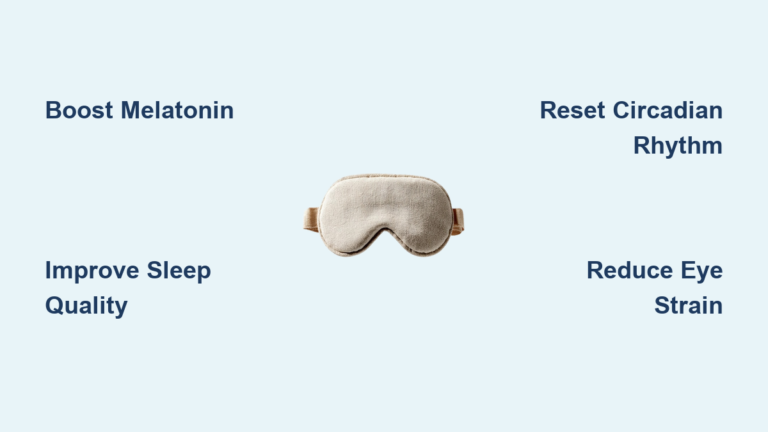
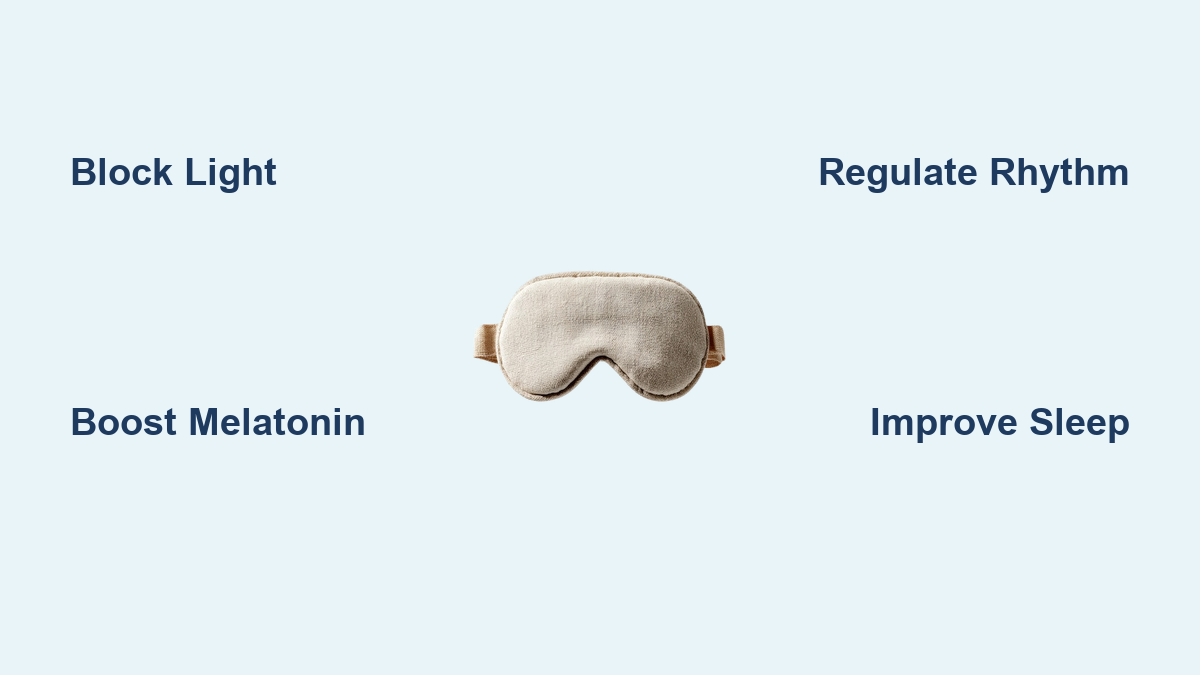
Your body requires total darkness to produce melatonin, the hormone responsible for making you feel sleepy. Artificial light from clocks or windows suppresses this hormone and keeps your brain alert when it should be resting. Sleep masks create an artificial night environment that allows melatonin levels to rise naturally.
How Light Exposure Disrupts Sleep Cycles
Light acts as a primary signal for your internal body clock to stay awake. When your eyes detect even small amounts of light, your brain halts melatonin production and promotes alertness instead. This reaction fragments your sleep and reduces the time spent in deep, restorative stages. A sleep mask eliminates this interference by maintaining complete darkness regardless of external conditions.
Who Needs Complete Darkness Most?
Certain groups experience greater benefits from blocking all light sources during rest periods.
* Shift workers who must sleep during bright daylight hours
* Frequent travelers adjusting to new time zones and irregular light cycles
* Light sleepers who wake easily due to minor changes in room brightness
* Urban dwellers living near streetlights or neon signs
* People with insomnia who need consistent environmental cues to fall asleep
For these individuals, understanding why do people wear sleep masks becomes clear as a necessity rather than a luxury.
Regulate Circadian Rhythms During Irregular Schedules

Your internal clock thrives on predictable patterns of light and darkness throughout the day. Modern lifestyles often disrupt this balance through jet lag or night shift work. Sleep masks help reset this internal timer by simulating nighttime conditions when natural darkness is unavailable.
Reset Your Clock After Long Travel
Jet lag occurs when your internal time does not match your destination time zone. Wearing a sleep mask during flights or early naps tricks your brain into thinking it is nighttime. This practice speeds up adjustment and reduces fatigue symptoms associated with crossing multiple time zones.
Support Night Shift Workers Effectively
Working at night and sleeping during the day goes against natural biological rhythms. Morning sunlight can block melatonin and make daytime sleep nearly impossible for many people. A high-quality sleep mask worn during daytime rest helps maintain melatonin levels for longer and higher-quality sleep.
Improve Sleep Quality and Duration Consistently
Light exposure can prevent you from staying asleep or reaching deep restorative stages even if you fall asleep easily. Sleep masks contribute to longer total sleep time by minimizing disturbances throughout the night. This leads to improved sleep efficiency and better overall health outcomes.
Increase Melatonin Levels Naturally
Melatonin helps you stay asleep once you have drifted off initially. When your eyes remain shielded from light, melatonin levels stay elevated throughout the entire night. This supports uninterrupted sleep cycles and helps you wake up feeling refreshed without grogginess. Unlike supplements, a sleep mask boosts natural hormone production with no side effects.
Reduce Nighttime Wake-Ups Significantly
Many people wake briefly during the night but fall back asleep quickly unless light cues signal them to rise. A sleep mask prevents this confusion by maintaining darkness during these brief moments. This helps you transition smoothly between sleep cycles without fully waking up.
Enhance Relaxation and Strengthen Sleep Routines
Beyond blocking light, sleep masks signal to your brain that it is time to wind down for the night. This psychological cue strengthens your bedtime routine and makes it easier to relax quickly. Consistent use builds a strong mental association between the mask and sleep onset.
Train Your Brain for Faster Sleep Onset
Consistently using a sleep mask as part of your nightly ritual builds a powerful mental connection. Your brain learns that mask on equals time to sleep immediately. This conditioned response can reduce the time it takes to fall asleep, especially for people with anxiety or racing thoughts at bedtime.
Pair with Other Sleep Hygiene Practices
For best results, combine a sleep mask with other healthy habits for optimal rest.
* Dim lights an hour before bed to prepare your body
* Avoid screens 30 to 60 minutes before sleep to reduce blue light
* Keep your bedroom cool and quiet for maximum comfort
* Follow a consistent sleep schedule every day of the week
Using a mask as one part of a broader routine maximizes its effectiveness and reinforces long-term sleep health.
Choose the Right Mask for Your Specific Needs

Not all sleep masks are created equal, and the right fit makes a huge difference in comfort. The material and design you choose can determine whether you sleep well or suffer irritation. Choosing wisely ensures you get the benefits without any drawbacks.
Types of Sleep Masks Available
- Contoured masks: Provide space over the eyes and are ideal for side sleepers
- Cup-style masks: Offer maximum light blockage and eye protection
- Weighted masks: Use gentle pressure to promote relaxation similar to weighted blankets
- Cooling masks: Help regulate temperature for hot sleepers or those with puffiness
- Heated masks: Often used for sinus relief or dry eyes before sleep begins
Key Features to Look For
- Light-blocking seal: Should fit snugly without pressing directly on your eyes
- Adjustable strap: Ensures a secure fit without causing headaches or tension
- Breathable fabric: Silk, cotton, or bamboo prevent sweating and skin irritation
- Washable material: Essential for hygiene and odor control over time
- Earloop compatibility: Some masks work with earplugs or headphones for noise reduction
Avoid masks that are too tight, too thin, or made from synthetic fabrics that trap heat.
Avoid Common Sleep Mask Mistakes
Even a high-quality mask can backfire if used incorrectly or poorly maintained. Knowing what to avoid ensures comfort and effectiveness for long-term use.
Don’t Wear It Too Tight
A common mistake is tightening the strap excessively to prevent light leaks. Excessive pressure can cause headaches, eye strain, or disrupted sleep due to discomfort. Instead, choose a mask with a contoured design that blocks light without squeezing your head.
Don’t Ignore Hygiene Standards
Sleep masks touch your face nightly and collect oils, sweat, and bacteria over time. Washing your mask weekly prevents breakouts and skin irritation. Opt for machine-washable or hand-washable options for convenience and health.
Don’t Use Damaged or Worn-Out Masks
Over time, fabrics stretch, straps loosen, and padding flattens out completely. A worn mask will not block light effectively and may cause discomfort during use. Replace your mask every 6 to 12 months, or sooner if it shows signs of wear.
Support Specific Health Conditions Effectively
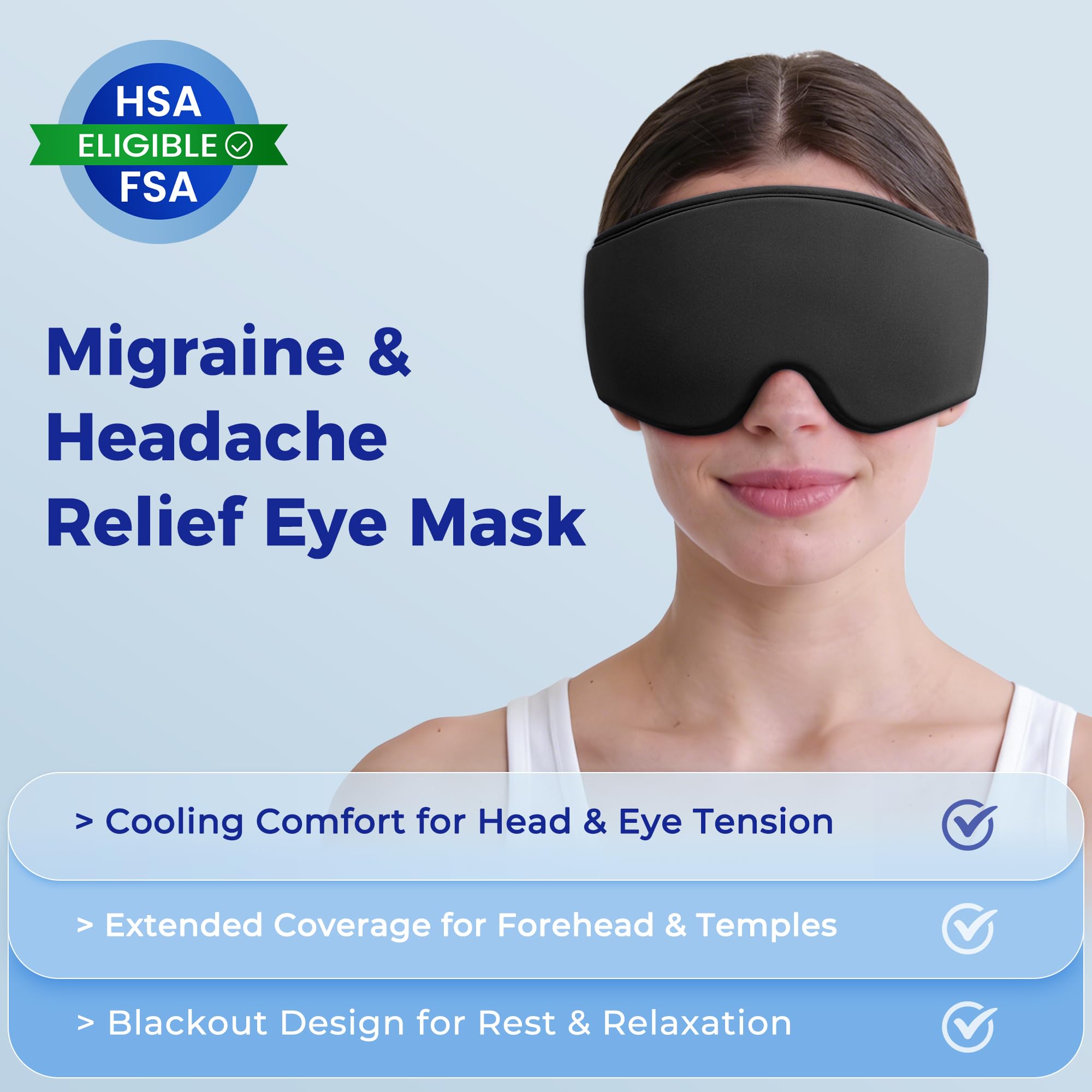
For some people, sleep masks are not just helpful but part of a treatment plan for medical conditions. They provide relief for specific neurological or physical issues affecting rest.
Aid in Migraine and Headache Relief
Many migraine sufferers are sensitive to light, a condition known as photophobia. Even low levels of light can trigger or worsen headaches significantly. Wearing a sleep mask in a dark room helps reduce pain and supports rest during migraine episodes.
Assist Blind and Visually Impaired Individuals
While blind individuals do not perceive light, some still benefit from sleep masks greatly. The pressure or sensory input can be soothing, and the mask reinforces a sleep-conducive environment. For those with partial vision or light perception, blocking residual light improves sleep consistency.
Help with Post-Surgery or Eye Care
After eye procedures like LASIK or cataract surgery, doctors often recommend eye protection during sleep. Sleep masks prevent accidental rubbing or pressure on healing eyes. Some medical-grade masks are designed specifically for post-op care requirements.
Frequently Asked Questions About Sleep Masks
Why do people wear sleep masks if they can just close their eyes?
Closing your eyes blocks some light, but eyelids still allow significant light transmission. Sleep masks provide total darkness that eyelids cannot achieve, ensuring melatonin production remains high for deeper sleep.
Can wearing a sleep mask cause eye damage?
No, sleep masks do not cause eye damage if they fit properly. You should avoid masks that press directly on the eyeballs to prevent discomfort or pressure issues.
How often should I wash my sleep mask?
You should wash your sleep mask at least once a week to remove oils and bacteria. If you use it nightly or have sensitive skin, washing it more frequently is recommended.
Do sleep masks help with jet lag recovery?
Yes, sleep masks help regulate your internal clock by simulating darkness when traveling across time zones. This tricks your brain into sleeping at the correct local time faster.
What material is best for a sleep mask?
Silk, cotton, and bamboo are the best materials because they are breathable and gentle on skin. These fabrics prevent sweating and reduce the risk of skin irritation or acne.
Key Takeaways for Understanding Why People Wear Sleep Masks

Understanding why do people wear sleep masks reveals their power as essential tools for better health. They block disruptive light, regulate circadian rhythms, and improve overall sleep quality without medication. Whether you are a shift worker, traveler, or light sleeper, a well-chosen mask can transform your rest.
Start by selecting a mask that fits your face comfortably and blocks all light effectively. Incorporate it into your nightly routine today to experience deeper, more refreshing sleep tomorrow.