How to Choose a Sleep Mask
Struggling to sleep in a bright room or during a long flight can ruin your rest. You need a solution that blocks light completely without causing discomfort. The right choice makes all the difference between waking up refreshed or feeling groggy.
This guide explains exactly how to choose sleep mask models that fit your face and style. You will learn about materials, shapes, and features that matter most for deep rest. We cover common mistakes so you can find your ideal match quickly.
Match Your Sleep Mask to Your Sleeping Position

Your body position dictates which mask design stays secure all night. A mask that works for back sleepers often fails side sleepers. You must select a shape that accommodates your pillow contact points.
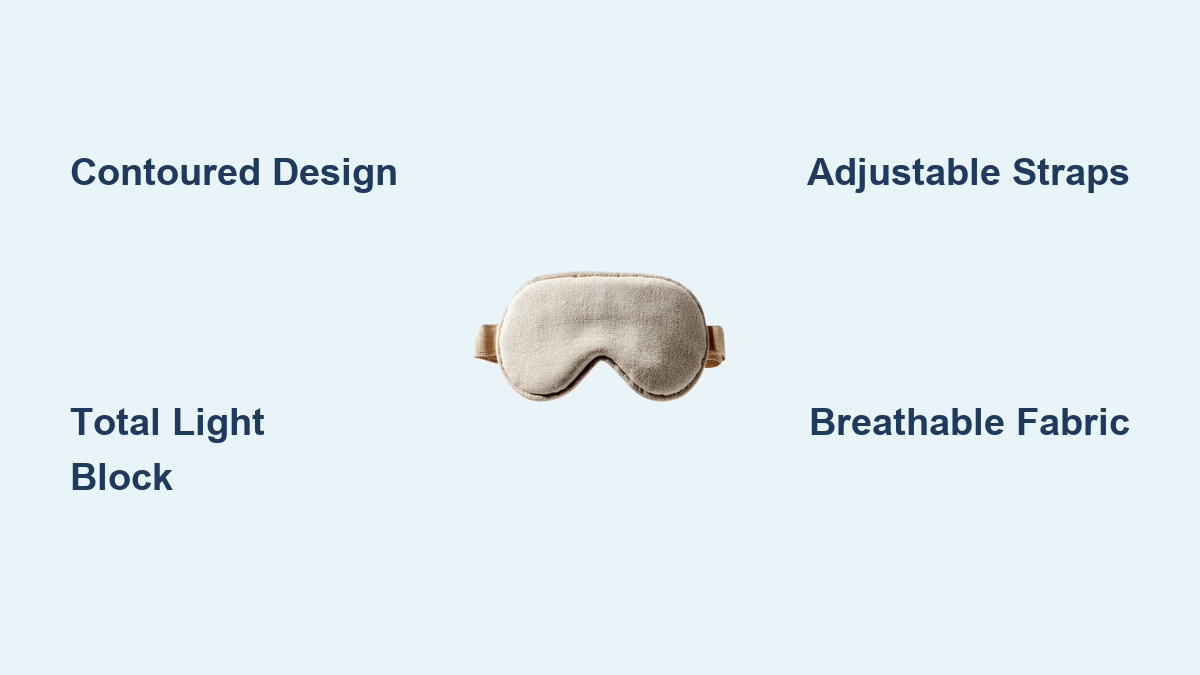
Side Sleepers Need Contoured 3D Designs
Side sleepers face unique pressure challenges when wearing eye coverings. Flat masks often press into your eyes or get squished by the pillow. This causes discomfort and lets light leak in from the sides.
You should look for contoured or 3D sleep masks with molded cups. These create a hollow space over your eyes so fabric never touches your lids. Memory foam edges help seal gaps while maintaining that crucial air pocket.
- Avoid thick padding that collapses under head weight.
- Choose wide elastic bands to prevent slipping without tightness.
- Ensure the mold is deep enough for blinking freely.
Back and Stomach Sleepers Prefer Low Profiles
Back and stomach sleepers have more flexibility regarding mask thickness. Since your face does not press against the pillow, flatter styles work well. However, you still need a secure fit to prevent sliding.
Silk or satin options are excellent for these positions. They glide smoothly over pillows and reduce friction on your hair and skin. Stomach sleepers should still avoid bulky designs that might shift and press on eyes.
- Select low-profile contoured masks for the best balance.
- Use smooth fabrics to minimize hair tangles.
- Check that the nose bridge stays sealed while lying flat.
Prioritize Total Light Blockage Capabilities

The main goal is to create total darkness for your brain. Even small amounts of light can disrupt your circadian rhythm. You need a mask that seals every potential gap around your face.
Seek Full Coverage Around the Eyes
A high-quality mask covers the entire eye area including the brow bone. Gaps at the nose bridge or cheekbones allow stray light to enter. This ruins the dark environment you are trying to create.
Look for models with adjustable nose bridges or flexible nose cups. These features conform to your unique facial structure. Some designs include side shields or extended wings to block peripheral light from lamps.
- Test the mask by closing your eyes and shining a light nearby.
- Move your head side to side to check for leaks.
- Choose multi-panel construction for better facial contouring.
Verify Sealing Against Facial Curves
Facial curves vary greatly from person to person. A flat piece of fabric cannot seal against every curve effectively. You need materials that adapt to your specific bone structure.
Memory foam edges or soft rubber seals improve the fit significantly. These materials compress slightly to fill gaps without applying heavy pressure. This ensures darkness remains consistent even if you move during the night.
Ensure Comfort Through Proper Fit and Strap Design
Discomfort is the fastest way to wake up. A mask that feels tight or itchy will not stay on your face. You need a design that feels like it is not even there.
Adjust Straps for a Custom Fit
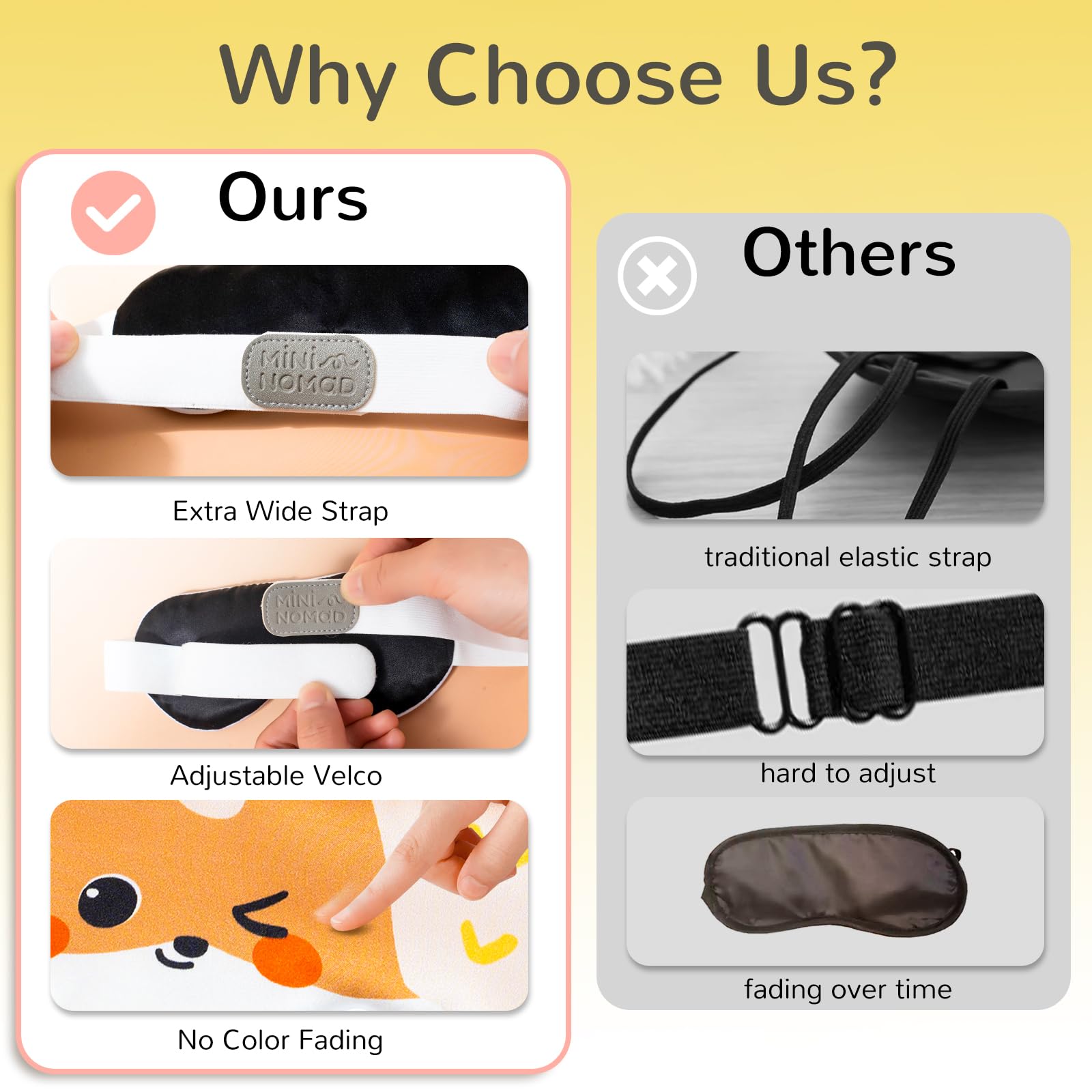
An adjustable strap is essential for long-term comfort. Elastic bands that are too tight cause pressure headaches. Bands that are too loose allow the mask to slip off entirely.
Look for masks with hook-and-loop adjusters or sliding buckles. These let you fine-tune the tension exactly to your preference. Avoid fixed elastic bands unless you have a very standard head size.
- Position the buckle at the back of your head to avoid side pressure.
- Ensure the strap is wide enough to distribute weight evenly.
- Check that the adjustment mechanism does not dig into your scalp.
Prevent Pressure on Eyes and Lashes
Direct pressure on eyeballs can cause discomfort and increase internal eye pressure. This is risky for individuals with glaucoma or sensitive eyes. Pressing on lashes can also cause irritation or lash loss over time.
Opt for eye-shaped or dual-cup designs that hover above the eyes. These provide room to blink freely without touching your lids. This design also prevents smudging of nighttime eye creams or serums.
Select the Best Material for Your Skin Type

Fabric choice affects breathability, temperature regulation, and skin health. The wrong material can trap heat and cause sweating. You want a fabric that feels cool and gentle against your skin.
Silk and Satin Offer Cooling Smoothness
Silk and high-quality satin are top choices for sensitive skin. They feel cool to the touch and reduce friction significantly. This is beneficial for preventing sleep lines and hair breakage.
Real silk is naturally temperature-regulating and soft. Mulberry silk offers the best durability and luxurious feel. For budget-friendly options, charmeuse satin mimics silk’s smoothness but may trap slightly more heat.
- Hand wash real silk to maintain its quality.
- Choose satin for a smooth, affordable alternative.
- Avoid rough textures that irritate delicate facial skin.
Cotton and Bamboo Provide Breathability
Cotton is highly breathable and hypoallergenic. It is ideal for those who sweat at night or have allergies. It is also easy to wash and widely available in many styles.
Bamboo fabric offers even more breathability and natural antimicrobial properties. It wicks moisture away from the skin effectively. However, some bamboo blends may lose their shape after repeated washing.
- Select cotton for easy care and natural feel.
- Try bamboo for superior moisture-wicking abilities.
- Avoid vinyl or cheap polyester that traps heat.
Consider Special Features for Enhanced Relaxation
Modern masks offer more than just simple darkness. You can find features designed for cooling, relaxation, or entertainment. Choose extras based on your specific sleep needs.
Cooling Masks Soothe Hot Sleepers
If you overheat at night, cooling masks provide relief. These often contain a gel layer that you refrigerate before use. The cold sensation helps lower facial temperature and reduces puffiness.
Some cryotherapy masks are designed specifically for headaches or puffy eyes. While effective for short-term relief, they may not stay cold all night. They are best for falling asleep quickly rather than entire night use.
- Chill the mask in the refrigerator before bed.
- Use gel inserts for targeted cooling relief.
- Ensure the cooling element does not make the mask too heavy.
Weighted and Smart Masks for Deep Rest
Lightly weighted masks apply gentle pressure to calm the nervous system. This mimics the effect of a weighted blanket for your face. It is great for anxiety or trouble settling down.
Smart masks include built-in speakers or vibration therapy. These allow you to listen to white noise or guided meditations. Be aware that electronics add bulk and require regular charging.
- Choose light weights between 100 and 300 grams.
- Test smart features for comfort before buying.
- Avoid heavy electronics that restrict movement.
Match Your Sleep Mask to Your Lifestyle

Your daily routine influences which mask works best for you. Travelers have different needs than shift workers. Identify your primary use case to narrow down options.
Travelers Need Compact and Durable Options
Frequent flyers need masks that are lightweight and packable. You do not want a bulky item taking up space in your carry-on. Durability is also key since travel bags can be rough.
Look for masks that come with a protective case. This keeps the mask clean and prevents damage. Machine-washable fabrics are a plus since hotel pillows are not always clean.
- Pack a mask with a dedicated storage pouch.
- Choose quick-dry fabrics for easy washing on the go.
- Select designs that fold flat without losing shape.
Shift Workers Require Maximum Darkness
Sleeping during the day requires blocking intense sunlight. You need a mask with reinforced blackout lining. Extended side coverage is critical to stop morning sun rays.
Pair your mask with blackout curtains for the best results. Test the mask in a bright room to confirm no light seeps in. Consistency in darkness helps regulate your internal clock.
- Invest in high-density blackout materials.
- Ensure side shields are wide enough for day sleeping.
- Check reviews for effectiveness in bright conditions.
Avoid Common Buying Mistakes
Many people buy masks based on looks rather than function. This leads to wasted money and poor sleep. Avoid these common pitfalls to ensure satisfaction.
Do Not Ignore Head Size and Hair Volume
Standard masks may not fit larger heads or thick hair. If you wear braids or have curly hair, tight straps cause pain. You need extra room to accommodate your hair volume.
Look for extra-wide straps or stretchable bands. Some brands offer “large” or “universal fit” versions. Measure your head above the ears if you are unsure about sizing.
- Check product descriptions for size specifications.
- Avoid thin elastic that cuts into hair.
- Prioritize adjustability for a custom fit.
Never Sacrifice Breathability for Darkness
A mask that blocks light but traps heat causes sweating. This discomfort wakes you up faster than light does. Balance is key to a good night’s rest.
Avoid vinyl or rubber-backed masks for overnight use. Instead, choose breathable blackout fabrics with moisture-wicking lining. This keeps your face cool while maintaining total darkness.
- Test the fabric against your skin for airflow.
- Read reviews mentioning heat or sweating issues.
- Choose natural fibers when possible for better breathability.
Test and Replace Your Sleep Mask Regularly
Even the best mask will not last forever. Materials degrade and hygiene becomes an issue over time. You should evaluate your mask periodically.
Try Before You Commit Long Term
If possible, test a mask for at least one full night. Pay attention to whether it stays in place while you move. Check if your eyes feel pressed or if light leaks in.
Many brands offer return policies for this reason. Use them to ensure the mask works for your specific needs. Do not settle for a mask that causes any discomfort.
- Monitor for any skin irritation after use.
- Check if the mask shifts during deep sleep.
- Evaluate light blockage in your actual sleeping environment.
Replace Every 6 to 12 Months
Masks collect oils, sweat, and bacteria over time. Elastic weakens and fabric wears out with regular washing. Replacing your mask ensures optimal hygiene and performance.
Wash your mask weekly using a gentle cycle. Replace it immediately if it no longer blocks light effectively. A worn-out strap or thin fabric means it is time for a new one.
- Inspect the elastic for loss of stretch.
- Look for stains that do not come out in washing.
- Buy a new mask if the shape no longer holds.
Frequently Asked Questions About Choosing Sleep Masks
How do I stop my sleep mask from slipping off?
Ensure the strap is adjusted correctly and not too loose. Masks with wider bands or silicone grips on the inside edge stay in place better. Side sleepers may need a more contoured design to prevent sliding.
Can sleeping with a mask cause wrinkles?
Tight masks can press skin and cause sleep lines. Choose loose-fitting, silk, or satin masks to reduce friction. Avoid pressing the fabric directly against your eyelids to prevent creasing.
Are weighted sleep masks safe for everyone?
Lightly weighted masks are generally safe for most adults. However, people with respiratory issues or claustrophobia should avoid them. Consult a doctor if you have specific health concerns before use.
How often should I wash my sleep mask?
You should wash your sleep mask weekly to remove oils and bacteria. Follow the care label instructions, as silk may require hand washing. Regular cleaning prevents skin breakouts and eye infections.
What is the best material for hot sleepers?
Silk and bamboo are the best materials for hot sleepers. They are naturally breathable and wick moisture away from the skin. Avoid synthetic polyester or vinyl which trap heat.
Key Takeaways for How to Choose Sleep Mask
Choosing the right sleep mask depends on your position, material preference, and need for darkness. Focus on contoured designs for side sleeping and breathable fabrics like silk for comfort. Always prioritize fit and light blockage over aesthetic designs.
Start by identifying your primary sleep style and testing a few options. Replace your mask regularly to maintain hygiene and effectiveness. With the right choice, you can create a perfect dark environment anywhere you go.