Sleep Mask Benefits: Why You Need One
You struggle to fall asleep even when exhaustion sets in because streetlights glow through your curtains. The lingering afterglow from your phone keeps your brain alert instead of letting you drift off. If your environment lacks total darkness, you miss out on restorative rest no matter how comfortable your bed feels. A simple sleep mask solves this problem effectively.
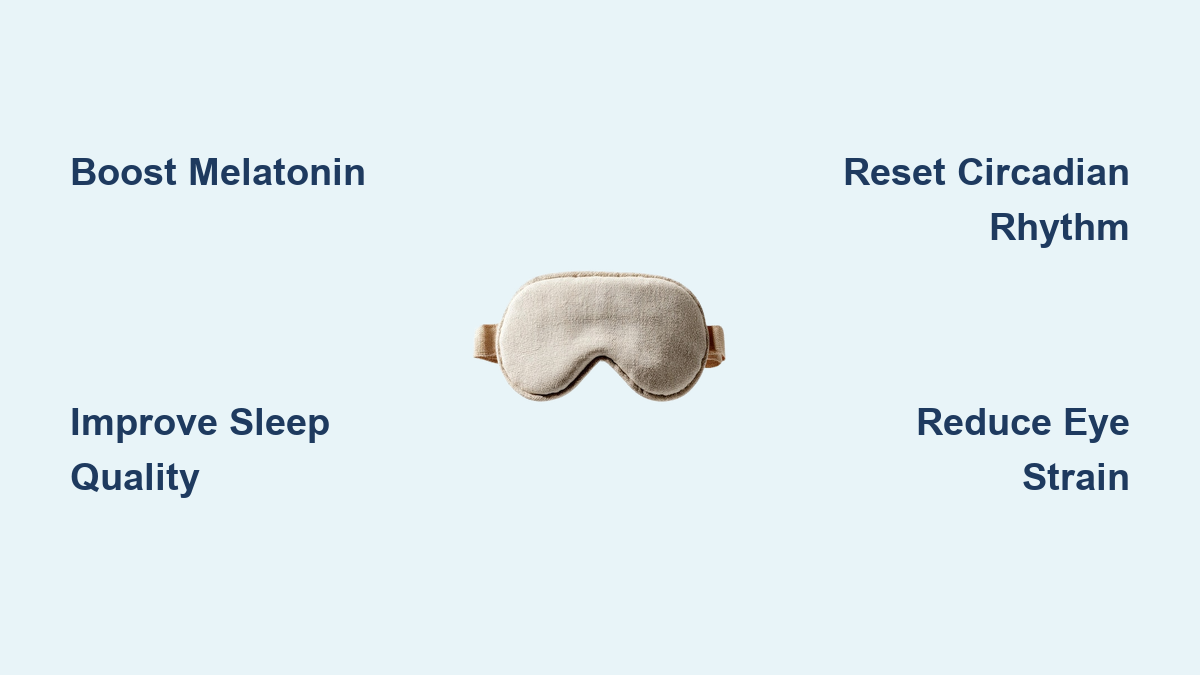
Often overlooked, sleep mask benefits extend far beyond just blocking light to boost melatonin and improve sleep quality. This guide explores science-backed advantages for shift workers, travelers, and anyone battling insomnia. You will learn how to choose the right mask and integrate it into a smarter nightly routine for better health.
Boost Melatonin Production Naturally

Your body requires complete darkness to produce melatonin, the hormone that signals it is time to sleep. Even small amounts of ambient light or blue light from screens can suppress this essential release. A sleep mask creates the total darkness your brain needs to transition smoothly into sleep mode.
How Light Disrupts Sleep Hormones
Artificial light in modern environments confuses your internal clock and delays sleep onset. Wearing a mask mimics natural nighttime conditions by eliminating these visual stimuli. This supports your body’s internal clock and encourages earlier, more consistent melatonin spikes.
Maximize Nightly Hormone Release
Put on your sleep mask 30 minutes before bed to prime your pineal gland for production. This pre-sleep darkness habit helps regulate your sleep-wake cycle over time. You will find it easier to fall asleep and wake up at the same time every day without an alarm.
- Choose contoured designs that allow blinking without light leakage.
- Avoid masks that press directly on your eyelids to ensure comfort.
- Maintain sustained darkness for uninterrupted hormone regulation.
Improve Sleep Quality and Duration
One of the most immediate sleep mask benefits is a significant reduction in the time it takes to fall asleep. Studies indicate that people exposed to darkness drift off faster than those in dimly lit rooms. The mask acts as a personal blackout curtain, signaling your brain that it is safe to shut down.
Fall Asleep Faster with Total Darkness
Light sleepers or those in shared spaces benefit greatly from controlling their light environment. Your partner might read late, or city lights may flood your room unexpectedly. A mask gives you immediate control over your immediate surroundings to induce sleep.
Stay Asleep Longer Through the Night
Sleep masks reduce nighttime awakenings caused by sudden light changes like car headlights or early sunrises. By maintaining constant darkness, your sleep cycles remain undisturbed throughout the night. This leads to more time in deep and REM sleep stages.
- Deep sleep is essential for physical recovery and muscle repair.
- REM sleep supports memory consolidation and emotional regulation.
- Complete sleep cycles help you wake up feeling refreshed instead of groggy.
Support Circadian Rhythm Health
Your circadian rhythm thrives on consistency and environmental cues, particularly light and dark cycles. Inconsistent exposure to these cues causes your internal clock to fall out of sync. This misalignment leads to insomnia, daytime fatigue, or poor concentration during the day.
Reset Your Internal Clock Effectively
A sleep mask helps reinforce the dark phase of your cycle to reset your rhythm. This tool is critical for shift workers, travelers crossing time zones, or anyone with irregular schedules. Using a mask at the same time every night trains your body to expect sleep.
Manage Jet Lag and Shift Work Challenges
Travelers can wear a sleep mask during flights to trick the brain into thinking it is nighttime. This helps you adjust to new time zones faster when paired with earplugs and a neck pillow. Night shift workers can use masks during daytime naps to simulate nighttime conditions.
- Higher-quality rest leads to better alertness on the job.
- Ensure your sleeping space is also cool and quiet to amplify benefits.
- Consistent use strengthens your circadian rhythm over time.
Reduce Eye Strain and Morning Puffiness
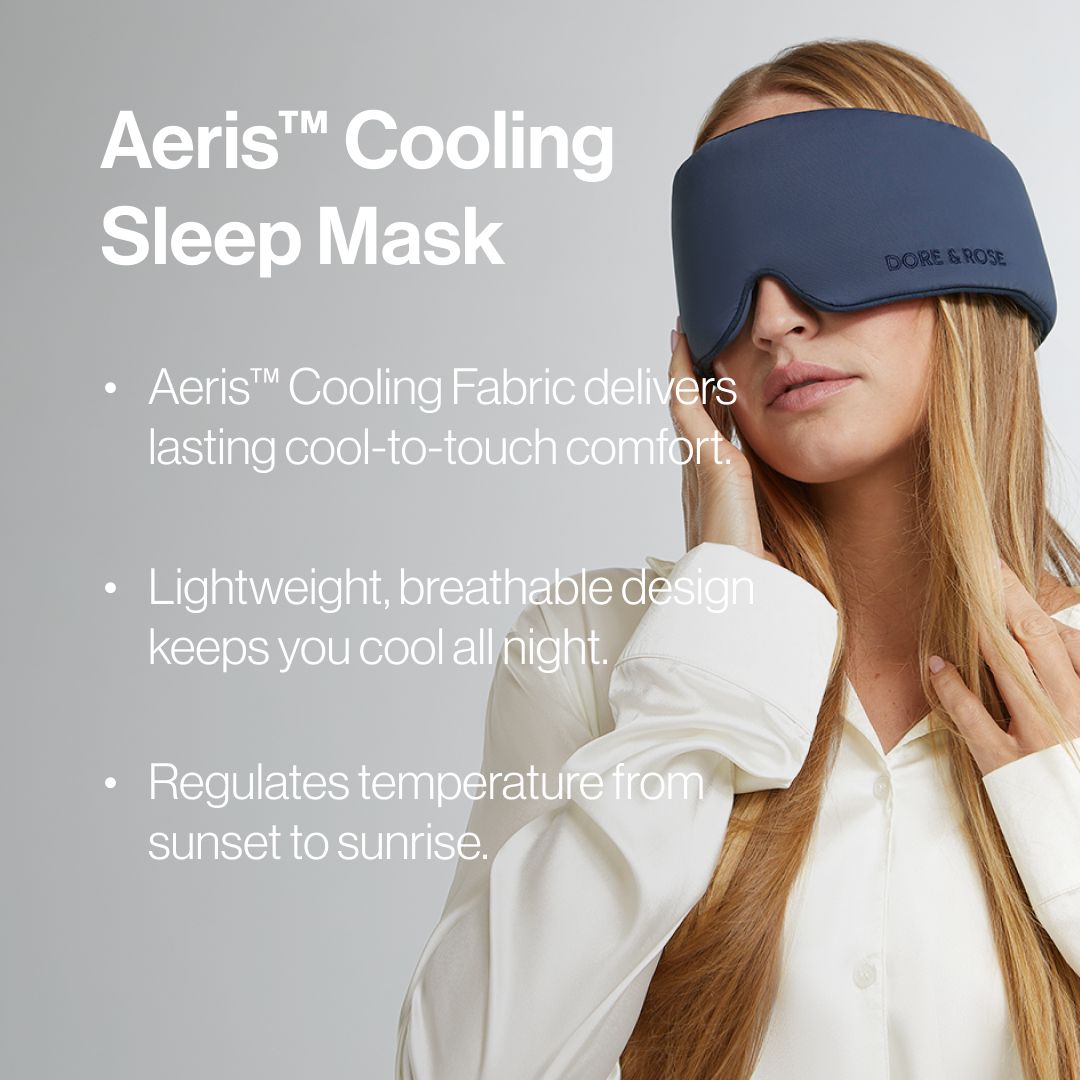
Long screen time leads to dry and strained eyes, especially right before bed. While closing your eyes helps, a weighted or cooling sleep mask adds therapeutic pressure. This eases tension around the eyes and forehead for greater comfort.
Soothe Tired Eyes Overnight
Silk or gel-infused masks offer gentle compression that relieves sinus pressure and reduces eye fatigue. These masks provide physical comfort that enhances relaxation beyond simple darkness. The added pressure feels soothing for those with tension headaches.
Minimize Morning Puffiness Naturally
Fluid retention around the eyes often causes puffiness upon waking in the morning. A chilled or elevated sleep mask helps reduce this swelling by improving lymphatic drainage. This minimizes inflammation effectively before you start your day.
- Store your mask in the fridge or use one with built-in cooling properties.
- Opt for silk or bamboo fabrics that are gentler on skin.
- Avoid cotton masks that absorb moisture and may cause creasing.
Enhance Relaxation and Mental Unwinding
A sleep mask does more than block light because it creates a psychological cue for rest. Just like brushing your teeth, putting on a mask becomes part of a calming bedtime ritual. This mental association helps quiet a racing mind quickly.
Create a Sleep-Ready Mindset
The act of covering your eyes can feel like a reset button for your nervous system. This helps you let go of stress and anxiety that build up during the day. People with overactive thoughts at night find this physical barrier particularly helpful.
Block Visual Distractions Completely
Subtle movements or glowing devices in the room can keep your brain alert unnecessarily. A sleep mask removes these distractions, allowing your mind to disengage from the external world. You are less likely to check the time or notice motion.
- Ideal for shared bedrooms, hotels, or dorms where you cannot control the environment.
- Reduces sleep interruptions caused by visual stimuli.
- Promotes a deeper sense of privacy and security while sleeping.
Choose the Right Mask for You
Not all sleep masks are created equal since the material affects comfort and skin health. The right choice depends on your specific needs regarding breathability and light blocking. Understanding fabric differences ensures you get the most out of your purchase.
Fabric Matters: Silk vs. Cotton vs. Memory Foam
Different materials offer unique advantages for different types of sleepers. Silk is smooth and hypoallergenic, making it gentle on skin and hair. Cotton is breathable and affordable but may retain moisture for some users.
- Silk: Reduces friction that can cause sleep lines and hair breakage.
- Cotton: Breathable but may cause irritation for sensitive skin types.
- Memory foam: Blocks light effectively and contours to facial features.
Fit and Adjustability Tips
A poorly fitting mask can cause discomfort or pressure on the eyes, disrupting sleep. Look for masks with adjustable straps to fit different head sizes comfortably. Wide eye coverage without pressing on eyelashes is essential for a good night.
- Choose breathable, lightweight materials to prevent overheating.
- Avoid elastic bands that dig into the back of the head.
- Opt for soft, stretchable bands with a secure but gentle fit.
Prevent Common Sleep Mask Mistakes
One of the most common mistakes is tightening the strap excessively to prevent light leaks. This excessive pressure can restrict blood flow, cause headaches, or damage delicate eye tissue over time. Proper usage ensures you enjoy all the sleep mask benefits safely.
Don’t Wear It Too Tight
If light gets in, adjust the positioning or choose a better-fitting mask instead of cranking the strap. A properly designed mask should block light without squeezing your head. Comfort is key to keeping the mask on all night.
Clean It Regularly to Avoid Infections
Sleep masks collect oils, sweat, and bacteria, especially silk and memory foam types. A dirty mask can lead to breakouts, eye infections, or unpleasant odors. Washing your mask every 3 to 5 uses is essential for hygiene.
- Silk: Hand wash with mild detergent gently.
- Cotton: Machine washable for easy cleaning.
- Memory foam: Spot clean only and check care labels.
Combine with Other Sleep Hygiene Practices
A sleep mask is most effective when paired with other healthy sleep habits. Keep your bedroom cool between 60 and 67 degrees Fahrenheit for optimal conditions. Eliminate noise with earplugs or white noise machines to create a true sanctuary.
Build a Dark, Quiet Sleep Sanctuary
Use blackout curtains alongside your mask for double protection against light intrusion. This layered approach ensures total darkness and minimizes disruptions from outside sources. A dedicated sleep space signals your brain that it is time to rest.
Pair with a Consistent Sleep Schedule
Even the best mask will not fix chronic sleep deprivation if your bedtime jumps around. Aim to go to bed and wake up at the same time every day, even on weekends. Consistency amplifies the positive effects of your sleep aid.
- Sleep mask benefits become more pronounced over time with routine.
- Deeper, more predictable sleep results from combined efforts.
- Avoid screens one hour before bed to maximize melatonin production.
Frequently Asked Questions About Sleep Mask Benefits
Can wearing a sleep mask improve melatonin levels?
Yes, wearing a sleep mask blocks light that suppresses melatonin production. This helps your body produce enough of the hormone to fall asleep faster and stay asleep longer.
How often should I wash my sleep mask?
You should wash your sleep mask every 3 to 5 uses to remove oils and bacteria. Silk masks need hand washing, while cotton ones can often go in the machine.
Are sleep masks good for people with insomnia?
Yes, sleep masks help people with insomnia by creating a dark environment that promotes relaxation. They reduce visual distractions that can keep the brain alert at night.
What type of sleep mask is best for side sleepers?
Side sleepers should choose contoured memory foam or soft silk masks that do not press on the eyes. Adjustable straps ensure the mask stays in place without digging into the head.
Can a sleep mask help with jet lag?
Absolutely, a sleep mask helps trick your brain into thinking it is nighttime during flights. This assists in resetting your internal clock to match your new time zone faster.
Key Takeaways for Maximizing Sleep Mask Benefits

Using a sleep mask offers a simple yet powerful way to improve your overall sleep health. By blocking light, you boost melatonin production, support your circadian rhythm, and reduce eye strain effectively. These sleep mask benefits make it an essential tool for anyone seeking deeper rest.
Start tonight by choosing a mask that fits your comfort needs and cleaning it regularly. Combine this tool with a consistent schedule and a cool, quiet room for the best results. Your journey to better sleep begins with a single step toward total darkness.