

How to Store a Futon: Quick Steps
You might be moving homes or simply clearing space for the holidays, but leaving your sofa bed unprepared invites dust, pests, and permanent sagging. Learning how to store a futon properly protects the frame mechanism and keeps the mattress fresh for its next use.
This guide details every step from deep cleaning your cushions to selecting the perfect climate-controlled spot. You will discover specific techniques to prevent mold growth and ensure your furniture remains comfortable and functional.
Deep Clean the Mattress and Frame Before Storage
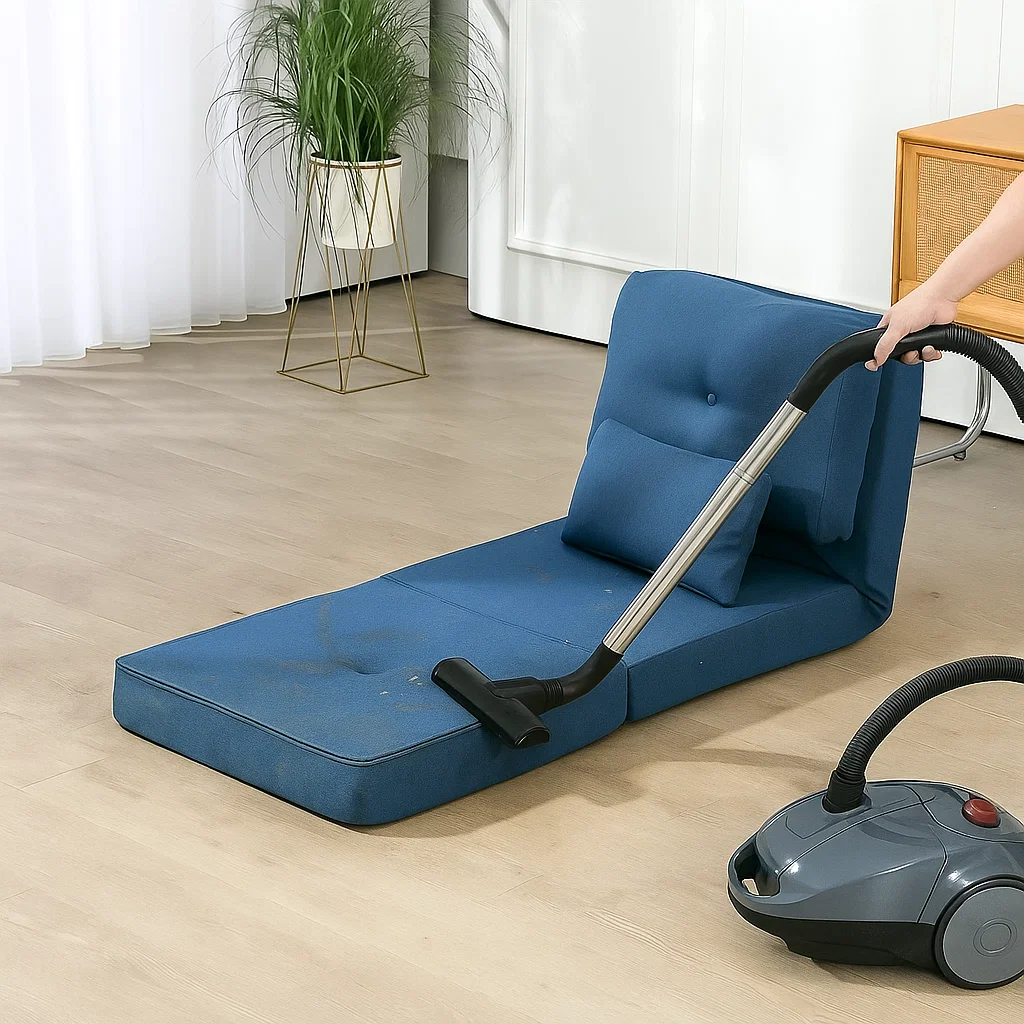
Dirt and body oils left on the fabric can attract pests and cause permanent staining while the item sits idle. Thorough cleaning removes these contaminants and ensures your futon stays fresh during its time in storage.
Vacuum and Spot Clean Fabric Surfaces
Use an upholstery attachment to remove dust from every seam and crevice of the mattress. Mix mild detergent with water to dab at stains gently, ensuring you never soak the fabric or padding. Allow the mattress to dry completely before packing, as trapped moisture leads directly to mold growth.
Wipe Down Wood or Metal Frames
Wipe your frame with a dry cloth or one slightly dampened with appropriate furniture cleaner. Metal parts must dry fully to prevent rust, while wood finishes benefit from a dedicated cleaner suited to their specific coat. Removing grime now prevents sticky residues from hardening over time.
Remove Cushions to Prevent Permanent Indentations
Taking cushions off the frame reduces stress on the hinges and stops deep creases from forming in the foam. This simple step preserves the original shape and comfort level of your seating area.
Detach Seat and Backrest Sections
Check for zippers, Velcro, or clips that allow you to separate the seat and backrest cushions easily. If your model does not allow removal, simply fluff and rotate the cushions to relieve pressure points before covering.
Store Cushions Flat or Upright with Support
Lay cushions flat on a clean surface whenever possible to maintain their structural integrity. If space is tight, stand them upright with firm support so they do not bend or warp under their own weight. Wrap them in a breathable cotton sheet to block dust while allowing air circulation.
Fold and Secure the Frame Mechanism
Leaving a futon frame partially open can cause the metal hinges to warp or the locking mechanism to fail. Properly securing the frame ensures it remains stable and ready for immediate use later.
Close the Futon Into Compact Position
Fold the frame completely into either the sofa or bed position, whichever takes up less space in your storage area. Engage all locking latches or pins to keep the structure rigid and prevent accidental unfolding during transport.
Inspect and Lubricate Moving Parts
Check all hinges and bolts for looseness or signs of early rust before locking them away. Tighten any loose screws and apply a light spray of silicone lubricant to hinges, avoiding oil-based products that attract dust.
Select a Dry Climate Controlled Storage Location
The environment where you place your furniture matters just as much as the cleaning process you performed earlier. Humidity and temperature fluctuations are the primary enemies of stored fabric and wood.
Avoid Damp Basements and Unheated Garages
Never store your futon in a basement, shed, or garage unless the space is strictly climate controlled year-round. High humidity in these areas causes mold to bloom inside mattresses and accelerates rust on metal frames.
Choose an Indoor Room With Stable Temperatures
Select a spare bedroom, closet, or dedicated storage room inside the main living area of your home. If you must place items on a concrete floor, use pallets or plastic risers to create a barrier against rising moisture.
Use Breathable Covers Instead of Plastic

Many people make the mistake of wrapping furniture in plastic bags, which traps humidity and encourages mildew growth. Your goal is to block dust while still allowing the materials to breathe.
Wrap Items in Cotton or Fabric Covers
Slip the entire futon or its individual components into breathable fabric covers designed for furniture storage. These covers effectively block dust and pests while permitting necessary air circulation to prevent musty odors.
Avoid Sealing Furniture in Vinyl Wraps
Sealing a futon in non-porous plastic invites condensation, especially if temperatures fluctuate during the day or night. If you must use plastic for moving purposes, leave the item uncovered for 24 hours before sealing and include silica gel packs to absorb moisture.
Elevate the Futon Off the Floor Surface

Direct contact with flooring increases the risk of water damage from spills, leaks, or rising dampness. Elevation also improves airflow around the entire piece of furniture.
Place on Pallets or Plastic Risers
Lift the futon at least two inches off the ground using wooden blocks, plastic risers, or a small pallet. This simple elevation protects the bottom layer from accidental spills and allows air to circulate underneath.
Maintain Airflow Space Around All Sides
Do not push the stored futon tightly against walls or stack other heavy furniture directly on top of it. Leave a few inches of space on all sides to ensure proper ventilation and reduce the chance of mold spots.
Prevent Pest Infestations and Bad Odors
Unwanted bugs like bed bugs or moths can destroy fabric, while stagnant air creates unpleasant musty smells. Proactive measures keep your storage area safe and fresh.
Inspect Seams for Bed Bugs or Mites
Carefully examine all seams, folds, and crevices for signs of bugs before placing the item in storage. If you suspect an infestation, treat the furniture professionally before storing it to avoid spreading pests to other areas.
Deploy Natural Odor Absorbers Nearby
Place an open box of baking soda or a sachet filled with cedar chips near the stored futon to deter pests. These natural absorbers help eliminate stale smells without introducing harsh chemicals that could damage the fabric.
Perform Regular Maintenance Checks During Storage
Long-term storage requires occasional attention to ensure conditions remain ideal and no new issues have developed. Neglecting these checks can lead to surprises when you finally unpack.
Uncover and Air Out Every Few Months
Every two to three months, remove the cover and let the futon breathe in a well-ventilated room for a few hours. This practice prevents foam compression and helps you spot early signs of mold or pest activity.
Flip Double Sided Mattresses Regularly
If your futon mattress has two usable sides, flip it during your regular checkups to ensure even wear. This rotation maintains the structural integrity of the internal filling and extends the overall lifespan.
Reassemble and Test Functionality Before Use
Do not immediately use the futon after removing it from storage without a quick inspection and test run. A brief check ensures everything works smoothly and smells fresh.
Check for Musty Smells or Visible Stains
Air the item out in a ventilated space and sniff for any mild odors that may have developed while packed away. If a smell persists, sprinkle baking soda on the fabric, wait thirty minutes, and then vacuum it up thoroughly.
Test the Folding Mechanism Multiple Times
Open and close the frame several times to confirm the hinges move smoothly and locks engage correctly. Re-tighten any bolts that may have loosened during the storage period to ensure safety and stability.
Frequently Asked Questions About Storing Futons
Can I store my futon in a garage or basement?
You should avoid storing futons in garages or basements unless they are fully climate controlled. These areas often have high humidity levels that cause mold growth on mattresses and rust on metal frames.
Is it safe to wrap a futon in plastic for long term storage?
No, wrapping a futon in plastic traps moisture and leads to mildew and mold issues. You should use breathable cotton or fabric covers that block dust while allowing air to circulate freely.
How often should I check on my stored futon?
You should inspect your stored futon every two to three months to ensure it remains dry and pest free. During these checks, air out the fabric and flip the mattress if it is double sided.
What is the best way to prevent odors while storing a futon?
Place an open box of baking soda or cedar chips near the futon to absorb smells and deter pests naturally. Ensure the storage area is clean and dry before placing the furniture inside.
Should I remove the cushions before storing the frame?
Yes, removing cushions reduces strain on the frame hinges and prevents permanent indentations in the foam. Store the cushions flat or upright with support, separately from the main frame.
Key Takeaways for Storing Your Futon Safely
Properly storing your futon requires cleaning, elevating, and covering it with breathable materials to prevent damage. By choosing a dry indoor location and performing regular checks, you ensure the furniture remains comfortable and functional for years.
Start by vacuuming your mattress and wiping down the frame today to prepare for safe storage. Follow these steps to protect your investment and enjoy a fresh, ready-to-use futon whenever you need it again.