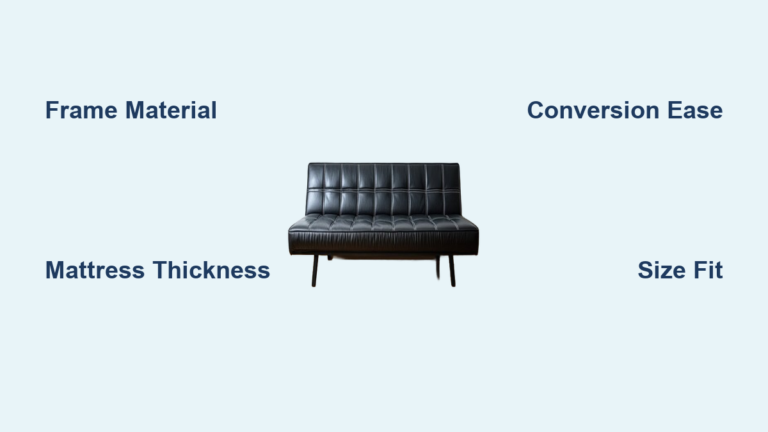

Make Your Futon Couch More Comfortable
Does your futon couch feel more like a stiff bench than a cozy spot to relax? Many people struggle with lumpy surfaces and sagging frames that make sitting or sleeping difficult. The good news is that you do not need to buy new furniture to fix these issues.
You can dramatically improve comfort with smart upgrades and simple tweaks. This guide reveals proven methods to transform an uncomfortable futon into a plush space. Learn how to add high-density toppers and reinforce weak frames for better rest.
Revitalize the Existing Mattress Core

A worn or low-quality mattress is the primary reason futons feel uncomfortable. Most come with thin padding that flattens quickly over time. Rehabilitating the core changes everything before you spend money on replacements.
Rotate and Fluff Compressed Foam
Regular maintenance prevents deep indentations and uneven wear patterns. Rotate your mattress every few months by flipping the head to the foot position. If the surface feels flat, tightly roll the mattress up and then unroll it to redistribute the foam. For fiber-filled models, gently beat the surface with a broom handle wrapped in a towel.
- Flip the mattress head-to-foot regularly.
- Roll and unroll tightly to restore volume.
- Use a towel-covered tool to beat fibers gently.
Pro Tip: Perform the beating technique outdoors or over a hard floor to contain dust effectively.
Customize Internal Fill Levels
Some futon mattresses allow you to access the internal stuffing directly. You can customize the firmness level to match your specific preference if your model permits. Remove small amounts of filling if the surface feels too hard for your liking. Add polyester batting or shredded foam if the mattress feels too soft or lumpy.
- Remove filling to reduce firmness.
- Add batting to rebuild lost support.
- Test the feel after every small adjustment.
Replace the Mattress with High-Density Foam

Rehabilitation sometimes fails to restore adequate comfort levels. Replacing the entire mattress offers the most significant improvement for daily users. A high-density foam or memory foam model designed for futons provides consistent support.
Select the Ideal Thickness and Material
Choose a mattress that balances support with the ability to fold properly. A thickness of approximately 2 inches works best for most folding mechanisms. Thicker options may prevent the frame from closing completely or cause damage to the hinges.
- Look for high-density foam for firm support.
- Select memory foam for pressure relief.
- Ensure the thickness allows the frame to fold.
Prioritize Waterproof and Stain-Resistant Covers
Durability matters especially in high-use environments or households with pets. Look for models featuring waterproof and stain-resistant covers. These materials protect the internal foam from spills and extend the life of your investment significantly.
Reinforce the Frame and Base Structure

Even the best mattress fails on a weak frame structure. Budget futons often have flimsy slats or wide gaps that cause sagging. Fixing the base creates a solid foundation for real comfort.
Eliminate Sag by Using the Floor
Remove the mattress from the frame entirely for nighttime sleeping. Place it directly on a solid floor surface like hardwood or tile. This provides a completely firm base that eliminates dips and improves back support immediately.
Note: Use a non-slip rug pad underneath to prevent shifting and protect your flooring.
Install Wooden Slats or a Platform
You must reinforce the frame if you cannot use the floor. Install a half-inch plywood platform across the frame rails for maximum stability. Alternatively, add wooden slats spaced no more than two to three inches apart. Secure these additions with screws or brackets to prevent movement.
- Install plywood for a solid surface.
- Add slats to distribute weight evenly.
- Secure all additions with hardware.
Level the Seating Surface Gaps
Gaps between the backrest and seat create an awkward dip in couch mode. Fix this by placing foam wedges or small pillows under the seat cushion. You can also use adjustable shims behind the backrest to create a straight line.
Add a Mattress Topper for Instant Relief
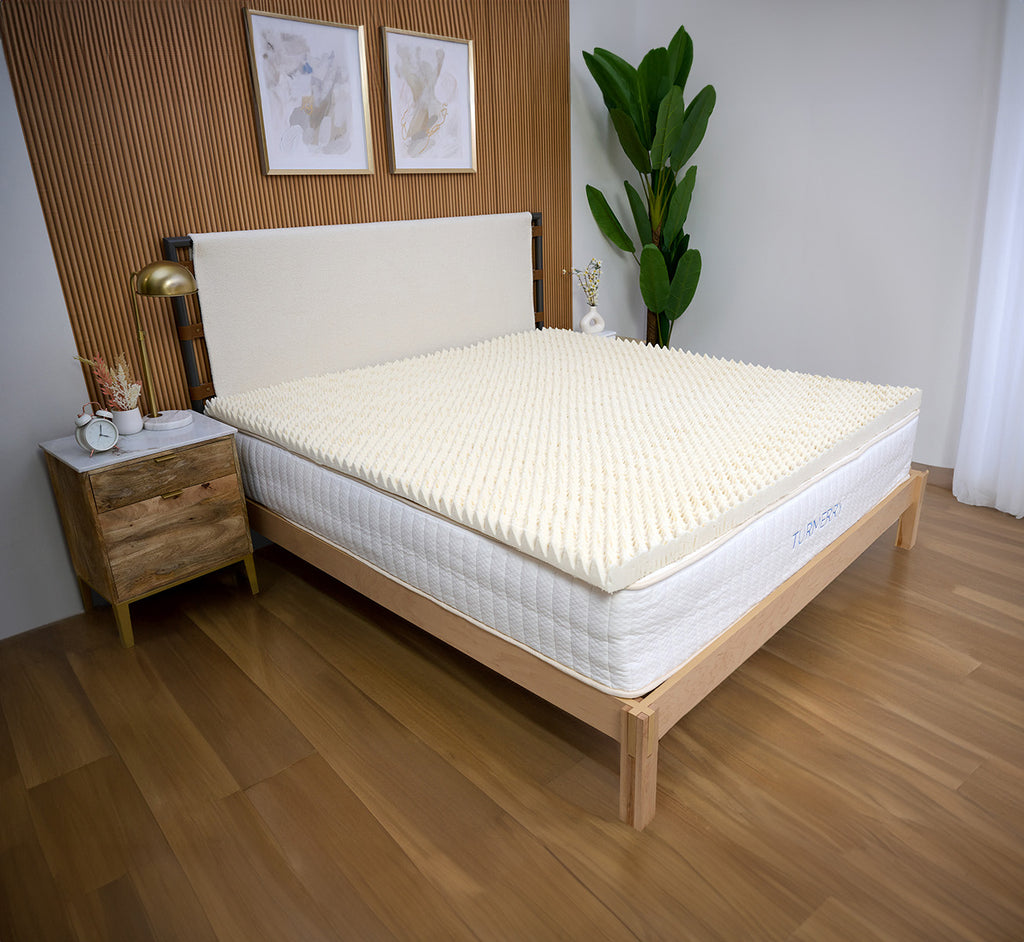
No single upgrade delivers faster results than a quality topper. It is the easiest way to turn a hard futon into a cloud-like surface without replacing the whole unit.
Choose an Egg-Crate Foam Design
Foam egg carton toppers are ideal for futons due to their unique design. The bumpy surface provides extra cushioning while improving airflow significantly. This design offers pressure relief for hips and shoulders without adding excessive bulk.
- Select a topper at least 1.5 inches thick.
- Avoid thick memory foam that hinders folding.
- Look for designs that promote air circulation.
Secure the Topper Effectively
A loose topper shifts when you convert the futon from bed to sofa. Place the topper directly on the mattress and add a non-slip mattress pad underneath. Cover everything with a fitted sheet to hold the layers in place securely.
Layer Protective Covers and Pads
Surface texture and hygiene affect comfort levels significantly beyond just support. The right layers add softness and protect your investment from daily wear.
Install a Non-Slip Mattress Pad
A high-quality mattress pad softens the feel while protecting against sweat and spills. Choose one with a non-slip bottom made of rubber or silicone grip. Breathable fabrics like cotton or bamboo blends work best for temperature regulation.
- Ensure the bottom has a non-slip grip.
- Select breathable natural fibers.
- Verify the pad is machine washable.
Use a Washable Futon Cover
Most futons come with permanent upholstery that is difficult to clean. Removable covers are a game-changer for maintaining freshness. Buy a futon-sized slipcover in a durable fabric or have a custom cover made with stain-resistant material.
Optimize Bedding and Seating Arrangements
Comfort depends on how you use the furniture as much as the furniture itself. Smart bedding and accessories make a massive difference in daily usability.
Select Lightweight Breathable Bedding
Avoid heavy quilts that bunch up when you fold the futon. Use a lightweight duvet with a removable cover instead. Stick to natural fibers like cotton or bamboo because they breathe well and feel soft against skin.
- Use a lightweight duvet for warmth.
- Add a flat sheet for hygiene.
- Secure layers with a fitted sheet.
Add Seat Pads and Lumbar Support
The futon should feel like a real couch during the day. Boost daytime comfort with a thick seat cushion made of high-resilience foam. Add decorative throw pillows for lumbar and neck support while mixing textures for visual appeal.
Maintain Long-Term Comfort and Function
A comfortable futon stays that way only with regular care and attention. Prevent future issues with smart maintenance routines.
Test the Folding Mechanism Monthly
Check hinges and folding joints every few weeks for looseness. Tighten loose screws and lubricate moving parts with silicone spray. Avoid using oil because it attracts dust and creates a mess over time.
Keep the Area Clutter-Free for Safety
Leave at least 12 inches of clearance around the futon for easy conversion. Store extra pillows and bedding in under-seat bins or rolling drawers. This keeps the space tidy and ensures the mechanism functions smoothly.
Prioritize Sleep Health Outcomes
Sleeping on an uncomfortable surface leads to poor posture and back pain. Chronic sleep deprivation affects mood and focus as severely as alcohol intoxication. Improving your futon protects your overall well-being and health.
Summary of Comfort Upgrades
| Upgrade | Benefit | Time to Install | Cost Estimate |
|---|---|---|---|
| Foam Mattress Topper | Instant softness and support | 5 minutes | $20–$50 |
| High-Density Mattress | Long-term comfort and durability | 15 minutes | $100–$200 |
| Wooden Slats or Platform | Eliminates sagging | 30–60 minutes | $20–$60 |
| Non-Slip Mattress Pad | Prevents shifting and adds softness | 5 minutes | $15–$30 |
| Removable Futon Cover | Easy cleaning and fresh look | 10 minutes | $40–$80 |
| Floor Placement | Maximum firmness and support | 2 minutes | $0 |
Frequently Asked Questions About Futon Comfort
How thick should a futon topper be?
A topper between 1.5 and 2 inches thick provides the best balance of comfort and foldability. Thicker options may prevent the frame from closing properly or damage the hinges over time.
Can I put a futon mattress on the floor?
Yes, placing the mattress directly on a hard floor eliminates frame sagging and provides firm support. Use a non-slip pad underneath to prevent shifting and protect your flooring from damage.
How do I fluff a flattened futon mattress?
Tightly roll the mattress and then unroll it to redistribute the internal foam structure. For fiber-filled models, gently beat the surface with a towel-covered broom handle to reloft the fibers.
What is the best material for a futon cover?
Choose breathable natural fibers like cotton or bamboo for the best comfort. Look for removable and washable covers with stain-resistant properties for easy maintenance and durability.
Why does my futon hurt my back?
Back pain often results from sagging frames or thin mattresses that lack proper support. Reinforcing the base with slats or placing the mattress on the floor can alleviate this issue immediately.
Key Takeaways for Making Your Futon More Comfortable
Transforming your futon requires addressing both the internal structure and external layers. Start by reinforcing the frame or placing the mattress on the floor to eliminate sagging. Then add a high-density topper and breathable bedding for instant relief.
Regular maintenance like rotating the mattress and tightening hinges ensures long-term success. Invest in washable covers to keep your space fresh and hygienic. These simple steps will make your futon a comfortable haven for sitting and sleeping.