Sleep Apnea Mask Types: A Complete Guide
Starting CPAP therapy often feels overwhelming, especially when you cannot find a comfortable sleep apnea mask type. A poor fit leads to air leaks, skin irritation, and frustrated nights where treatment fails to work effectively.
This guide helps you match your specific breathing style and lifestyle to the right design for success. You will learn how to choose between nasal pillows, full-face options, and hybrid models to ensure restful sleep and consistent therapy adherence.
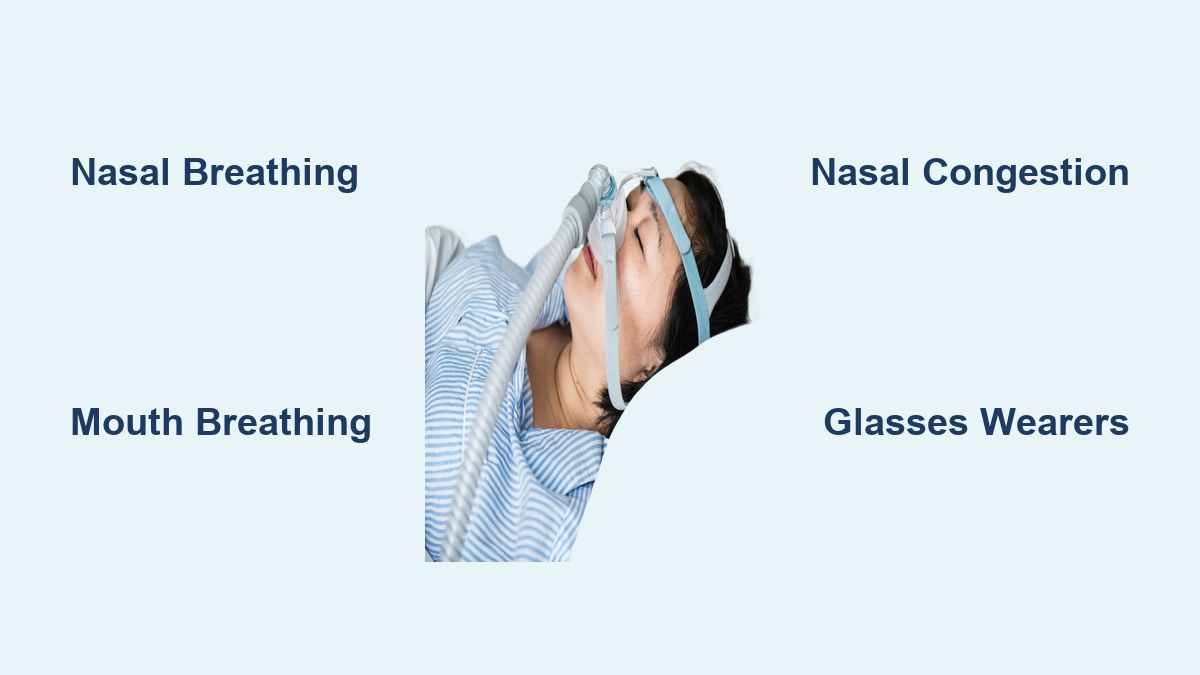
Match Your Breathing Style to the Right Mask
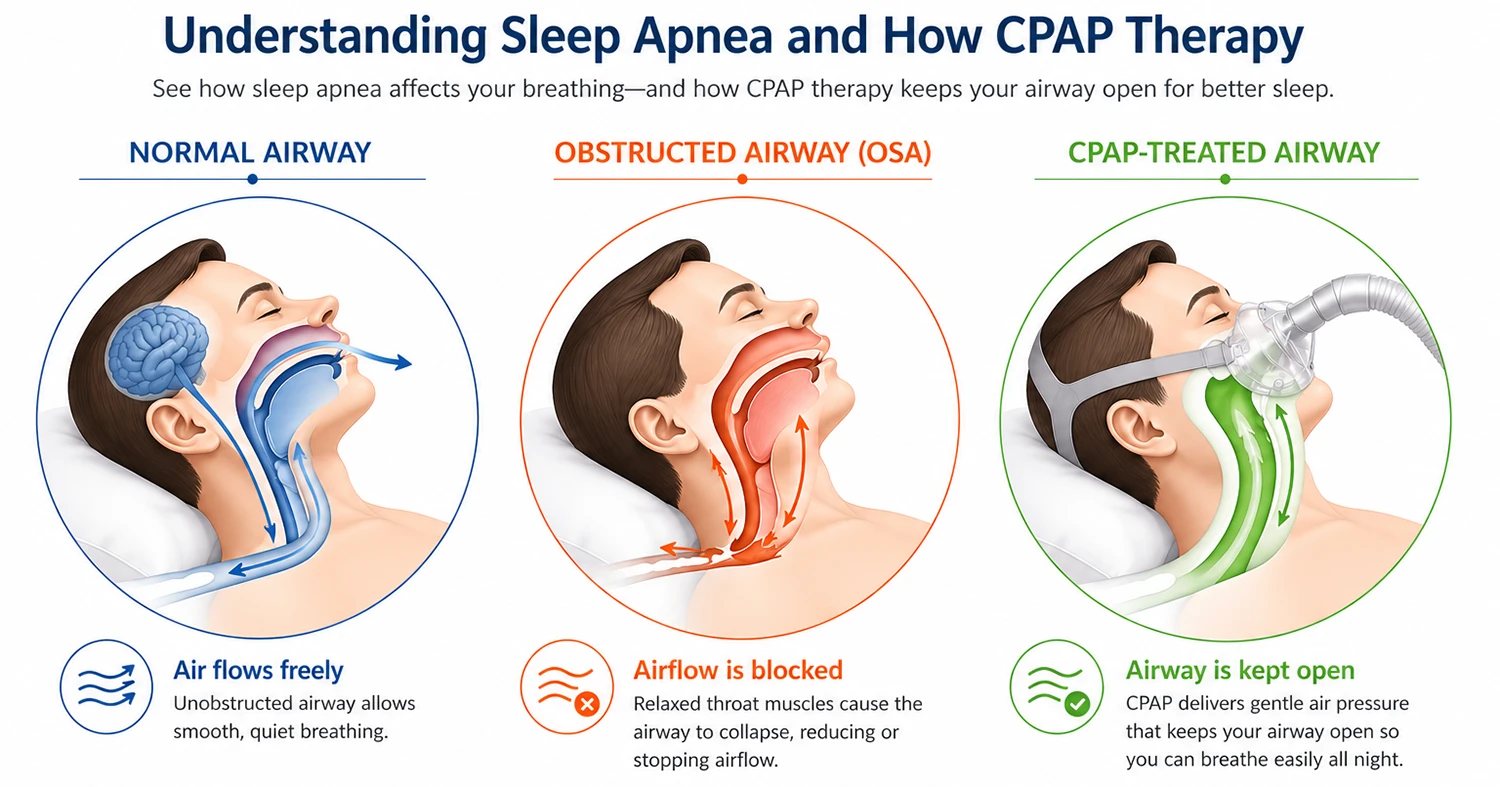
Your natural breathing pattern during sleep dictates which interface works best for your therapy. Choosing the wrong style causes air to escape, dropping pressure levels and rendering the treatment useless.
Do You Breathe Through Your Nose?
If you keep your mouth closed and breathe easily through your nose, a nasal mask or nasal pillow mask is likely your best option. These designs deliver air directly to nasal passages without covering the mouth, offering a lighter feel and better visibility.
Nasal masks create a soft seal around the entire nose and handle higher pressure settings well. Nasal pillows use small cushions at the nostril base, making them perfect for people sensitive to facial contact.
Pro Tip: If you are a nasal breather but occasionally leak air from your mouth, try a chin strap before switching to a full-face mask.
Do You Breathe Through Your Mouth?
Mouth breathing undermines nasal-only therapy because air escapes when your jaw drops open. You must switch to a full-face mask or an oral hybrid mask to maintain effective pressure levels.
Full-face masks cover both the nose and mouth to ensure therapy continues regardless of your breathing route. Oral masks deliver air only through the mouth while leaving the nose open, which helps those with nasal obstructions.
Warning: Do not ignore mouth leaks. Even small gaps reduce therapy effectiveness and can cause dry mouth or persistent fatigue.
Do You Deal With Nasal Congestion?
Chronic stuffiness from allergies or a deviated septum makes nasal breathing difficult and frustrating. Relying on a nasal-only mask under these conditions often leads to mouth breathing and treatment failure.
Bypass the nose entirely with a full-face or oral mask in these scenarios. Alternatively, pair a nasal mask with heated humidification to moisten air and help open nasal passages for easier breathing.
Expert Note: Humidifiers reduce congestion but are not a fix for structural blockages. Consult your provider about surgical solutions for long-term breathing issues.
Compare the Four Main Sleep Apnea Mask Types

Each sleep apnea mask type offers distinct advantages and limitations for different users. Understanding these differences helps you compare features, comfort levels, and ideal use cases effectively.
Nasal Pillow Masks: Minimal and Lightweight
Nasal pillow masks are the least intrusive option available on the market today. Small silicone cushions rest at the nostril entrance to deliver air with minimal facial contact.
Why choose this style:
* Leaves most of the face completely uncovered
* Provides best peripheral vision for reading or TV
* Ideal for users with claustrophobia concerns
* Lightweight design reduces pressure sores
Who should avoid it:
* Those needing very high pressure settings
* People with irregular nostril shapes
* Users who breathe primarily through their mouth
Real-World Use: Travelers love nasal pillows for their compact size. They are also popular among side sleepers due to minimal contact with the pillow.
Nasal Masks: Balanced Performance
Nasal masks cover the entire nose with a soft silicone cushion for a secure fit. They connect to headgear with adjustable straps and often include a forehead support bar for added stability.
Why choose this style:
* Handles high pressure settings effectively
* Secure fit for active sleepers who move
* Better seal than pillows for some users
* Less bulky than full-face models
Who should avoid it:
* Mouth breathers without a chin strap
* Those who wear glasses and need an unobstructed nose bridge
* Users with facial hair under the nose that breaks the seal
Fit Tip: Forehead bars prevent the mask from slipping down during sleep. Adjust the bar height to match your facial angle for optimal stability.
Full-Face Masks: For Nose and Mouth Coverage
Full-face masks cover both the nose and mouth to deliver air regardless of breathing route. They are larger but highly effective for specific user profiles who cannot rely on nasal breathing alone.
Why choose this style:
* Essential for consistent mouth breathers
* Works well during periods of nasal congestion
* Prevents therapy gaps when the mouth opens
* Reliable for high-pressure users who breathe orally
Who should avoid it:
* Users seeking minimal facial contact
* Those with facial hair on cheeks or chin
* People who read or watch screens in bed due to visual obstruction
Leak Alert: Common leak points occur around the upper lip and chin. Ensure the cushion sits flush without overtightening straps, which can distort the seal.
Oral and Hybrid Masks: Glasses-Friendly Design
Oral or hybrid masks deliver air exclusively through the mouth while leaving the nose and eyes open. This specialized design solves unique challenges that other masks cannot address effectively.
Why choose this style:
* Perfect for exclusive mouth breathers
* Allows unrestricted nasal breathing when needed
* No interference with eyeglasses or reading glasses
* Reduces facial pressure for sensitive skin areas
Who should avoid it:
* Nasal breathers who do not need mouth delivery
* Users who dislike mouth-only airflow sensation
* Those needing maximum stability with many anchor points
Hidden Benefit: These are ideal for people with facial scarring or trauma that prevent standard mask fitting around the nose.
Prioritize Comfort and Skin Health

Even the most effective sleep apnea mask type fails if it causes pain or irritation. Comfort is essential for long-term adherence to your therapy regimen.
Avoid Pressure Sores and Red Marks
A good mask seals without digging into your skin aggressively. Redness or sores on the nose bridge, forehead, or chin mean the fit is too tight or poorly aligned.
Fix these issues by:
* Loosening straps until only light tension is needed
* Rechecking alignment such as forehead bar height
* Trying a different size or cushion material
* Rotating mask types weekly to relieve pressure points
Rule of Thumb: You should be able to slide a finger under the strap without force. If you cannot, it is too tight.
Choose Skin-Friendly Materials
Silicone cushions are standard, but some users react to certain formulations or textures. Look for soft gel or memory foam alternatives if standard materials irritate you.
Many brands offer comfort kits with upgraded cushion materials to help sensitive skin. Ask your supplier if standard options cause irritation so they can provide hypoallergenic labels or fabric-based headgear.
Nighttime Tip: Wash your face before bed with non-moisturizing soap. Oils and lotions degrade cushion seals and increase slipping during the night.
Optimize Fit and Seal Integrity
A mask that leaks air wastes therapy and disrupts your sleep cycle significantly. A proper seal ensures consistent pressure and quiet operation throughout the night.
Test for Air Leaks Daily
Check for leaks every night during the first few weeks of use. Look for signs like a draft feeling around eyes, dry throat, loud hissing sounds, or the mask shifting position.
Quick leak check steps:
1. Turn on the machine while you are awake
2. Sit upright and breathe normally
3. Feel around the cushion edges for escaping air
4. Adjust strap tension or reposition the mask as needed
Pro Move: Use the smile test. Smile while wearing the mask. If it pulls away from your face, the fit is too loose or misaligned.
Size Is Not Universal Across Brands
Mask sizing varies wildly between brands and models significantly. A small in one brand may fit like a medium in another, so never assume your old size applies.
Best practices for fitting:
* Request trial samples from your DME provider
* Test multiple sizes in person or via home try-on programs
* Involve a respiratory therapist in the fitting process
* Reassess fit every six to twelve months as face shape changes
Fact: Up to 70% of users need a different size when switching models, even within the same brand.
Align Mask Choice With Lifestyle Needs
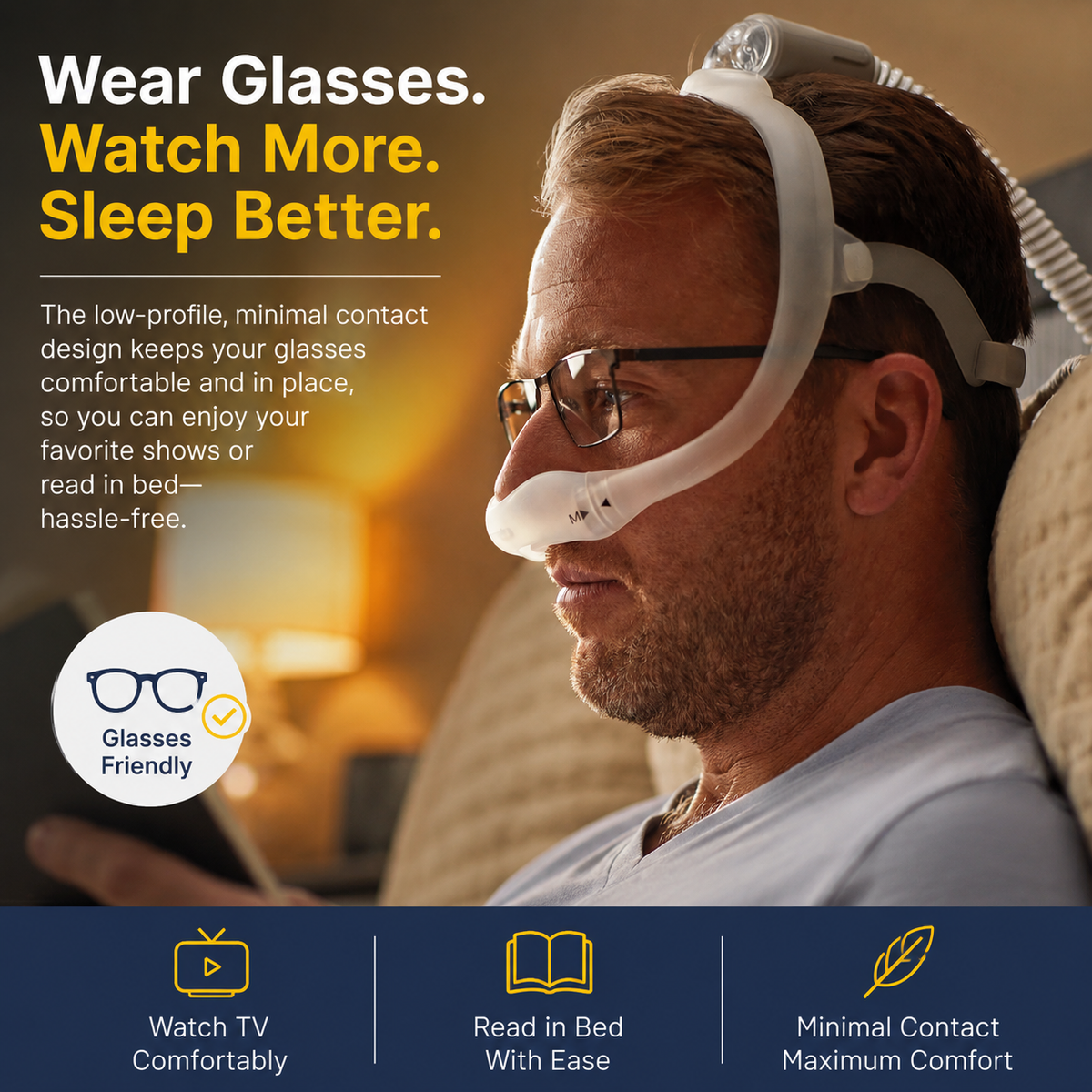
The best sleep apnea mask type fits seamlessly into your life. Consider your bedtime habits before deciding on a specific model.
Need to Wear Glasses in Bed?
Standard nasal and full-face masks often interfere with eyeglass arms. The frame blocks the nose bridge, and straps catch on temples, causing discomfort.
Use an oral or hybrid mask to leave the entire nose and eye area free. Some nasal pillow models also offer low-profile designs compatible with glasses for those who prefer minimal contact.
Hack: Try flexible-frame reading glasses or magnetic sleep masks that attach to the CPAP headgear instead of resting on your ears.
Love Watching TV or Reading?
Bulkier masks limit your field of view significantly. Full-face models are especially obstructive for anyone who likes to read before sleep.
Best choices for visibility:
* Nasal pillow masks for least visual blockage
* Compact nasal masks for moderate visibility
* Avoid full-face unless medically required for breathing
User Tip: Side sleepers benefit from low-profile masks that do not press into the pillow or bend awkwardly during the night.
Move a Lot at Night?
Tossing and turning can dislodge poorly secured masks easily. Active sleepers need stability to maintain a proper seal throughout the night.
Top picks for movement:
* Nasal masks with forehead support to resist shifting
* Full-face masks with dual-layer headgear to stay locked
* Avoid nasal pillows if you are a vigorous mover with few anchor points
Stability Hack: Use a mask liner or anti-slip headgear cover to prevent slippage on satin pillows.
When to Seek Professional Help
Self-education helps, but professional guidance is crucial for long-term success. Respiratory therapists provide valuable insights you cannot get alone.
Consult a Respiratory Therapist
Therapists do more than hand out equipment to patients. They assess facial anatomy, observe real-time seal performance, and adjust headgear tension for you.
They also recommend accessories like chin straps or humidifiers based on your specific needs. Schedule a follow-up within two to four weeks of starting therapy to prevent early dropout.
Must-Do: Schedule a follow-up within two to four weeks of starting therapy. Early intervention prevents dropout.
Try Before You Commit
Many suppliers offer trial periods for different masks, ranging from seven to thirty days. Use them to test equipment in real sleep conditions.
Ask your provider:
* Can I try a nasal pillow, nasal, and full-face model?
* Are sample cushions available for testing?
* Do you offer remote fitting support?
Insurance Note: Most plans cover multiple mask trials within a year. Use this benefit to find your perfect match.
Final Tips for Long-Term Success
Choosing the right sleep apnea mask type is just the beginning of your journey. Follow these tips to stay consistent and comfortable over time.
Clean and Maintain Your Mask
Daily cleaning prevents oil buildup, bacteria growth, and cushion degradation. Wash the cushion and frame in warm water with mild soap daily.
Air dry components away from direct sunlight to prevent damage. Replace cushions every one to three months and headgear every six months for best results.
Warning: Never use antibacterial soaps, alcohol, or UV cleaners unless approved by the manufacturer. They can damage materials.
Prevent Strap Wear and Tear
Over-tightening strains headgear and accelerates wear significantly. Tighten only enough to seal, with no extra force needed.
Rotate between two sets of headgear to extend life. Hand wash weekly to maintain elasticity and ensure a secure fit.
Upgrade When Needed
Your needs change over time due to weight gain, aging, or new health conditions. Frequent leaks despite adjustments signal it is time for a change.
Red flags to watch for:
* Morning dry mouth or congestion
* Skin irritation that will not resolve
* Waking up tired despite using CPAP
Action Step: Re-evaluate your mask annually, even if therapy feels good enough. Better options may exist.
Frequently Asked Questions About Sleep Apnea Mask Types
Which mask type is best for side sleepers?
Nasal pillow masks are often best for side sleepers because they have a low profile. They minimize contact with the pillow and reduce the chance of the mask shifting during the night.
Can I use a nasal mask if I breathe through my mouth?
You can use a nasal mask with a chin strap to keep your mouth closed. However, if mouth breathing persists, a full-face mask is necessary for effective therapy.
How often should I replace my CPAP mask cushions?
Replace silicone cushions every one to three months for optimal performance. Worn cushions lose their seal, leading to air leaks and reduced therapy effectiveness.
Do oral masks work for people with a deviated septum?
Yes, oral or hybrid masks are excellent for people with a deviated septum. They deliver air through the mouth, bypassing nasal obstructions entirely.
Why does my mask leak air around my eyes?
Leaks around the eyes usually mean the mask is too tight or misaligned. Loosen the straps slightly and reposition the mask to create a gentle, even seal.
Can I wear my CPAP mask if I have facial hair?
Facial hair can break the seal of a mask, causing leaks. You may need to trim facial hair where the cushion sits or try a mask style with a different contact area.
Key Takeaways for Choosing Your Sleep Apnea Mask Type
Finding the right sleep apnea mask type transforms your therapy from a burden into a seamless part of your life. Match your breathing style, comfort needs, and lifestyle habits to select a mask that works for you.
Start by testing nasal pillows for minimal contact or full-face options for mouth breathing. Involve your care team, prioritize fit over features, and remember that better sleep is within reach.