
Philips Sleep Mask Recall: What You Need to Know
Many users worry about a Philips sleep mask recall after hearing news regarding respiratory device safety issues. While Philips issued major recalls for CPAP machines and ventilators, standalone sleep masks designed to block light remain completely unaffected by these actions.
This guide clarifies exactly which products face recalls and confirms that passive eye masks are safe to use. You will learn how to verify your specific device model, understand the difference between respiratory gear and sleep accessories, and find official steps to take if your equipment requires attention.
Scope of the Philips Respiratory Device Recall
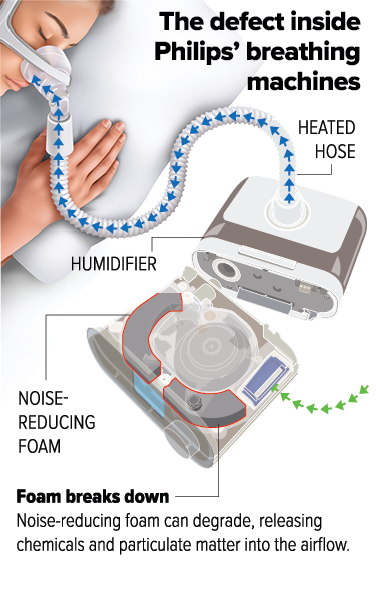
Philips initiated a significant global recall in June 2021 affecting millions of respiratory units. This action targeted specific powered devices used to treat sleep apnea and other breathing conditions.
Foam Degradation Risks
The core issue involves sound abatement foam breaking down inside certain machine interiors. Heat, humidity, or unapproved cleaning methods can cause this foam to deteriorate and release particles.
Users might inhale these particles or chemical vapors during therapy sessions. The FDA classified this as a Class I recall due to potential risks of respiratory irritation or long-term health effects.
Devices Included in the Action
Only specific powered medical units containing the problematic foam component fall under this recall. The affected list includes:
- CPAP machines like the DreamStation DH500
- BiLevel PAP devices
- Mechanical ventilators
- Specific oxygen concentrators
These electrically powered units require internal inspection because the foam sits within their motorized structures.
Confirmation That Sleep Masks Are Not Recalled
Philips has explicitly stated that no standalone sleep masks appear on any recall list. These passive accessories do not contain the internal components causing safety concerns.
Distinguishing Sleep Masks from Respiratory Gear
You must differentiate between two distinct product categories to understand your risk level.
- Sleep masks: Fabric or gel eye covers that block light without power.
- Respiratory masks: Face or nasal interfaces connected to powered air delivery systems.
The recall applies only to the powered machines and their associated breathing circuits, never to simple eye covers used for rest.
Sources of Consumer Confusion
Headlines often mention “Philips recall” without specifying the exact device type. This lack of detail causes owners of eye masks to fear their products are dangerous.
Retailers and news outlets sometimes broaden the scope unintentionally. The issue strictly involves internal foam within motorized units, not external fabric accessories or light-blocking tools.
Steps to Verify Your Device Status
You can quickly determine if your specific unit requires action by using official verification tools. This process ensures you have accurate information rather than relying on rumors.
Using the Official Philips Check Tool
Philips provides a dedicated online portal for status verification. Follow these steps to check your equipment:
- Navigate to the Philips Product Check page at philips.com/src
- Locate the model name and serial number on your device
- Enter these details into the search fields
- Click the check button to view results
The system instantly displays whether your specific unit is part of the recall action.
Locating Identification Numbers
Finding the correct numbers is essential for an accurate search. Powered units like CPAP machines have labels on the bottom or back panel.
Standalone sleep eye masks typically lack serial numbers entirely. This absence further confirms they are not tracked in any regulatory recall database.
Actions to Take for Recalled Equipment
If your verification shows your device is affected, immediate action is necessary. Regulatory agencies and Philips provide clear instructions for these situations.
Discontinuing Use Guidelines
The FDA recommends stopping use of recalled devices unless your doctor advises otherwise. Continued operation may expose you to harmful foam particles or vapors.
Do not stop therapy without medical consultation if you depend on it for sleep apnea. Your healthcare provider can suggest alternative treatments or temporary solutions while you wait for repairs.
Registration and Replacement Process
Owners of affected units should register their devices immediately through the official website. The process involves:
- Creating an account on the Philips recall portal
- Submitting your device serial number
- Following prompts for repair or replacement options
Philips offers free repair, replacement, or refund options depending on your specific model and location.
Consulting Medical Professionals
Always discuss the impact of a recalled device with your physician. They can assess your personal health risks based on how long you used the equipment.
Your doctor may recommend monitoring for specific symptoms or switching to a different therapy method temporarily. Professional guidance ensures your respiratory health remains stable during the transition.
Addressing Common Myths About the Recall
Misinformation spreads quickly during large product recalls. Clarifying these myths helps reduce unnecessary panic among consumers.
Myth: All Sleep Products Are Affected
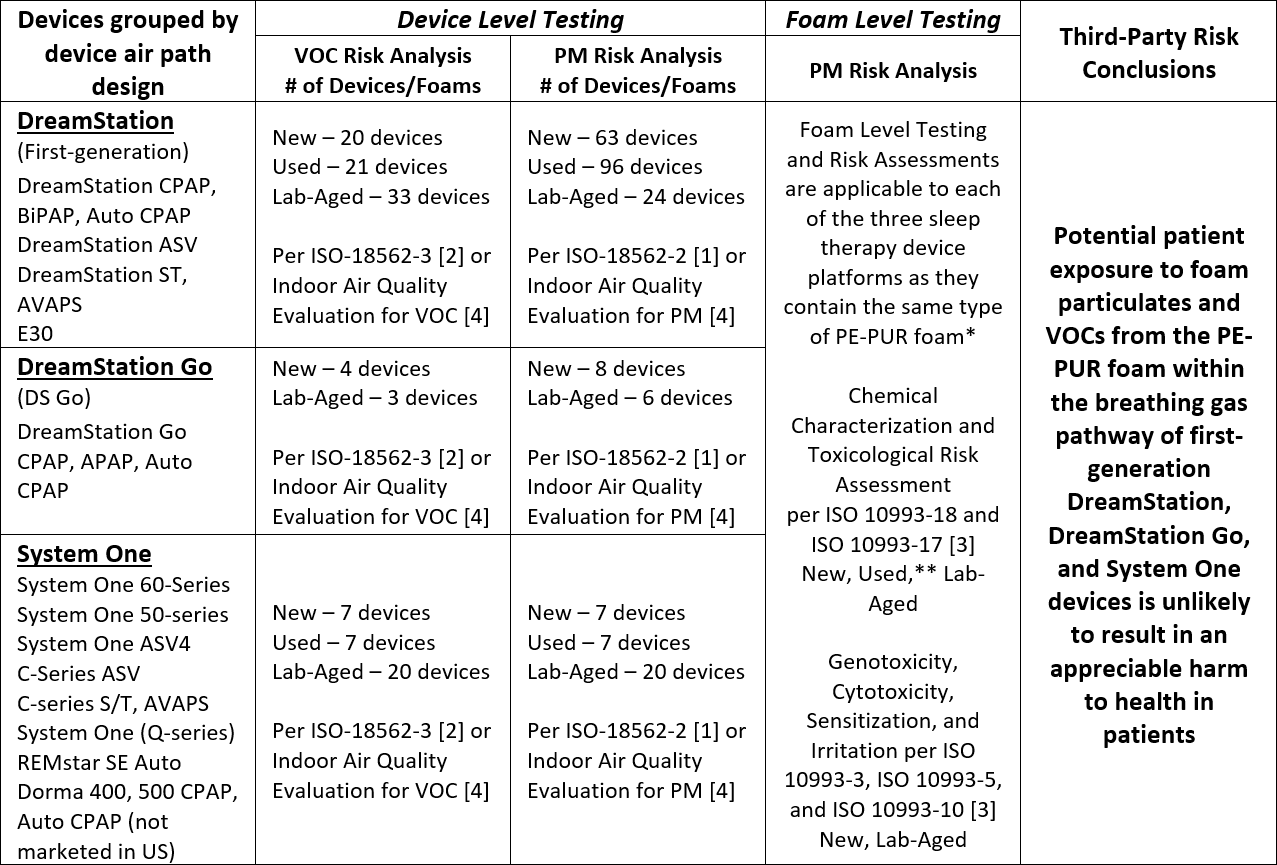
This statement is false. The recall targets specific powered respiratory devices manufactured before April 2021.
Non-powered items like eye masks, sound machines, and general sleep aids remain safe. Only devices with the specific internal foam configuration are included.
Myth: The Face Mask Component Is Dangerous
Many believe the silicone or fabric mask touching your face is the problem. In reality, the issue lies within the machine’s internal foam, not the external interface.
As long as the motorized unit itself is not recalled, the attached breathing mask remains safe to use. The hazard originates from the air pump mechanism.
Myth: Newer Models Face the Same Risks
Philips redesigned affected devices after April 2021 to eliminate the foam issue. Units produced after this date use alternative materials and are not part of the recall.
Consumers purchasing new units directly from authorized dealers receive safe, updated models. Always check the manufacturing date if you are unsure about your device history.
Maintenance Tips for CPAP Safety
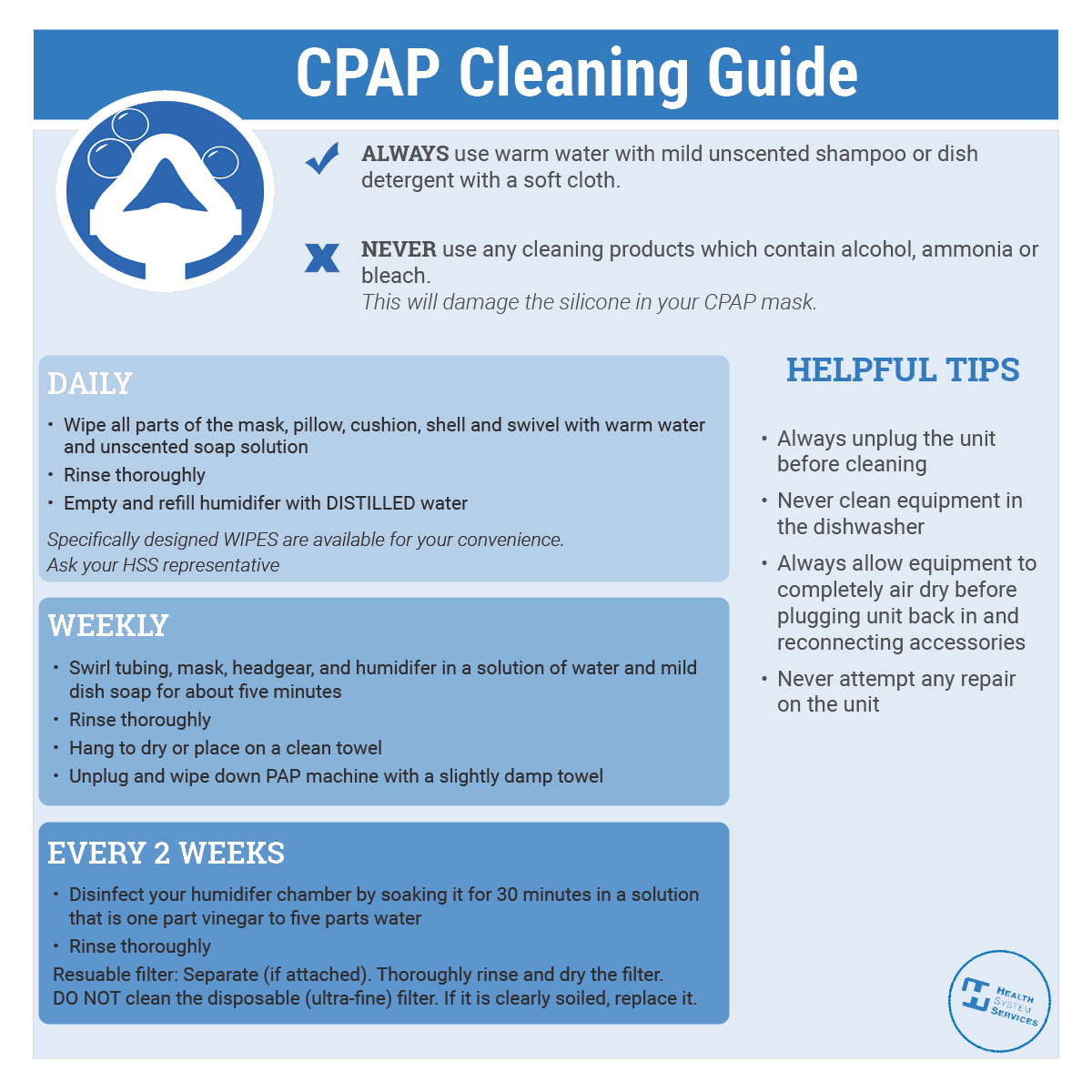
Proper care extends the life of your device and minimizes potential risks. Following manufacturer guidelines ensures your equipment operates safely.
Avoiding Ozone Cleaning Products
Never use ozone-based sanitizers on Philips CPAP devices. These cleaners can accelerate foam degradation and void your warranty.
Stick to manual cleaning methods recommended by the manufacturer. Using unapproved chemicals may damage internal components over time.
Following Proper Cleaning Protocols
Regular maintenance keeps your device hygienic and functional. Recommended steps include:
- Unplugging the device before cleaning
- Wiping the exterior with a soft, damp cloth
- Washing humidifier chambers with mild soap and water
- Allowing all parts to dry completely before reassembly
Never submerge the main machine unit in water or use harsh abrasives.
Monitoring for Health Symptoms
Users of recalled devices should watch for potential health indicators. Symptoms may include persistent coughing, headaches, or chest pressure.
Skin irritation or sinus issues might also occur. Report any concerning symptoms to your doctor and notify Philips immediately.
Staying Current on Recall Information
Recall details can evolve as investigations continue. Reliable sources provide the most up-to-date information.
Registering for Official Updates
Sign up for notifications on the Philips website to receive direct emails. These updates cover repair progress, new guidance, or additional safety actions.
Registration ensures you do not miss critical information regarding your specific device model.
Tracking Regulatory Announcements
Government agencies post verified alerts and safety notices regularly. Check these official sources for authoritative information:
- U.S. Food and Drug Administration (FDA)
- Health Canada
- European Medicines Agency (EMA)
- Australian Therapeutic Goods Administration (TGA)
These organizations provide unbiased data regarding product safety and regulatory actions.
Frequently Asked Questions About Philips Sleep Mask Recall
Are Philips eye masks part of the recall?
No, Philips eye masks are not included in any recall. These products lack the internal foam components linked to health risks and are considered safe for continued use.
Is the SmartSleep Deep Sleep Headband affected?
The Philips SmartSleep Deep Sleep Headband is not part of the recall. This wearable EEG device does not contain sound abatement foam or motorized air pumps.
Can I continue using my CPAP machine safely?
If your device is not on the official recall list, you may continue using it. If it is listed, consult your doctor before stopping therapy to ensure your safety.
Has Philips resolved the foam degradation issue?
Yes, Philips redesigned affected devices with new foam materials and resumed distribution. Repaired and new units manufactured after April 2021 do not have this defect.
How do I return a recalled device?
Visit philips.com/src, enter your serial number, and follow the provided shipping instructions. Philips manages the return logistics and offers free replacement or repair.
Key Takeaways for Philips Sleep Mask Recall Concerns
The term Philips sleep mask recall often causes confusion, but standalone eye masks remain entirely safe and unaffected. Only specific powered respiratory devices manufactured before April 2021 require attention due to internal foam issues.
Verify your device status using the official Philips tool and consult your doctor if your equipment is listed. By distinguishing between passive sleep aids and active medical devices, you can ensure your rest remains both peaceful and safe.
