
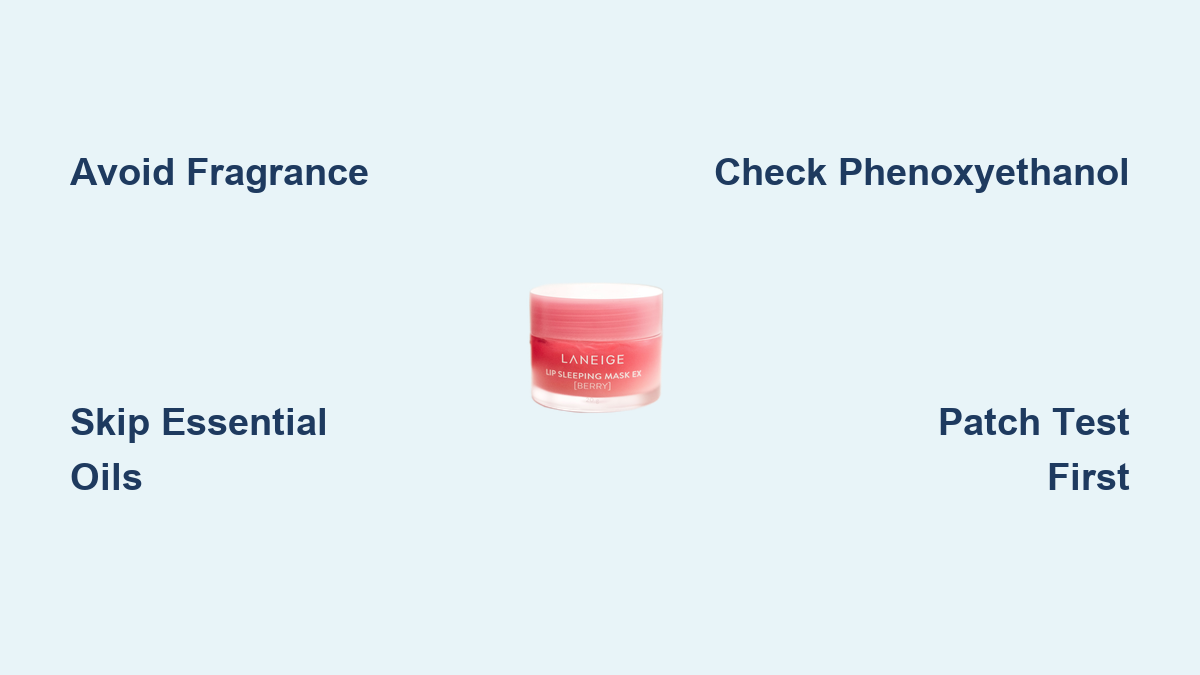
Is Laneige Sleeping Mask Pregnancy Safe?
Discovering you are pregnant often means re-evaluating your daily skincare routine to ensure every product is safe for your growing baby. Many expectant mothers specifically ask if the popular Laneige Sleeping Mask pregnancy safe given its widespread use and hydrating reputation.
This guide examines the specific ingredients in the formula to help you decide if it fits your prenatal wellness goals. You will learn which components require caution and discover effective alternatives that provide similar hydration without the worry.
Analyzing Key Hydrating Ingredients in Laneige Sleeping Mask
To determine if the Laneige Sleeping Mask pregnancy safe, we must first look at its primary moisturizing agents. The product relies on a blend of powerful humectants that draw water into the skin surface. Fortunately, the core hydration technology in this mask is generally considered benign for expectant mothers.
Hyaluronic Acid and Glycerin Safety
These two ingredients serve as the foundation for the product’s moisture-locking abilities. Hyaluronic acid attracts hydration while glycerin strengthens the natural skin barrier. Both substances occur naturally in the human body and pose no known risks during pregnancy. Dermatologists frequently recommend them for managing the dry and sensitive skin common in pregnancy.
Sodium Hyaluronate Benefits
This ingredient is a smaller molecule derivative of hyaluronic acid that penetrates deeper into skin layers. Like its parent compound, it is non-toxic and widely accepted as pregnancy-safe by medical professionals. Current research shows no links between topical sodium hyaluronate use and adverse effects on fetal development.
Butylene Glycol and Dipropylene Glycol
These compounds act as humectants to retain moisture and improve the overall texture of the gel. The Cosmetic Ingredient Review classifies them as safe at standard concentrations found in cosmetics. They do not absorb systemically in significant amounts, making them a low-risk choice for your nightly routine.
Dimethicone Protection
Dimethicone is a silicone that creates a smooth layer on the skin to lock in moisture effectively. It sits on the surface of the epidermis and does not absorb into the bloodstream in measurable quantities. The FDA classifies this ingredient as safe for use in cosmetics for all demographics, including pregnant women.
Evaluating Fragrance and Essential Oil Risks

The most significant concern regarding whether the Laneige Sleeping Mask pregnancy safe centers on its scent profile. The ingredient list explicitly includes “Fragrance (Parfum),” which can be a red flag for those following strict prenatal safety guidelines.
Hidden Chemicals in Synthetic Fragrance
Fragrance is a broad term that can conceal dozens of undisclosed chemical compounds. Some of these hidden elements may include phthalates, which animal studies have linked to developmental issues. While the concentration in a topical mask is minimal, many experts suggest avoiding synthetic fragrances as a precautionary measure during pregnancy.
Lavender and Orange Peel Oil Concerns
The formula utilizes natural essential oils like lavender and orange peel to create its signature aroma. Although natural, these oils carry specific considerations for expectant mothers. Lavender oil has demonstrated weak estrogenic activity in certain laboratory settings. Citrus oils like orange peel can cause photosensitivity and may affect hormone function in large quantities.
Accumulation Risks from Nightly Use
The concentration of these oils in the mask is likely low, yet frequency matters. Using the product every single night could theoretically lead to accumulation over time. The American College of Obstetricians and Gynecologists advises caution with essential oils, particularly during the first trimester when fetal development is most rapid.
Assessing Preservatives and Alcohol Content
Beyond fragrance, the formula contains other active ingredients that warrant a closer look. Understanding the role of preservatives and solvents helps you make a fully informed decision about your skincare regimen.
Phenoxyethanol Preservation Standards
Phenoxyethanol prevents bacterial growth and extends the shelf life of the product. It is generally recognized as safe at concentrations under one percent, which is the industry standard. However, the FDA warns against using it in products intended for infants due to potential neurotoxicity at very high doses.
Limited Data on Prenatal Exposure
For pregnant women, low-dose phenoxyethanol is likely safe based on current data. Some health advocates still recommend avoiding it when possible due to limited long-term studies on prenatal exposure. It is not classified as a hormone disruptor, but the lack of extensive data leads some to err on the side of caution.
Alcohol Denat and Skin Dryness
The formula includes denatured alcohol to help the gel texture absorb quickly into the skin. This ingredient is not harmful systemically but can be extremely drying. Pregnancy often causes skin sensitivity or eczema, and this alcohol could worsen those conditions or cause irritation.
Dermatologist Recommendations for Expectant Mothers

Medical professionals generally agree that topical skincare absorption is minimal. Very few ingredients actually enter the bloodstream in quantities that would affect a fetus. However, the guiding principle during pregnancy is to minimize unnecessary exposure to synthetic chemicals whenever possible.
When You Might Continue Using This Mask
You may choose to continue using the Laneige Sleeping Mask if you are past your first trimester. It might be acceptable if you do not have sensitive or reactive skin and only use it occasionally rather than nightly. Always perform a patch test first to ensure your skin tolerates the formula well.
Signs You Should Switch Products
Switch to a different product immediately if you experience any irritation or redness after application. You should also consider alternatives if you are trying to avoid all potential endocrine disruptors. Building a fully pregnancy-safe routine often means prioritizing fragrance-free and essential oil-free options.
Safer Alternatives for Hydration
Several excellent options provide similar hydration benefits without the questionable components. The Ordinary Hyaluronic Acid 2% + B5 offers a simple, fragrance-free formula. Bioderma Hydrabio Mask is designed specifically for sensitive skin types. CeraVe Moisturizing Cream is a dermatologist-recommended choice with no fragrance. Aveeno Calm + Restore Oat Gel Mask provides soothing relief with pregnancy-safe ingredients.
How to Verify Skincare Safety During Pregnancy
Not every product label clearly identifies potentially harmful ingredients. You can take specific steps to evaluate any skincare item before adding it to your routine while expecting.
Reading Full Ingredient Lists Carefully
Scan labels for specific terms that indicate potential risks. Avoid products listing Fragrance or Parfum if you are being cautious. Stay away from retinoids like retinol and retinaldehyde, as these are unsafe in pregnancy. Hydroquinone has limited data and is best avoided. Chemical sunscreens containing oxybenzone or avobenzone may act as hormone disruptors.
Utilizing Trusted Safety Resources
Cross-reference ingredients with reliable databases to ensure accuracy. The EWG Skin Deep Database offers detailed safety ratings for cosmetic ingredients. Apps like Think Dirty or Yuka can help you scan products quickly. Always seek approval from your obstetrician or dermatologist if you are unsure.
Patch Testing New Products
Hormonal changes during pregnancy can make your skin react differently to familiar products. Always patch test new items behind your ear or on your inner arm. Wait at least 48 hours to check for any adverse reactions before applying the product to your face.
Final Verdict on Laneige Sleeping Mask Pregnancy Safety

The Laneige Water Sleeping Mask is likely low-risk for most pregnant women, but it is not ideal for those seeking the strictest safety standards. Its hydrating benefits are excellent, yet the presence of synthetic fragrance, essential oils, and phenoxyethanol raises mild concerns for some users.
Use With Caution If Necessary
You might use this product with caution if you are in your second or third trimester. It may be fine if you have no history of fragrance sensitivities. However, if you prefer clean, minimal-ingredient skincare, this might not be the best fit for your current routine.
Switching for Peace of Mind
Switching to a safer option is advisable if you want to avoid all potential endocrine disruptors. It is also the right choice if you experience any irritation after use. Building a routine with fragrance-free, dermatologist-approved alternatives ensures you protect both your skin and your baby.
Frequently Asked Questions About Laneige Sleeping Mask Pregnancy Safety
Is the Laneige Sleeping Mask completely free of harmful chemicals?
No, the mask contains synthetic fragrance and essential oils that some experts recommend avoiding during pregnancy. While not proven harmful in topical amounts, they are not considered “clean” by strict prenatal standards.
Can I use Laneige Sleeping Mask during my first trimester?
It is best to avoid it during the first trimester due to the presence of essential oils and synthetic fragrance. This period is critical for fetal development, and minimizing exposure to potential irritants is the safest approach.
What specific ingredients in Laneige cause concern for pregnant women?
The primary concerns are the undisclosed chemicals in “Fragrance,” along with lavender and orange peel oils. Phenoxyethanol and denatured alcohol are also ingredients some women choose to limit during pregnancy.
Are there fragrance-free versions of the Laneige Sleeping Mask?
Laneige does not currently offer a fragrance-free version of their classic Water Sleeping Mask. You would need to choose a different brand if you want to avoid fragrance entirely while getting similar benefits.
How often can I safely use this mask if I am pregnant?
If you choose to use it, limit application to occasional use rather than every night. This reduces the potential for accumulation of essential oils and minimizes the risk of skin irritation.
What are the best pregnancy-safe alternatives to Laneige Sleeping Mask?
Top alternatives include The Ordinary Hyaluronic Acid 2% + B5, CeraVe Moisturizing Cream, and Aveeno Calm + Restore Oat Gel Mask. These products offer deep hydration without fragrance or essential oils.
Key Takeaways for Ensuring Laneige Sleeping Mask Pregnancy Safe Choices
The Laneige Sleeping Mask offers excellent hydration but contains fragrance and essential oils that require careful consideration during pregnancy. While likely low-risk for many, it does not meet the strictest safety criteria for expectant mothers who wish to avoid all potential irritants.
Prioritize fragrance-free and minimal-ingredient formulas to ensure the safest possible skincare routine for you and your baby. If you have any doubts or preexisting skin conditions, consult your healthcare provider before continuing use.
