Sleep Mask Side Effects: What You Need to Know
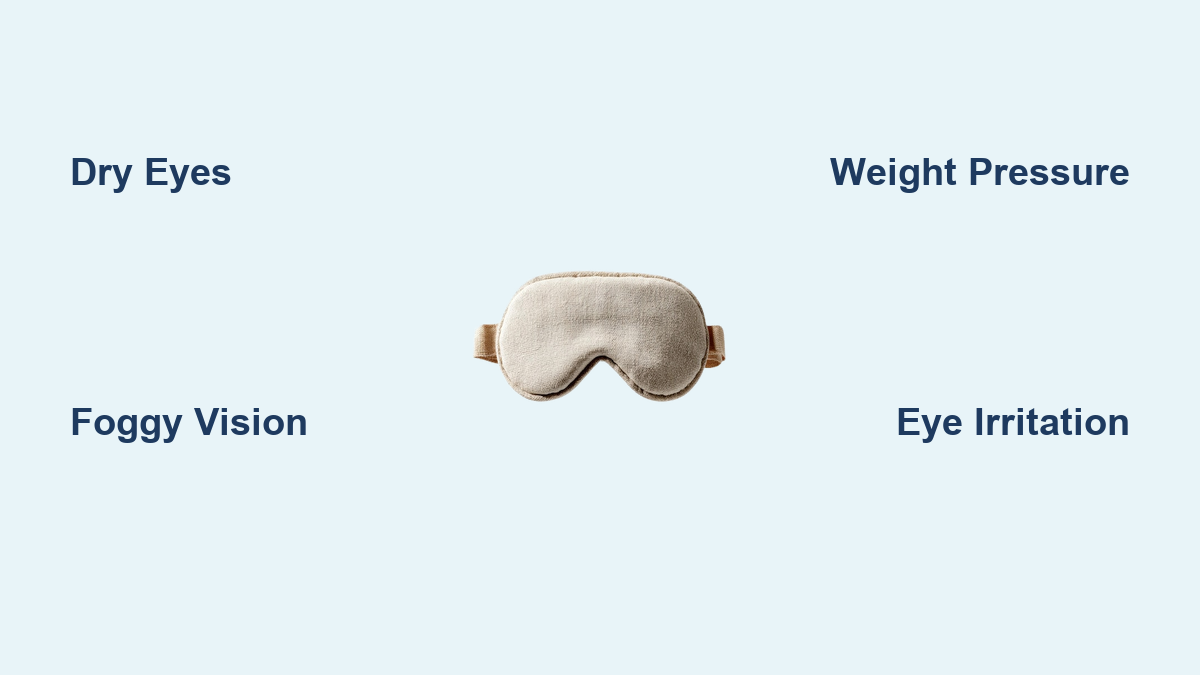
Waking up with dry, foggy, or irritated eyes after using a sleep mask? You are not alone. While these products block light to improve rest, certain types cause unintended sleep mask side effects. The 0.5 lb weighted model is a common culprit that may harm your eyes.
This added weight can compress delicate tissues and disrupt natural tear production. You will learn how heavy masks cause pressure, identify warning signs, and find safer alternatives to protect your vision while you sleep.
How Weighted Masks Create Harmful Eye Pressure
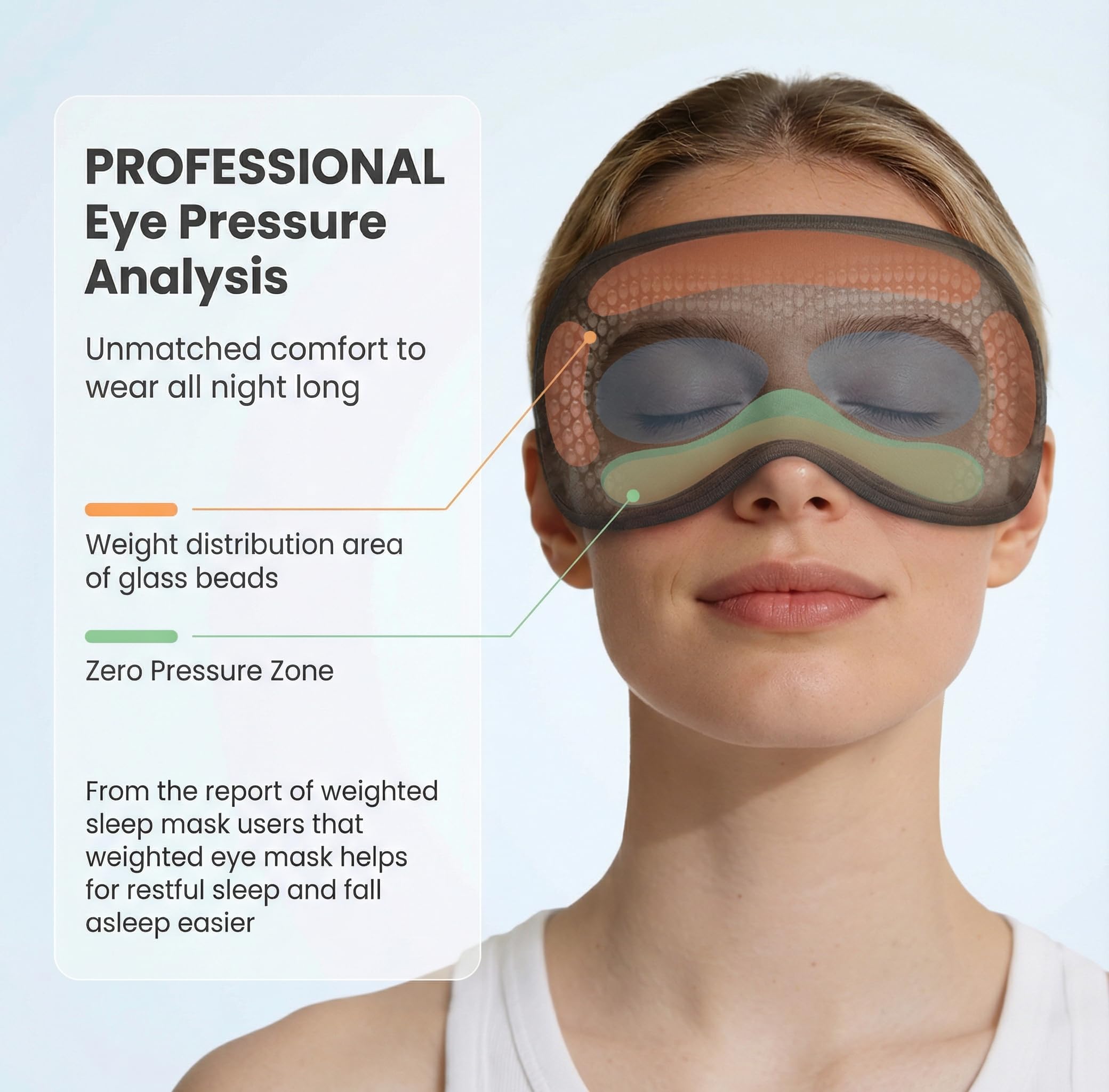
A 0.5 lb mask applies significant force to the eyelids and soft tissues around your eyes. Although the bony eye socket protects the eyeball itself, the surrounding areas suffer from this sustained compression. This pressure interrupts critical physiological processes needed for healthy eyes during rest.
Disruption of Tear Film Distribution
The weight of the mask prevents your eyelids from moving naturally. This lack of movement stops tears from spreading evenly across the cornea surface. Without this lubrication, your eyes become dry and vulnerable to irritation.
Impaired Lymphatic Drainage and Blood Flow
Heavy fabrics constrict small blood vessels in the periorbital region. This restriction reduces oxygen delivery to eye tissues and slows down lymphatic drainage. The result is often morning puffiness and a feeling of heaviness around the eyes.
Identifying Signs of Excessive Eye Pressure
You must watch for specific red flags that indicate your mask is too heavy. Ignoring these symptoms can lead to chronic discomfort or long-term damage to your ocular health. Early detection allows you to switch to a safer option before serious issues arise.
Common Symptoms to Watch For
• Persistent dryness immediately upon waking
• Blurry or “foggy” vision that lasts after rising
• Visible eyelid indentation or red marks
• A sore or heavy feeling around the eye socket
When Symptoms Indicate a Problem
If you notice these signs daily, your current mask likely exerts too much force. The combination of mask weight and cheek pressure while side sleeping worsens these effects. Switching to a lighter model often resolves these issues quickly.
Why Sleep Masks Cause Dry Eyes and Foggy Vision
The primary cause of sleep mask side effects like dryness is the disruption of the tear film. Your eyes rely on a stable three-layer film of oil, water, and mucus to stay healthy. A heavy mask compromises this system by restricting the very movements that maintain it.
Reduced Eyelid Movement During Sleep
Even though you do not blink while asleep, micro-movements of the eyelids are essential. These subtle motions refresh the tear layer and prevent evaporation. A weighted mask restricts this motion, leading to rapid drying of the corneal surface.
Tear Film Breakdown and Gland Compression
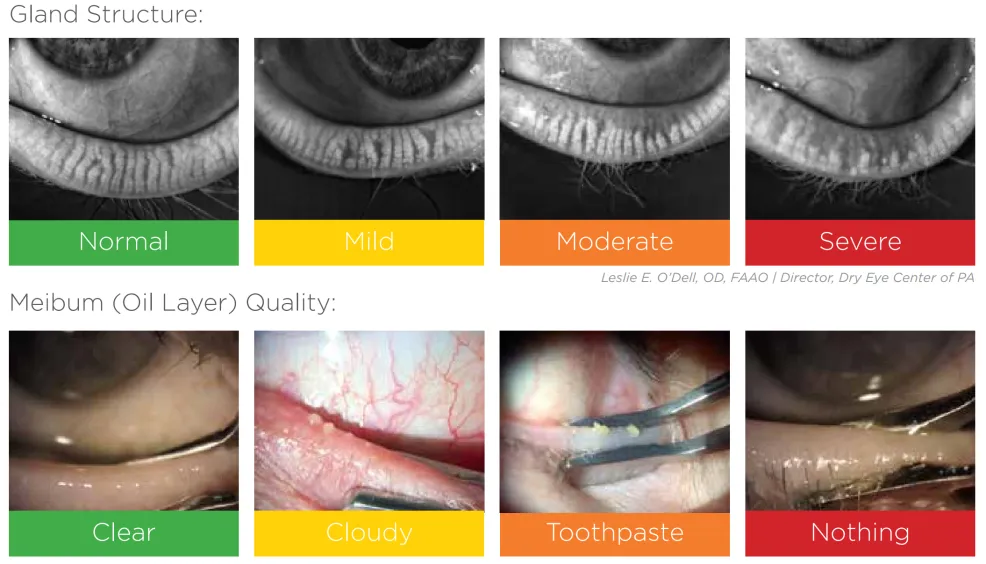
The pressure compresses the Meibomian glands responsible for secreting the oil layer of your tears. Without sufficient oil, your tears evaporate too quickly. This process mimics Meibomian gland dysfunction and causes the foggy vision many users report.
Can Sleep Masks Raise Intraocular Pressure?

Many users worry if their mask increases pressure inside the eye. While direct studies on 0.5 lb masks are limited, the theoretical risk exists due to external compression. This concern is particularly relevant for individuals with pre-existing eye conditions.
Theoretical Risk for Glaucoma Patients
External pressure on the eyelids can theoretically affect fluid drainage within the eye. For people with glaucoma, even mild compression might impair aqueous humor outflow. This could temporarily raise intraocular pressure and stress the optic nerve.
Expert Advice for High-R Groups
Experts recommend that glaucoma patients avoid any form of eye compression during sleep. This includes heavy masks or sleeping face down. Protecting optic nerve health requires minimizing all potential sources of pressure on the eye area.
Choosing a Safer Sleep Mask Design
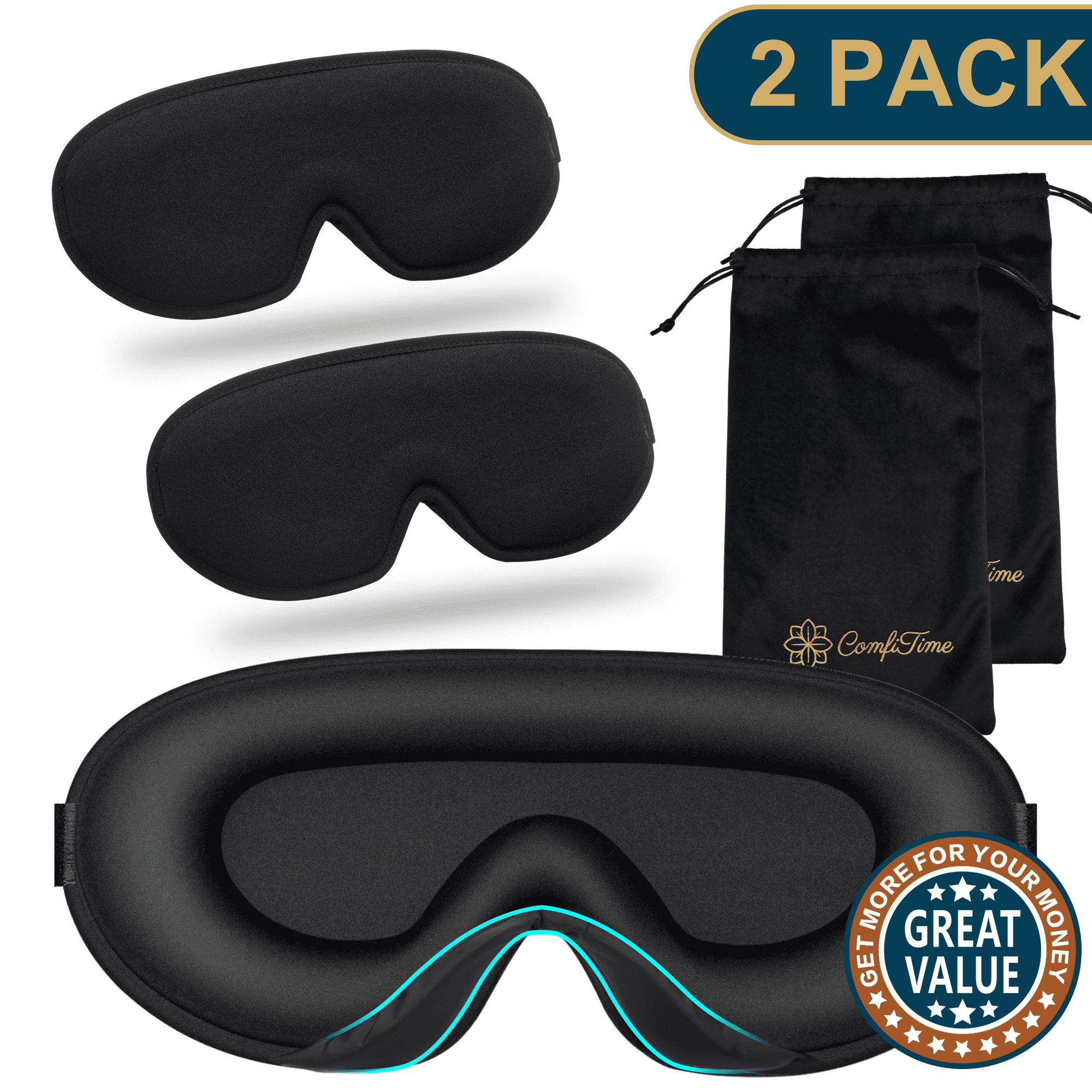
Selecting the right mask involves more than just blocking light. You need a design that protects your eyes from the very sleep mask side effects caused by poor construction. Focus on weight, fit, and material to ensure safety.
Opt for Lighter Weight Options
Masks heavier than 0.25 lb significantly increase the risk of tissue compression. Switching to a featherweight design reduces pressure while maintaining darkness. Look for models that distribute weight evenly without concentrated pressure points.
Prioritize Contoured Fit and Breathable Materials
A poorly fitting mask digs into the nose bridge and presses on eyelids. Choose a mask with a 3D contoured shape that creates space for your lashes. Breathable fabrics like silk or bamboo reduce friction and heat buildup.
Effective Alternatives to Weighted Eye Masks
You do not need a heavy mask to achieve relaxation or darkness. Several alternatives provide the same benefits without the risks associated with eye compression. These options are safer for long-term eye health.
Use a Weighted Blanket for Relaxation
If you use a weighted mask for anxiety, try a weighted blanket instead. These distribute weight safely across your body through deep pressure stimulation. This method calms the nervous system without risking ocular compression.
Try Non-Weighted Blackout Masks
Modern blackout masks offer total darkness without added weight. They feature soft eye cups and flexible materials that block light effectively. These are ideal for travelers and light-sensitive sleepers who want zero pressure.
When to Consult an Eye Doctor
Persistent eye issues after mask use require professional evaluation. Do not ignore symptoms that continue after you stop using a weighted mask. An eye care professional can diagnose underlying conditions exacerbated by mask use.
Warning Symptoms Requiring Evaluation
• Chronic burning or dryness that does not improve
• Morning blurred vision lasting over 30 minutes
• Light sensitivity or significant eye pain
• Red, inflamed eyelids that persist
Diagnostic Tests You May Encounter
Your doctor may perform a tear breakup time test or corneal staining. These checks reveal micro-damage or dry eye syndrome. Mention your use of a weighted sleep mask to help them make an accurate diagnosis.
Long-Term Risks of Daily Weighted Mask Use
Using a heavy mask every night can lead to cumulative damage over time. The repeated disruption of tear film and blood flow creates a cycle of irritation. Understanding these risks helps you make informed decisions about your nightly routine.
Cumulative Damage from Nightly Pressure
Chronic use may cause permanent changes in Meibomian gland function. It can also delay the healing of minor corneal injuries. For some, this leads to chronic dry eye syndrome that requires ongoing treatment.
Groups Who Should Avoid Weighted Masks
Certain individuals face higher risks from sleep mask side effects. You should avoid weighted masks entirely if you fall into these categories:
• People with diagnosed dry eye syndrome
• Patients with glaucoma or ocular hypertension
• Individuals with facial nerve weakness
• Side sleepers who experience increased cheek pressure
Best Practices for Safe Sleep Mask Use
If you continue using a mask, follow strict safety guidelines. These habits minimize pressure and protect your eye health. Regular maintenance of your mask also prevents bacterial buildup and irritation.
Daily Habits to Protect Your Eyes
- Limit mask weight to under 0.25 lb
- Wash the mask regularly to prevent bacteria
- Replace the mask every 6 to 12 months
- Avoid sleeping face down to reduce compression
- Use preservative-free lubricating ointment if prone to dryness
How to Test Your Current Mask
Perform a simple check to see if your mask is too heavy. Lie on your side and gently press your fingertip on your closed eyelid. If the mask feels heavier than your finger, it is likely compressing your eye area too much.
Frequently Asked Questions About Sleep Mask Side Effects
Can a weighted sleep mask cause permanent eye damage?
While rare, chronic use of heavy masks can lead to long-term issues like Meibomian gland dysfunction. Continuous pressure disrupts tear production and may cause lasting dry eye syndrome if not addressed early.
Why do I wake up with foggy vision after using a sleep mask?
Foggy vision usually results from an unstable tear film caused by restricted eyelid movement. The mask weight prevents tears from spreading evenly, leaving dry spots on the cornea that blur vision upon waking.
Are non-weighted blackout masks safe for people with glaucoma?
Yes, non-weighted masks are generally safe as they do not exert pressure on the eye. However, ensure the mask fits loosely and does not press against the eyelids or obstruct blood flow around the eye.
How much should a safe sleep mask weigh?
A safe sleep mask should weigh less than 0.25 lb (113 grams). Lighter models reduce the risk of tissue compression while still providing the darkness needed for quality sleep.
What are the best materials for a sleep mask to prevent dryness?
Silk and bamboo are the best materials because they are breathable and reduce friction. These fabrics help retain natural oils around the eyes and prevent the heat buildup that worsens dryness.
Can side sleepers safely use weighted sleep masks?
Side sleepers face higher risks because cheek pressure combines with mask weight. This dual pressure increases compression on the eye area, making non-weighted alternatives a much safer choice for this group.
Key Takeaways for Avoiding Sleep Mask Side Effects
Weighted sleep masks, especially those around 0.5 lb, pose real risks like dry eyes and foggy vision. The pressure they exert disrupts natural tear distribution and can harm delicate eye tissues over time. Switching to lighter, non-weighted alternatives protects your eye health while still improving sleep quality.
Prioritize masks under 0.25 lb or use a weighted blanket for relaxation instead. If you experience persistent dryness or vision changes, consult an eye doctor immediately. Your vision is too important to risk with a poorly chosen sleep aid.