
How to Close a Futon Couch
You have hosted guests, and now it is time to convert your sleeping space back into a living area. Many people struggle with how to close a futon couch because they miss the specific unlock sequence required for back-load mechanisms. Forcing the frame can break hinges or damage your wall instantly.
This guide teaches the exact lift-and-push technique to close your futon safely. You will learn to disengage locks, use your legs for leverage, and hear that satisfying click. Follow these steps to protect your furniture and your back.
Prepare the Space and Check Clearance
Proper preparation prevents damage to your walls and ensures smooth operation. You must create a safe zone before touching the frame mechanisms. Skipping this step often leads to cracked drywall or scratched furniture.
Create the Required Wall Gap
Move the entire futon frame away from the wall before starting. You need a gap of 6 to 7 inches for the backrest to swing down freely. Without this space, the top of the frame will hit the wall during the folding arc. This impact can dent your wall or bend the metal frame permanently.
Remove Floor Obstructions
Check the floor around the legs for rugs, cords, or small objects. Even a thin blanket edge can catch under a leg and stop the motion. Ensure the floor surface is clean so the legs can slide or pivot without resistance. A clear path allows the frame to move in a straight line.
Perform a Preliminary Lift Test
Gently lift the front edge of the frame a few inches off the floor. This action checks if the legs are free and helps you feel the weight distribution. It also prevents the bottom of the frame from scraping your flooring during the main operation. If the frame feels stuck immediately, stop and check the lock status.
Disengage the Back-Load Locking Mechanism
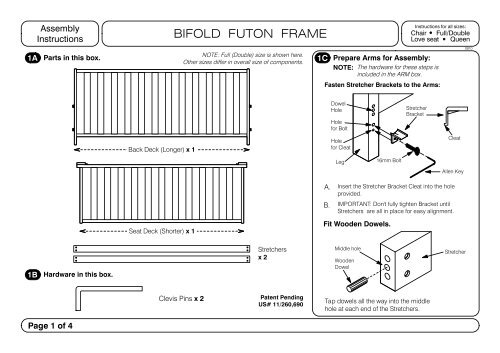
The most critical step in learning how to close a futon couch is releasing the safety lock. Most back-load models keep the frame rigidly locked in the open position until you manually release it. Trying to fold it without this step invites mechanical failure.
Locate the Release Lever
Find the locking pin or lever on the back side of the frame near the top hinge. You usually cannot see this part when standing in front of the couch. It is designed to stay hidden to maintain a clean look while preventing accidental closure. Run your hand along the rear bar to find the mechanism.
Pull the Frame to Release Tension
Grasp the back of the frame and pull it firmly toward you once. You should feel a distinct click or a sudden release of tension as the internal pin retracts. This action disengages the safety lock that holds the bed flat. Do not attempt to lift the backrest until you feel this release.
Verify Full Disengagement
Test the frame by lifting it slightly again after pulling the release. It should move more freely than before. If it still feels rigid or locked, repeat the pull with more force. Never force the frame upward if the lock is still engaged, as this bends the metal pins.
Adopt the Correct Stance and Grip
Your body position determines how easy or difficult this task feels. Standing in the wrong spot forces you to use weak back muscles instead of strong leg muscles. Proper ergonomics make the heavy frame feel much lighter.
Position Yourself at the Side
Stand beside the futon facing the long edge rather than standing directly in front. This side stance gives you access to both the seat and backrest sections simultaneously. Keep your feet shoulder-width apart to maintain a stable base. This alignment allows you to shift your weight effectively during the lift.
Secure a Balanced Grip
Place one hand on the upper backrest section to pull upward. Use your other hand to guide the lower seat section inward. Your grip should be firm but relaxed to maintain sensitivity to the frame movement. Avoid white-knuckling the frame, as tension reduces your control over the heavy parts.
Execute the Lift and Push Motion
Closing the frame requires a coordinated effort between your arms and legs. The secret to how to close a futon couch smoothly is using your leg to bear the weight. This technique reduces strain on your lower back significantly.
Lift the Backrest Upward First
Begin by pulling the backrest section up and slightly toward you. This upward motion clears the hinge path and starts the folding arc. Do not rush this initial lift, as jerking the frame can throw you off balance. Keep the movement steady and controlled.
Push the Seat Forward with Your Leg
As you lift with your arms, press the side of your thigh or knee against the seat section. Push the seat forward while simultaneously lifting the backrest. This transfers the heavy lifting work to your powerful leg muscles. The combined motion guides the frame into the closed position with minimal effort.
Guide the Frame to the Locked Position

The final phase involves guiding the frame until it locks securely. You must maintain even pressure to ensure both sides of the mechanism engage at the same time. Uneven force can cause the frame to twist or jam.
Monitor the Folding Trajectory
Watch the frame as it folds to ensure it moves evenly on both sides. If one side moves faster than the other, pause and adjust your pressure. Misalignment during this stage can bend the hinge pins or cause the lock to miss its target. Keep the motion smooth and centered.
Listen for the Final Click
Continue pushing and lifting until you hear a sharp click sound. This noise confirms the internal locking pin has snapped into place. The frame is now secure in the upright couch position. If you do not hear this click, the frame is not fully locked and could collapse.
Apply Final Pressure if Needed
If the click does not happen immediately, apply a bit more forward pressure. Sometimes the pin needs a final nudge to seat completely. Do not assume the futon is ready just because it looks closed. The auditory or tactile click is your only guarantee of safety.
Verify Stability and Lock Engagement
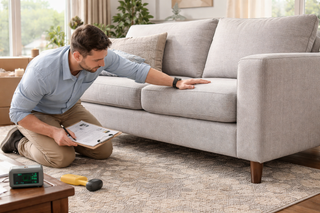
Never leave a futon in a partially locked state. A quick verification step ensures the furniture is safe for sitting. This simple check prevents accidents when someone sits down later.
Test the Frame Stability
Give the backrest a gentle shake or press down lightly on the seat. It should feel solid with no wobble or give. If the frame moves or feels loose, the lock has not engaged properly. Reopen the frame slightly and repeat the closing process.
Identify Common Locking Failures
Check for obvious blockers if the lock fails to engage. Common issues include:
- Mattress fabric caught in the hinge
- Dust or debris in the lock slot
- Insufficient upward lift during the push
Clear any obstructions and try the sequence again.
Avoid These Common Closing Mistakes
Knowing what not to do is just as important as knowing the correct steps. Many people damage their furniture by rushing or using poor technique. Avoid these errors to extend the life of your futon.
Never Force a Resistant Frame
If the frame resists movement, stop immediately. Forcing it is the leading cause of broken hinges and bent pins. Resistance usually means the lock is still engaged or an obstruction is present. Go back to the unlocking step and try again gently.
Do Not Skip the Wall Clearance
Closing the futon while it is flush against the wall is a recipe for disaster. The backrest needs air space to complete its arc. Hitting the wall can crack the drywall and damage the frame finish. Always pull the unit out before starting.
Avoid Relying Solely on Arm Strength
Using only your arms and back makes the task harder and riskier. Engaging your legs provides the necessary power to lift the heavy frame. This ergonomic approach protects your spine from unnecessary strain.
Troubleshoot Closing Difficulties
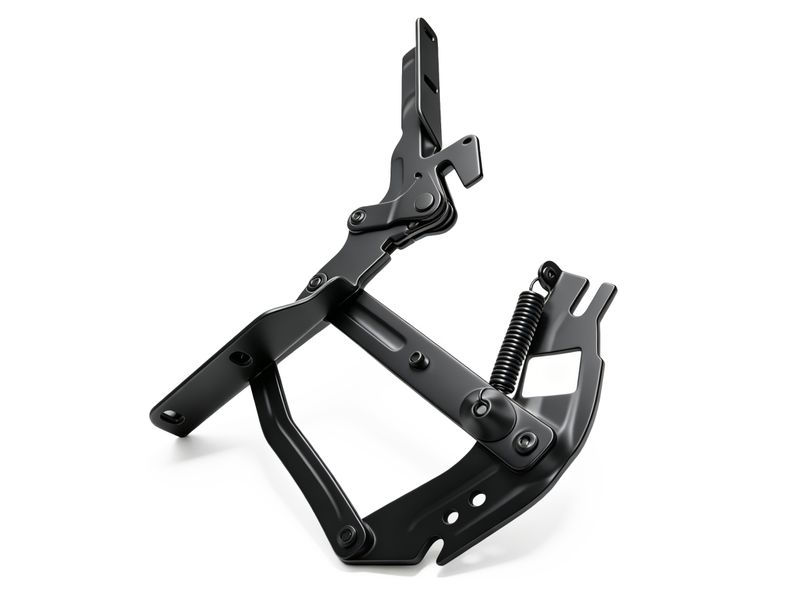
Even with perfect technique, mechanical issues can arise. Understanding how to diagnose these problems saves time and frustration. Most issues stem from minor misalignments or debris.
Address Frame Resistance After Unlocking
If the frame feels stuck after you pull the release, try lifting it higher. The locking pins need full vertical clearance to disengage completely. A shallow lift causes the pins to drag against the housing. Reset the frame, lift it four to six inches, and pull the release again.
Resolve Missing Click Sounds
If you reach the end position but hear no click, inspect the locking area. Look for mattress overhang, dust buildup, or a bent pin. Clean the area with a dry cloth and ensure the mattress is tucked in tightly. Try closing the frame slowly to allow the mechanism to align.
Fix Uneven Closing Issues
If one side closes while the other sticks, the frame is likely misaligned. Open the futon completely and check that all legs sit evenly on the floor. Repeat the closing process while applying even pressure to both sides. Persistent issues may require lubrication or professional adjustment.
Maintain Smooth Operation Long Term
Regular maintenance keeps your futon closing easily for years. Neglect leads to stiff joints and broken locks. A little preventative care goes a long way.
Clean the Locking Mechanism Monthly
Wipe the release lever and pin area with a dry microfiber cloth. Remove any dust, hair, or fabric lint that could interfere with the lock. Avoid using oil or WD-40 unless your manual specifically recommends it. Many mechanisms are designed to run dry.
Inspect Hinges and Pins Quarterly
Look for signs of wear such as bent metal or cracked welds. Check that joints do not wobble excessively. If you spot damage, stop using the futon and contact the manufacturer. Small issues can become major safety hazards quickly.
Lubricate Only When Recommended
Some models benefit from a light silicone spray on the hinges, but many do not. Check your specific user manual before applying any lubricant. Over-lubrication attracts dirt and can gum up the mechanism, making it harder to close.
Frequently Asked Questions About Closing Futons
Why won’t my futon frame close smoothly?
Resistance usually means the locking mechanism is still engaged or something is blocking the path. Ensure you pull the release lever firmly and lift the frame higher before pushing. Check for debris or fabric caught in the hinges.
How much space do I need from the wall?
You need at least 6 to 7 inches of clearance between the futon and the wall. This space allows the backrest to swing down without hitting the wall. Insufficient space can damage both your furniture and your drywall.
What does it mean if I don’t hear a click?
The click confirms the internal lock has engaged securely. If you do not hear it, the frame is not fully locked and could collapse. Push forward firmly until you feel or hear the distinct click sound.
Can I close the futon by myself?
Yes, you can close it alone if you use the correct technique. Using your leg to push the seat while lifting with your arms makes it manageable. Proper stance and leverage eliminate the need for a second person.
Is it safe to force the frame if it feels stuck?
No, never force the frame. Forcing it can bend pins, break hinges, or cause injury. If it resists, stop and verify that the lock is fully disengaged. Reset the frame and try the unlock-lift-push sequence again.
Key Takeaways for Closing Your Futon Couch
Mastering how to close a futon couch protects your investment and your back. Remember to always create a 6-inch gap from the wall, pull the release lever firmly, and use your leg to push the seat forward. Listen for the distinct click to ensure the frame is locked securely before use.
Follow the unlock-lift-push sequence every time to prevent mechanical damage. Regular cleaning of the locking mechanism will keep your futon operating smoothly for years. Take these steps today to transform your sleeping space back into a comfortable living area with ease.