Standard Size Bolster Pillows: 2026 Guide
You just bought a new bed, reupholstered your sofa, or ordered a custom sham, and now you are stuck on one question: what is the bolster standard size that actually fits? You are not alone. With sizes ranging from 20 inches to over 60 inches and diameters from 6 to 12 inches, choosing the right bolster can feel overwhelming. Getting it right matters for both comfort and that polished, designer look.
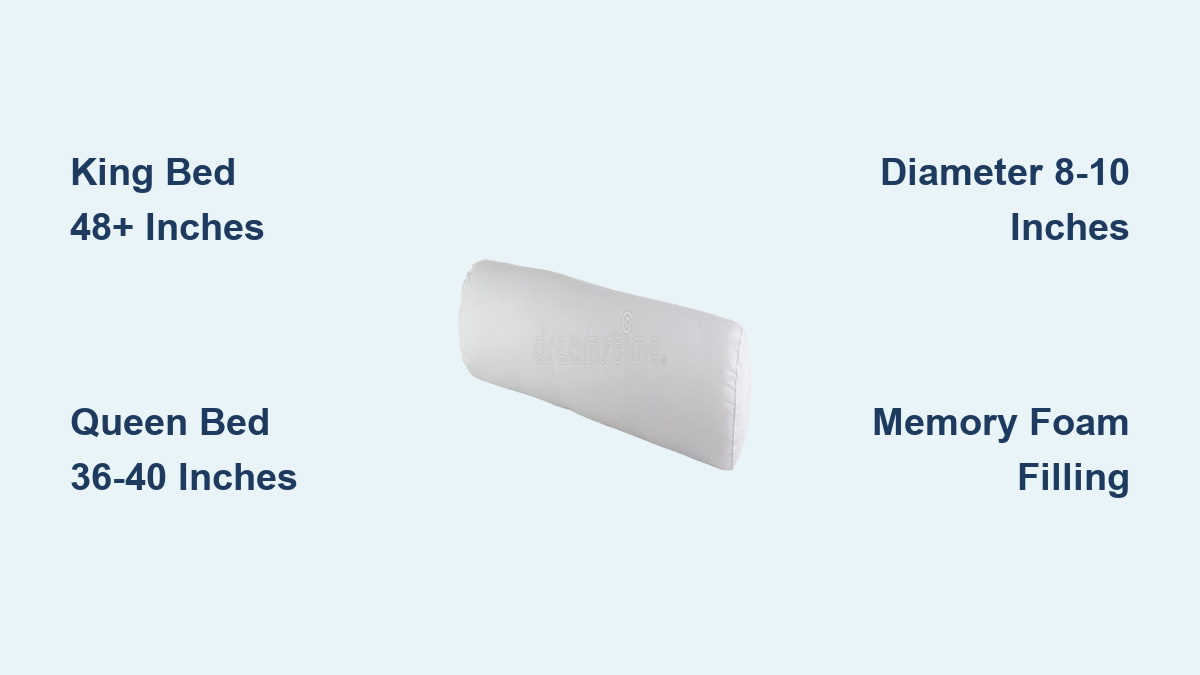
The bolster standard size is not one-size-fits-all. It depends on furniture dimensions, function (decorative versus support), and filling type. A King bed needs a 48+ inch bolster to span the width, while a Queen bed looks best with a 36 to 40 inch version. Small 20 to 30 inch bolsters work for accent chairs or lumbar support. Diameter also varies, with 8 to 10 inches standard for most beds and 10 to 12 inches adding presence on larger furniture.
In this guide, you will learn exactly which bolster size fits your bed or sofa, how to match inserts to shams, and what filling works best for your needs. Whether you are styling a bedroom or supporting your back while reading, you will get clear, actionable details based on industry standards and real user insights.
Match Bolster Length to Bed Size

Choosing the right bolster length ensures your bed looks balanced and the pillow serves its purpose, whether decorative or supportive.
King Bed Bolster: 48+ Inches for Proper Proportion
For a King mattress measuring 76 inches wide, a minimum 48 inch bolster is standard. While not spanning the full width, this length provides a proportional anchor at the head of the bed. Some users opt for a 60 inch bolster (Queen bed width) to create a bolder statement, though it may extend beyond the sleeping area.
- Recommended diameter: 10 to 12 inches
- Why it works: Prevents the bolster from looking lost on a large mattress surface
- Visual tip: Place it behind standard or Euro shams to create depth in a layered bedding look
Avoid bolsters under 48 inches on a King bed. They will appear undersized and disrupt visual harmony.
Queen Bed Bolster: 36 to 40 Inches for Balanced Style
A Queen mattress measuring 60 inches wide pairs best with a 36 to 40 inch bolster. This range fills the space without crowding the sleeping area, making it ideal for both decoration and back support.
- Recommended diameter: 8 to 10 inches
- Functional benefit: Supports your back when sitting up to read or watch TV
- Styling tip: Layer with two standard pillows in front for a hotel-inspired look
A 40 inch bolster is slightly more substantial than 36 inches, offering a fuller appearance for those who prefer a plump, luxurious profile.
Measure Your Bed Width Before Buying
Always measure your mattress before purchasing. While standard sizes exist, bed frames and mattresses can vary slightly.
- Use a tape measure across the width of the mattress (side to side)
- For inserts: Choose a bolster 1 to 2 inches shorter than the sham interior length for easy insertion
- For finished pillows: Select a length that is at least 80% of the bed width (such as 48 inches for a 60 inch Queen)
Skipping this step risks a lopsided look or a pillow that does not fit your existing decor.
Bolster Size Categories Explained
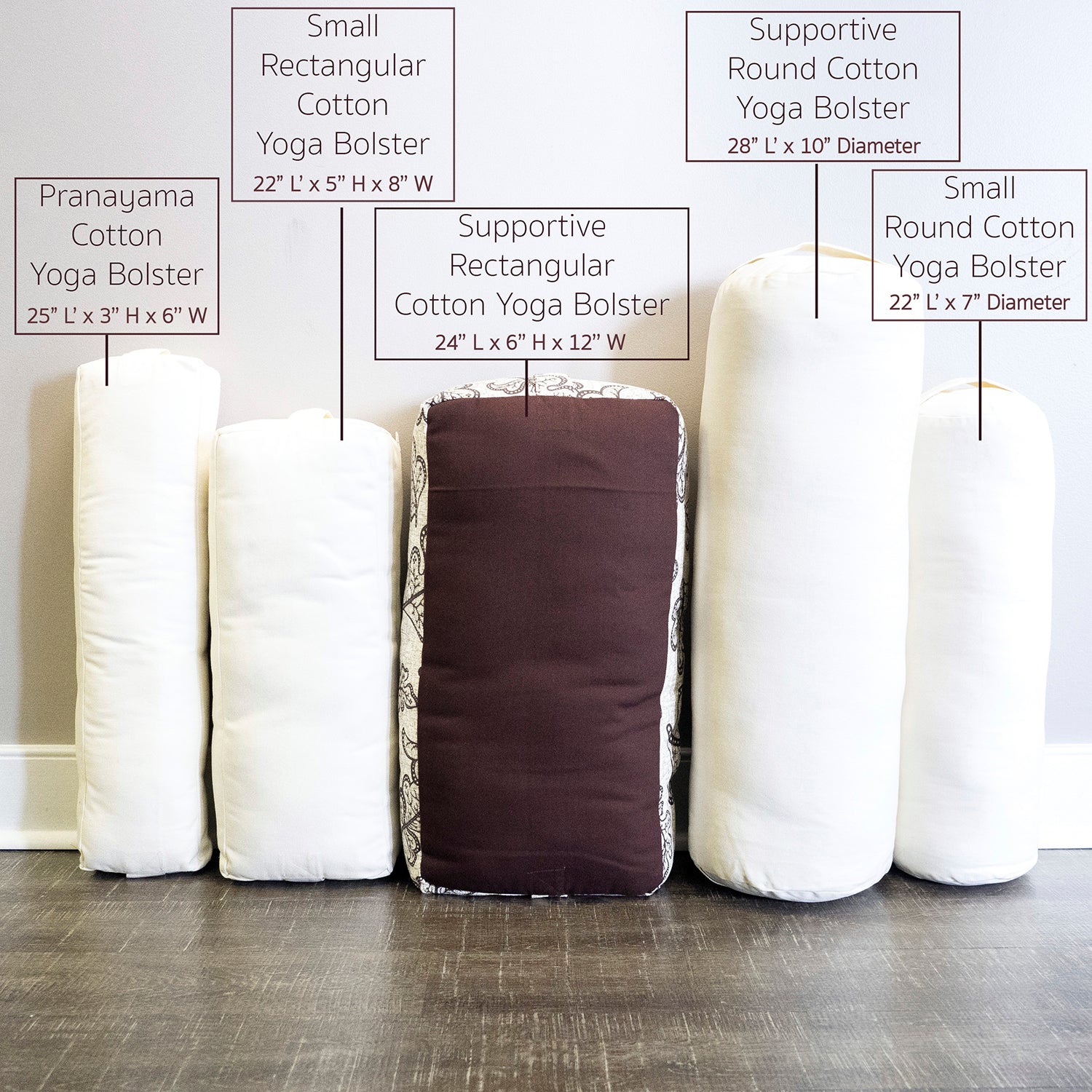
Bolsters are grouped into small, medium, and large based on length and diameter. Each category serves a different purpose.
Small Bolsters: 20 to 30 Inches for Accents
Small bolsters measure 20 to 30 inches long with a 6 to 8 inch diameter. They function as accent pieces rather than primary support pillows.
- Best uses:
- Lumbar support on office chairs
- Decorative rolls on window seats or benches
- Layering in front of larger pillows on beds
- Popular custom size: 20 inches by 7 inches
- Filling tip: Polyester fiber or soft foam for lightweight comfort
These are ideal if you want subtle texture or a pop of color without bulk.
Medium Bolsters: 36 to 40 Inches for Queen Beds
The medium bolster is the most common bolster standard size for indoor residential use.
- Length: 36 to 40 inches
- Diameter: 8 to 10 inches
- Perfect for:
- Queen bed styling
- Sofa back support
- Daybeds and twin beds used for lounging
This size strikes a balance between function and form, large enough to support your back yet small enough to fit standard furniture.
Large Bolsters: 48 to 60+ Inches for King Beds
Large bolsters measure 48 to 60+ inches with a 10 to 12 inch diameter. They serve as statement pieces in your decor.
- Primary use: Spanning King beds or wide sectionals
- Why size matters: A 48 inch bolster fills the visual gap on a King mattress; longer versions (60 inches) offer full-width coverage
- Support benefit: Provides a firm backrest when sitting up in bed
- Design note: High-diameter (12 inch) bolsters add luxury and volume
Use large bolsters when you want a bold, anchored look, especially in master bedrooms or living rooms with oversized furniture.
Choose the Right Bolster Diameter
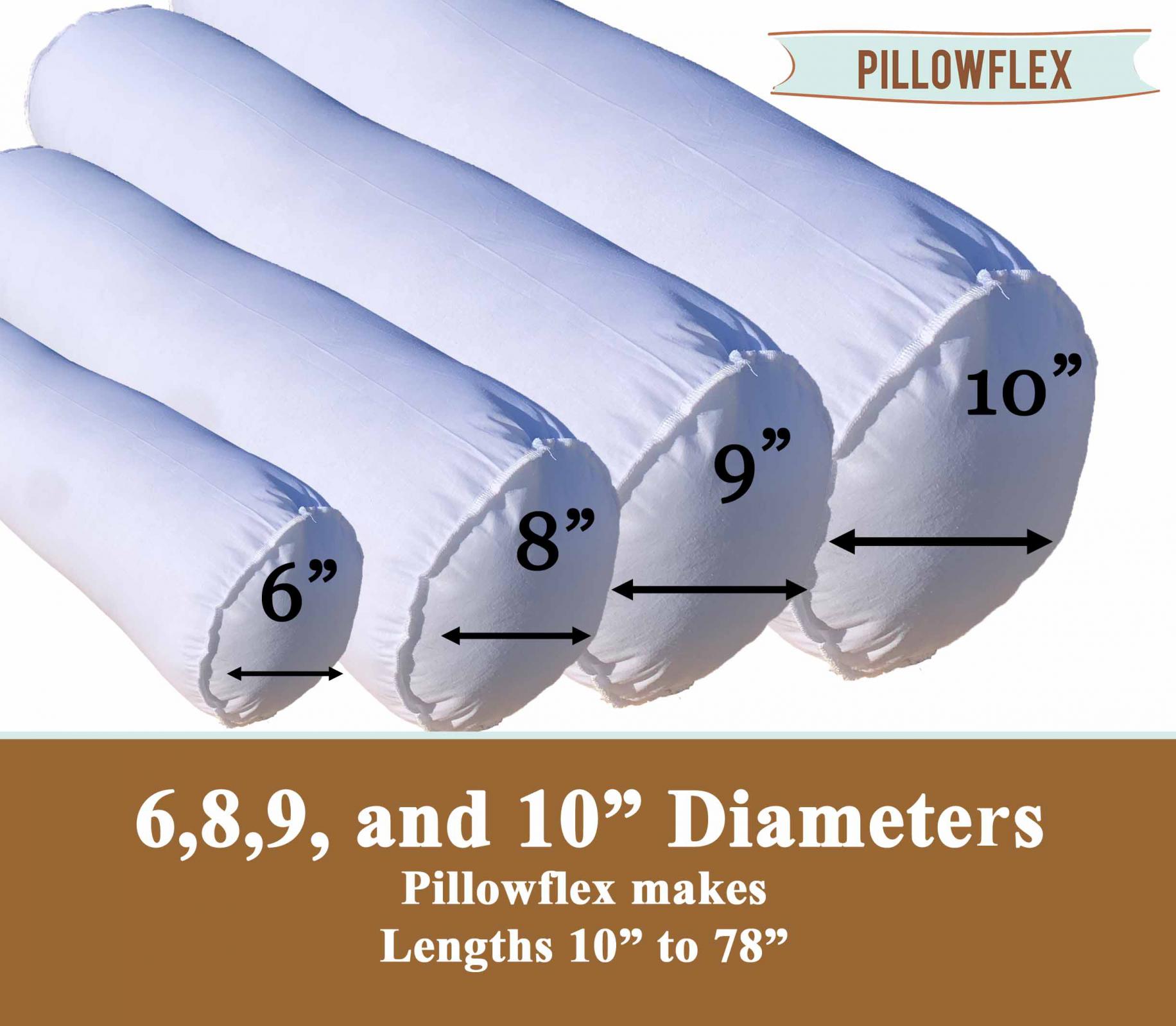
Length is not the only factor. Diameter affects both comfort and appearance.
6 to 8 Inches: Slim and Supportive
A 6 to 8 inch diameter is slim and functional, often used for targeted support.
- Common uses:
- Neck rolls for sleep or travel
- Lumbar support (16 to 18 inch length, 6 to 8 inch diameter)
- Accent bolsters in modern decor
- Best fillings: Memory foam for firm support, polyester for soft comfort
- Avoid for: Spanning full bed widths, as they are too thin to make an impact
Ideal if you need ergonomic help without a bulky pillow.
8 to 10 Inches: Standard Bedroom Diameter
This is the most common diameter for bed bolsters and represents a true bolster standard size for most households.
- Fits: Queen and King beds (paired with appropriate length)
- Feel: Full but not overstuffed, comfortable for hugging or back support
- Aesthetic: Balances elegance and proportion
- Popular in: Custom shams, hotel-style bedding, layered arrangements
If you are unsure, 9 inches is a safe middle ground. It is plush enough to look inviting yet firm enough to hold shape.
10 to 12 Inches: Bold and Luxurious
A 10 to 12 inch diameter creates a high-loft, luxurious look.
- Best for:
- King beds needing visual weight
- Statement decor in formal spaces
- Users who want maximum back support
- Filling recommendation: High-density foam or generously stuffed polyester
- Caution: May look oversized on small beds or low-profile furniture
This size makes a room feel more opulent but requires adequate bed width to avoid imbalance.
Filling Types That Affect Fit and Function
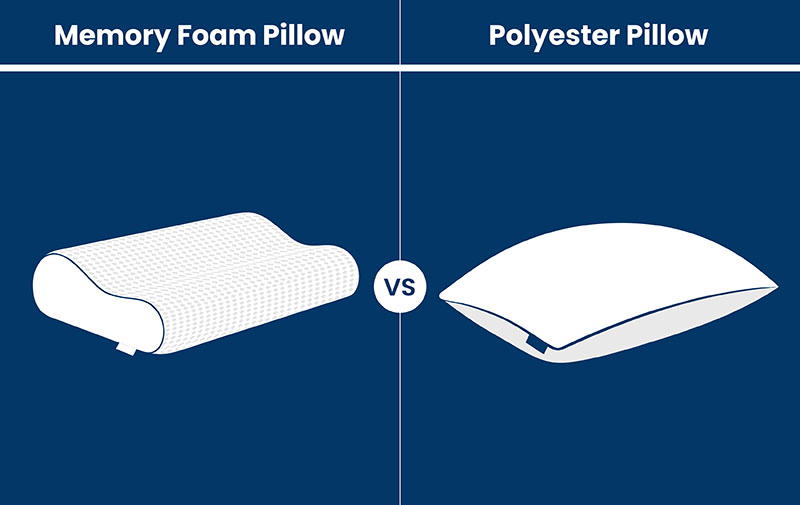
The filling determines how firm the bolster feels and whether it holds its shape, both critical for comfort and appearance.
Polyester Fiber: Soft and Affordable
Most standard bolster inserts use 4-denier polyester fiber, which is soft, lightweight, and lump-resistant.
- Pros:
- Mimics bed pillow feel
- Affordable and widely available
- Holds shape well over time
- Cons: Not firm enough for yoga or heavy support
- Best use: Decorative shams, light cuddling, kids rooms
- Care: Spot clean only; cover should be removable for washing
A popular choice for inserts, especially when paired with washable cotton or linen shams.
Memory Foam: Best for Therapeutic Use
Memory foam offers high support by contouring to body weight and heat.
- Support level: High
- Ideal for: Neck, lumbar, or leg support
- Durability: Excellent shape retention over years
- Drawback: Heavier and less breathable than fiber
Use memory foam when you need consistent pressure relief, especially for back pain or side sleeping.
Reticulated Foam: Required for Outdoor Use
Reticulated foam has an open-cell, porous structure that makes it suitable for outdoor settings.
- Structure: Open-cell, porous foam
- Benefits:
- Dries quickly
- Resists mildew and mold
- Lightweight
- Required pairing: Must be used with outdoor fabric such as Sunbrella
- Never use: Indoor foam outdoors, as it retains water and degrades
This is the only recommended foam for patio, poolside, or covered porch bolsters.
Conventional Foam: Indoor Use Only
Conventional foam comes in soft or medium density options.
- Types: Soft or medium density
- Feel: Plush (soft) or balanced (medium)
- Warning: Absorbs water; never expose to rain or moisture
- Best for: Indoor decorative pillows, light back support
If using conventional foam, bring the bolster indoors after use, even under a covered patio.
Custom Bolster Sizing Tips
Need a unique size? Custom bolsters offer flexibility but require attention to detail.
Most Popular Custom Size: 20 x 7 Inches
The 20 inch length by 7 inch diameter is the top custom request.
- Why it is popular:
- Fits small accent chairs
- Ideal for neck rolls or lumbar support
- Easy to store and move
- Common use: Layering in front of King or Queen bed pillows
Available in most fabric and filling combinations.
Lengths from 12 Inches to 12 Feet
Custom orders can range from 12 inches (mini accent) to 12 feet (bench or sectional spanning).
- Standard retail max: 60 to 72 inches
- For long benches: Order a 72+ inch bolster to cover the full seat
- For sectionals: Measure the back width and subtract 2 to 4 inches for a tailored fit
Always confirm seam placement and fabric direction with the manufacturer.
Diameter Options: 4 to 12 Inches
You can customize diameter in 1 inch increments from 4 to 12 inches.
- 4 to 5 inches: Very slim, used for children furniture or minimalist decor
- 6 to 8 inches: Standard neck or lumbar roll
- 9 to 12 inches: Full, luxurious body pillow feel
Specify if you want piping, as it adds approximately 1/4 inch to the diameter.
Construction Features That Matter
How a bolster is built affects durability, appearance, and maintenance.
Hidden Zipper: Essential for Easy Care
A high-quality bolster has an invisible (hidden) zipper.
- Benefits:
- Allows cover removal for cleaning
- Enables insert replacement or fluffing
- Clean, seamless look when closed
- Avoid: Sewn-shut bolsters, which cannot be cleaned or refreshed
This feature is standard in custom-made bolsters but often missing in cheap retail versions.
Piping Adds Thickness and Style
Piping (also called welting) is a fabric-covered cord along the edges.
- Adds: Approximately 1/4 inch to diameter
- Options:
- Match main fabric
- Contrast color for design pop
- No piping for minimalist look
- Cut: Bias-cut for smooth curves
Piping enhances durability and gives a tailored finish, especially on velvet or linen bolsters.
Fabric Direction: Avoid Visible Seams
Fabric direction (vertical or horizontal) affects how the bolster looks when placed.
- Warning: If the pattern does not align, you may see a visible seam on top
- Solution: Specify fabric orientation when ordering custom
- For stripes or plaids: Vertical grain ensures pattern runs end to end
This detail is crucial for high-end decor where precision matters.
Where to Use Bolsters: Function First
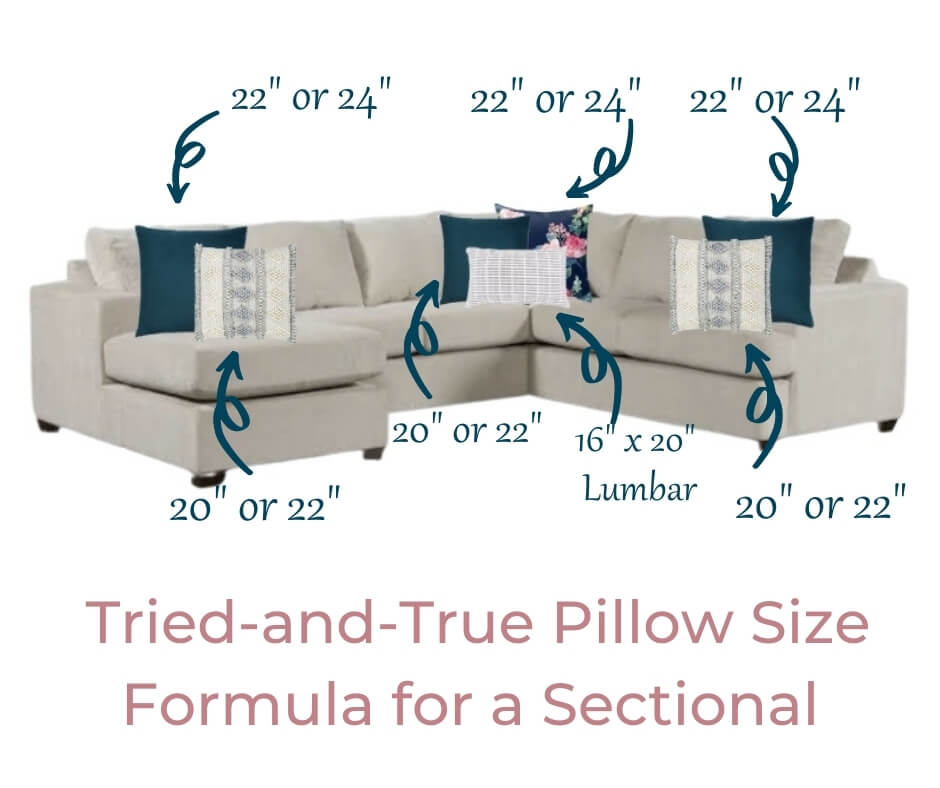
Choose size and filling based on where the bolster will live.
Bed Styling: Layer for Depth
On beds, bolsters anchor the pillow arrangement.
- King: 48 to 60 inches by 10 to 12 inches behind Euro shams
- Queen: 36 to 40 inches by 8 to 10 inches as base layer
- Tip: Use a slightly shorter bolster than the sham for easy insertion and a full look
Pair with two standard pillows in front for a 5-piece hotel-style layout.
Sofa and Daybed: Back Support
On seating, bolsters act as backrests.
- Standard sofa: 36 to 40 inch bolster behind throw pillows
- Oversized sectional: 48 to 72 inches to span the back
- Filling: Memory foam or medium-density foam for firm support
Avoid fiber fill if you plan to lean heavily, as it compresses too much.
Outdoor Use: Only With Reticulated Foam
Never use indoor bolsters outside, even with a covered patio.
- Required combo:
- Fabric: Sunbrella or solution-dyed acrylic
- Filling: Reticulated foam
- Why: Standard foam holds water and will mold
- Maintenance: Wipe down after use; store indoors during heavy rain
Even with outdoor fabric, the filling must be reticulated for true weather resistance.
Care and Maintenance by Filling Type
How you clean your bolster depends on the filling.
Spot Clean Only for Fiber and Foam
Most bolster inserts require spot cleaning only.
- Why: Immersion damages fiber clumping or causes foam to retain water
- Method: Blot spills with a damp cloth; use mild detergent if needed
- For covers: Remove via zipper and wash according to fabric (such as cold machine wash for cotton)
Never soak a polyester or foam insert.
Washable Covers Extend Bolster Life
A removable, washable cover extends the bolster lifespan.
- Best fabrics: Cotton, linen, polyester blends
- Delicate fabrics: Velvet or jacquard may require dry cleaning
- Tip: Keep a spare cover for easy swaps
This is especially important in homes with kids or pets.
Outdoor Bolster Care
Even weather-resistant bolsters need care.
- After rain: Wipe down and let air dry completely
- For stains: Use mild soap and hose off; avoid harsh cleaners
- Storage: Bring indoors during winter or extended wet periods
Proper care ensures 3 to 5 years of outdoor use.
Final Selection Checklist for Bolster Standard Size

Before buying, answer these questions to confirm you have the right bolster standard size.
What Is the Primary Purpose?
- Decorative? Focus on diameter and fabric
- Back support? Choose memory foam or medium-density foam
- Outdoor? Must have reticulated foam and Sunbrella fabric
What Is the Furniture Size?
- King bed: 48 to 60 inch length, 10 to 12 inch diameter
- Queen bed: 36 to 40 inch length, 8 to 10 inch diameter
- Sofa: Match to back width minus 2 to 4 inches
Do You Need a Custom Size?
- Popular custom: 20 inches by 7 inches for accents
- Max length: Up to 12 feet for benches
- Diameter options: 4 to 12 inches in 1 inch increments
Check Filling and Care Requirements
- Indoor: Polyester or memory foam
- Outdoor: Reticulated foam only
- Washable cover? Ensure it has a hidden zipper
Frequently Asked Questions About Bolster Standard Size
What Is the Most Common Bolster Standard Size for a Queen Bed?
The most common bolster standard size for a Queen bed is 36 to 40 inches long with an 8 to 10 inch diameter. This range complements the 60 inch width of a Queen mattress without overwhelming the sleeping space. It also works well for back support when sitting up to read or watch TV.
What Size Bolster Should I Use on a King Bed?
For a King bed (76 inches wide), use a minimum 48 inch bolster with a 10 to 12 inch diameter. This length prevents the pillow from looking lost on the large mattress surface. Some users prefer a 60 inch bolster for a bolder statement, though it may extend beyond the sleeping area.
Can I Use a Standard Bolster Outdoors?
No, standard bolsters with conventional foam or polyester filling cannot be used outdoors. These fillings absorb water and will develop mold. For outdoor use, you need a bolster filled with reticulated foam and covered in weather-resistant fabric like Sunbrella.
How Do I Match a Bolster Insert to a Sham?
Choose a bolster insert that is 1 to 2 inches shorter than the sham interior length for easy insertion. The diameter should match or slightly exceed the sham depth for a full, plump appearance. Always measure your sham before purchasing an insert to ensure a proper fit.
What Filling Is Best for Lumbar Support?
Memory foam is the best filling for lumbar support because it contours to your body weight and heat. It provides consistent pressure relief and retains its shape over years of use. Medium-density conventional foam is a good alternative if memory foam feels too firm.
Are Bolsters Good for Side Sleepers?
Yes, long bolsters (36+ inches) can be hugged while side sleeping to align shoulders and arms. For neck support, a small 20 inch bolster with a