

How to Clean a Japanese Futon
You love the simplicity of your Japanese bedding, but sweat and humidity can quickly make it feel damp and stale. Knowing how to clean a Japanese futon properly is essential because traditional cotton fills cannot survive a washing machine cycle.
This guide reveals the exact methods to freshen, disinfect, and maintain your mattress using only air, sunlight, and gentle spot cleaning. You will learn daily habits and weekly routines that prevent mold while keeping your sleep surface hygienic and fluffy.
Air Out Your Futon Daily to Stop Mold Growth
The most critical step in maintaining a Japanese futon is preventing moisture buildup before it becomes a problem. Your body releases sweat every night, and trapping this moisture inside the cotton filling creates a breeding ground for dust mites and mildew.
Open and Flatten Immediately After Waking
Do not fold your futon right after you get out of bed. Instead, unfold it completely and lay it flat on the floor or a rack for at least 30 minutes. This allows the accumulated heat and moisture from your body to evaporate into the air.
- Leave the futon uncovered during this time.
- Ensure air can circulate underneath the mattress.
- Avoid rolling it up while it still feels warm.
Pro Tip: Prop the futon vertically against a wall or use a dedicated hanger to maximize airflow on both sides simultaneously.
Maintain Room Ventilation
Opening windows or running a fan while your futon airs out significantly speeds up the drying process. If you live in a humid climate, running an air conditioner or dehumidifier helps keep indoor moisture levels low.
Even in winter, skipping this step can lead to cold, clammy sheets at night. Consistent airflow is your first line of defense against odors and fabric degradation.
Sun-Dry Weekly to Disinfect and Fluff Fibers

Sunlight acts as a natural disinfectant that kills bacteria and dust mites without damaging the cotton. This weekly ritual is the closest you can get to “washing” a traditional Japanese futon safely.
Hang Outside During Peak Sun Hours
Choose a dry day with strong sunlight, ideally between 10 a.m. and 2 p.m. Hang your futon outside for two to three hours to let the UV rays penetrate the fibers.
- Keep the removable cover on during this process to protect the outer fabric.
- The heat helps fluff the cotton, restoring loft and softness.
- Avoid drying on rainy or extremely humid days.
Flip and Rotate for Even Exposure
To ensure thorough drying, flip the futon halfway through the session. This ensures both sides receive equal exposure to the sun and airflow.
Rotate the top and bottom ends as well to prevent uneven wear over time. Your futon should feel lighter and warmer to the touch when fully dry. If it still feels heavy, extend the drying time.
Use a Futon Dryer for Indoor Care
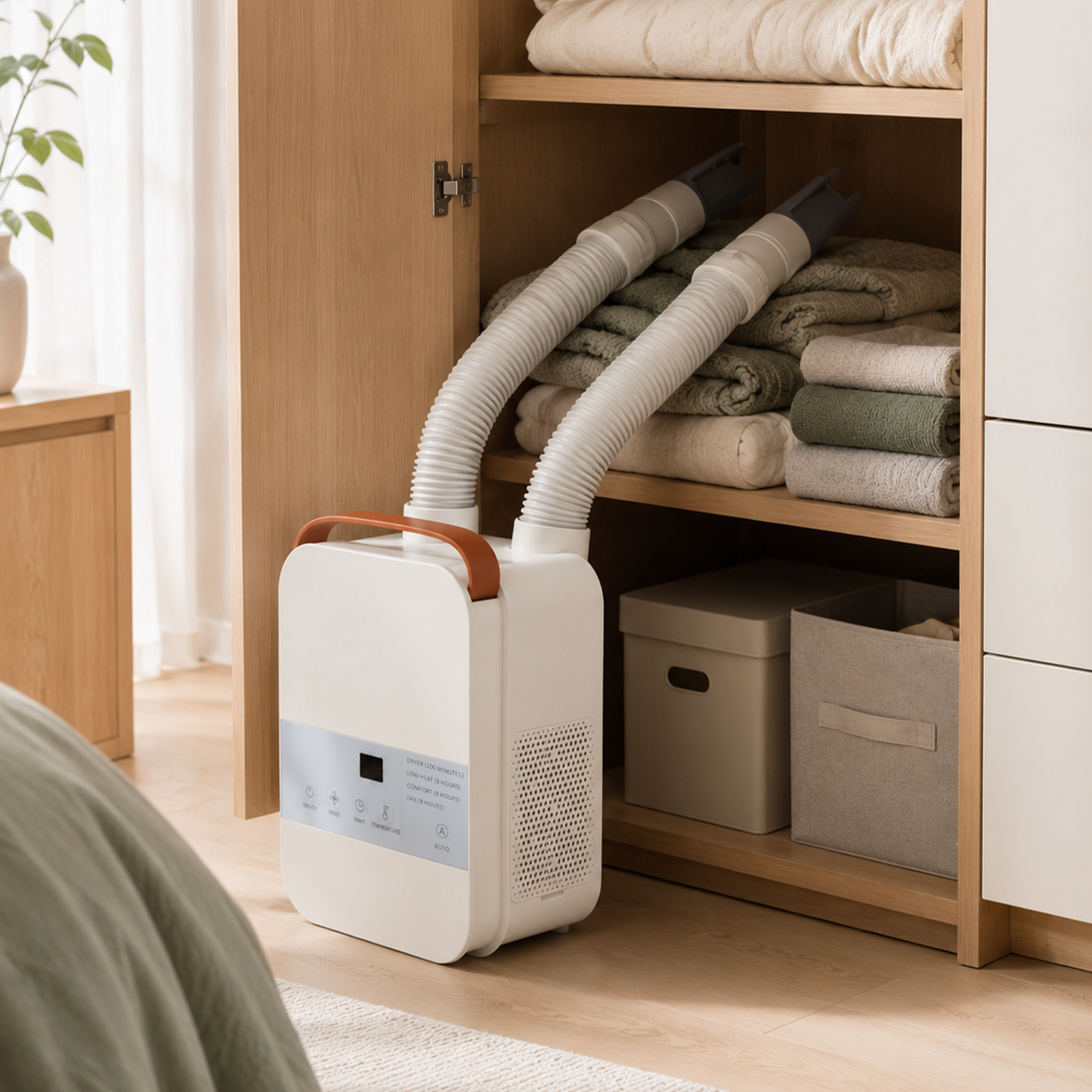
If you live in an apartment without balcony access or face bad weather, a futon dryer is an excellent alternative. These devices blow warm air directly into the mattress to mimic the effects of the sun.
- Run the dryer for one to two hours.
- Keep the room well-ventilated to prevent overheating.
- Never leave the device unattended while in operation.
Spot-Clean Stains Without Soaking the Cotton

Accidents happen, but you must never saturate a Japanese futon with water. Soaking the cotton filling causes it to clump and takes days to dry, often leading to irreversible mold growth inside the mattress.
Blot Spills Immediately
When a spill occurs, grab a clean, dry cloth and blot the area gently. Press down to absorb as much liquid as possible without rubbing, which pushes the stain deeper into the fibers.
For light stains like sweat marks, dab the spot with a slightly damp cloth containing mild soap. Wipe in small circles and dry the area thoroughly with a towel immediately after.
Warning: Never use bleach, steam cleaners, or excessive water on the cotton filling.
Deodorize with Baking Soda
If your futon develops a musty smell, sprinkle baking soda lightly over the surface. Let it sit for 30 to 60 minutes to absorb odors, then vacuum it up using an upholstery attachment.
This method removes smells without adding any moisture. You can add a drop of essential oil to the baking soda for a fresh scent before applying.
Wash the Cover Separately for Hygiene
The removable cover is your first line of defense against dirt, dead skin, and spills. Unlike the cotton mattress inside, the cover is designed to be washed regularly.
Launder the Cover Weekly
Remove the cover and wash it weekly in cold or warm water, following the label instructions. Use a mild detergent and avoid fabric softeners, which can coat the fibers and reduce breathability.
- Air-dry the cover to prevent shrinkage.
- Check for tears or loose seams before washing.
- Ensure the cover is completely dry before putting it back on the futon.
Select Breathable Materials
Choose covers made from natural fibers like cotton or linen. These materials allow air to pass through easily, helping the futon breathe and stay dry.
Avoid synthetic blends that trap heat and moisture against the cotton filling. A high-quality, zippered cover makes removal and cleaning much easier.
Store Properly to Prevent Long-Term Damage
How you store your futon when not in use determines its lifespan. Improper storage in damp or cramped spaces can ruin the cotton filling and encourage mildew growth.
Elevate Off the Floor
Always store your futon on a closet shelf or a dedicated rack rather than on the floor. Floors are colder and often damper, which encourages moisture absorption from the ground.
Place the futon at waist level or higher in a dry, ventilated closet. This keeps it safe from pests and ensures good air circulation around the entire mattress.
Avoid Humid Storage Areas
Never store your futon in a basement, bathroom, or laundry room. These areas typically have high humidity levels that lead to fabric breakdown and mildew.
If you smell mildew, air the futon immediately and inspect it for dark spots. Early detection is key to saving the mattress.
Use Breathable Storage Bags
If you need to compress the futon for storage, use a cotton or mesh bag. Plastic bags trap moisture and guarantee mold growth.
Alternatively, fold the futon loosely and cover it with a clean sheet. This protects it from dust while allowing air to move through the fibers.
Adapt Care for Humid Climates
Living in hot and humid regions like Singapore, Thailand, or Florida requires extra attention to moisture control. High humidity accelerates dampness buildup, making regular care even more critical.
Increase Airing Frequency
In tropical climates, air your futon twice daily if possible. Morning and evening airing sessions help combat the constant moisture in the air.
Pair this habit with a dehumidifier or air conditioning to keep indoor humidity below 60%. This prevents the cotton from absorbing excess water from the air.
Dry More Frequently During Rainy Seasons
During monsoon seasons or prolonged rainy periods, aim to sun-dry or use a futon dryer every three to four days. This prevents deep dampness that is difficult to remove later.
If the sun is not available, rely on your futon dryer or a strong fan for two to three hours to keep the interior dry.
Use Specialized Tools for Easy Maintenance
Investing in the right tools simplifies the care process and extends the life of your bedding. These items are designed specifically for the unique needs of Japanese futons.
Invest in a Futon Hanger

A futon hanger is a lightweight frame that holds your mattress vertically. This is perfect for balconies, patios, or living rooms where floor space is limited.
- Promotes even airflow on both sides.
- Foldable design saves space when not in use.
- Fits most standard futon sizes.
Utilize a Futon Dryer Regularly
A futon dryer is not just for warmth; it is a vital cleaning tool. Use it two to three times a week to dry internal moisture and refresh the filling.
Run it for 30 minutes before bed to warm the futon and improve comfort. It effectively reduces dust mite growth and restores loft.
Know When to Replace Your Futon
Even with perfect care, a Japanese futon has a limited lifespan. Knowing when to replace it ensures you continue to sleep comfortably and hygienically.
Recognize Signs of Wear
A high-quality futon typically lasts three to five years with proper maintenance. Look for these signs that it is time for a new one:
- Permanent indentations or lumps in the cotton.
- A musty smell that persists after cleaning.
- Visible mold or tears in the fabric.
- Loss of support causing back pain.
Dispose Responsibly
If your futon is still clean, consider donating it. Otherwise, check for local textile recycling programs that accept cotton bedding.
Avoid throwing it in the trash if possible, as cotton is biodegradable but takes up significant landfill space.
Frequently Asked Questions About Cleaning Japanese Futons
Can I put my Japanese futon in the washing machine?
No, never machine-wash a traditional Japanese futon. The 100% cotton filling will clump, lose its loft, and take days to dry, often leading to mold growth inside the mattress.
How often should I sun-dry my futon?
You should sun-dry your futon once a week for two to three hours. In humid climates or during rainy seasons, increase this to every three or four days to prevent moisture buildup.
What is the best way to remove odors from a futon?
Sprinkle baking soda lightly over the surface, let it sit for an hour, and then vacuum it thoroughly. This absorbs odors without adding moisture to the cotton filling.
Can I use a steam cleaner on my futon?
No, do not use steam cleaners. The intense moisture from steam can soak into the cotton, causing it to clump and creating an environment for mold and mildew.
How do I dry my futon if I live in an apartment?
Use a dedicated futon dryer that blows warm air into the mattress. Alternatively, hang it in a well-ventilated room with a fan or dehumidifier running.
What should I do if my futon gets wet?
Blot the area immediately with a dry cloth to absorb liquid. Then, air dry the spot thoroughly using a fan or futon dryer. Never saturate the cotton with water.
Key Takeaways for Maintaining a Clean Japanese Futon
Cleaning a Japanese futon requires a shift from washing to airing and sun-drying. By avoiding water on the cotton filling and relying on UV light and airflow, you keep your mattress hygienic and fluffy for years.
Start a routine of daily airing and weekly sun exposure to prevent mold and odors effectively. Invest in a futon hanger or dryer to make this process easier, especially if you live in an apartment or humid climate.